Animals shape nearly every aspect of life on Earth. They live in oceans, forests, deserts, mountains, and even urban environments. Studying animals is not just about observing interesting behaviors. It helps us understand ecosystems, solve medical challenges, and reflect on our place in the natural world. Animals are incredibly diverse, ranging from microscopic organisms to massive mammals, yet they all share core biological characteristics like movement, reproduction, and a need for nourishment.
The study of animals remains essential for ecology, conservation, and understanding how life adapts to environmental pressures. Whether examining familiar pets or wildlife in remote habitats, each species tells a story about evolution, survival, and coexistence.
The Concept of Animal Diversity
Animal diversity refers to the wide variety of animal species that exist across different regions and environments. There are more than a million known species, yet scientists estimate there may be several million more that have not yet been identified. This diversity results from adaptation to unique ecological conditions.
Major Classifications of Animals
Scientists classify animals based on physical characteristics, reproductive methods, and evolutionary origins. The following are primary groups of animals found worldwide:
Mammals
Mammals are warm-blooded, produce milk for their young, and typically have hair or fur. They are known for advanced brain development, which allows complex behavior and social organization.
Examples:
- Whales
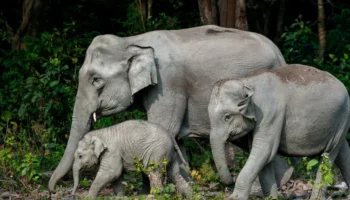
- Elephants
- Lions
- Humans
Birds
Birds possess feathers, lay eggs with hard shells, and exhibit remarkable adaptations for flight, though not all birds fly.
Examples:
- Eagles with keen vision for hunting
- Penguins adapted for swimming rather than flying
- Parrots capable of vocal mimicry
Reptiles
Reptiles have scales and lay soft or shelled eggs. Many are cold-blooded, allowing them to thrive in harsh, dry environments.
Examples:
- Snakes
- Turtles
- Crocodiles
- Lizards
Amphibians
Amphibians undergo metamorphosis, often starting life in water and later transitioning to land.
Examples:
- Frogs
- Salamanders
- Toads
Fish
Fish are aquatic animals with gills that allow them to breathe underwater. They can be found in oceans, rivers, and freshwater lakes.
Examples:
- Sharks
- Trout
- Clownfish
Invertebrates
These animals lack a backbone and represent the largest animal group.
Examples:
- Insects
- Worms
- Jellyfish
- Octopuses
The Role of Animals in Ecosystems
Animals play essential roles in maintaining ecological balance. Without them, many natural processes would collapse.
Key Ecological Contributions
- Pollination: Bees, butterflies, and some birds help plants reproduce.
- Seed Dispersal: Birds and mammals help plants spread to new areas.
- Predator-Prey Balance: Predators keep populations from growing too large.
- Soil Creation and Aeration: Earthworms break down organic matter and help water and oxygen reach plant roots.
Food Chain and Food Webs
Animals form intricate food webs, where each organism depends on others for survival. Removing one species can disrupt the balance and cause population shifts that harm ecosystems.
Animal Intelligence and Emotional Capacity
Animals demonstrate memory, communication, creativity, and emotional expression. Researchers have documented remarkable cognitive abilities in multiple species.
Examples of Animal Intelligence
- Dolphins use vocal patterns to identify themselves and form alliances.
- Crows and ravens solve complex problems and make tools.
- Elephants remember water sources even after many years.
- Octopuses escape traps and display curiosity in unfamiliar environments.
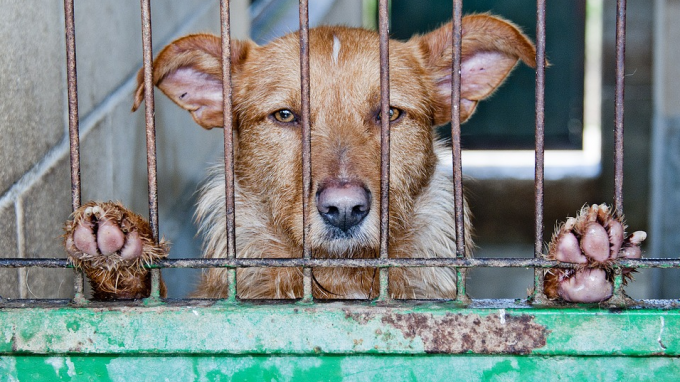
Studies also reveal emotional capacities like empathy, attachment, and grief. Elephants mourn their dead, dogs form deep social bonds, and primates console one another after conflict.
Adaptation and Survival Strategies
Animals survive by adapting to their environment. Adaptation can involve changes in body structure, behavior, or reproductive strategies.
Physical Adaptations
- Camouflage helps animals blend into surroundings (e.g., chameleons).
- Insulating fur or blubber allows survival in cold climates (e.g., polar bears).
- Specialized beaks help birds access food sources unique to their habitat.
Behavioral Adaptations
- Birds migrate to avoid harsh winters.
- Wolves hunt in coordinated packs to improve success rates.
- Desert animals are active mainly at night to conserve water.
Reproductive Adaptations
- Sea turtles lay many eggs to increase survival rate.
- Kangaroos carry young in pouches for protection.
- Some fish can change sex based on population needs.
Human and Animal Interactions
Humans interact with animals daily, often benefiting from these relationships. However, human activities also create challenges for wildlife through pollution, habitat destruction, and climate change.
Positive Roles of Animals in Human Life
- Companionship and emotional support
- Agriculture and food production
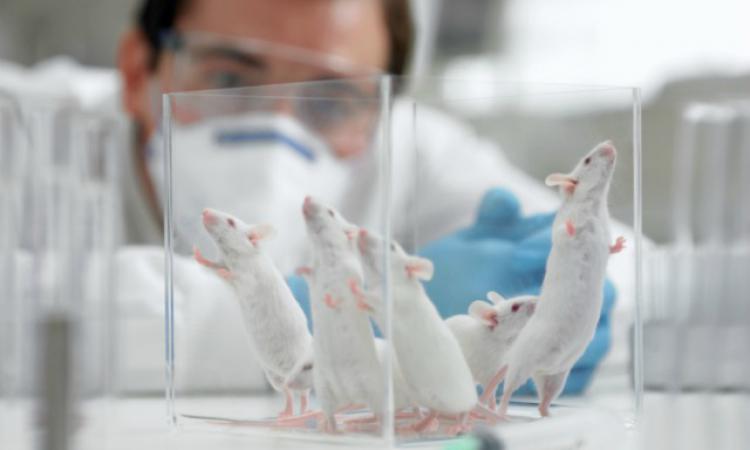
- Scientific research and medical advancements
- Cultural symbolism and inspiration
Challenges Facing Animals Today
- Loss of natural habitats due to urban expansion
- Hunting and illegal wildlife trade
- Plastic pollution affecting marine species
- Climate change altering migration and breeding patterns
Conservation efforts focus on preserving ecosystems, enforcing wildlife protection laws, and educating communities about sustainable coexistence.
Animals in Modern Science and Technology
Animals contribute to scientific breakthroughs in medicine, agriculture, and environmental research. Understanding animal biology helps researchers develop new treatments, including vaccines and surgical techniques.
For example:
- Horseshoe crab blood has been essential in detecting bacterial contamination in vaccines.
- Studying bats helped researchers understand echolocation technology.
- Bees inspired models of efficient distributed networks.
These scientific contributions highlight the deep connection between animal life and human progress.
Frequently Asked Questions
Why are some animals endangered?
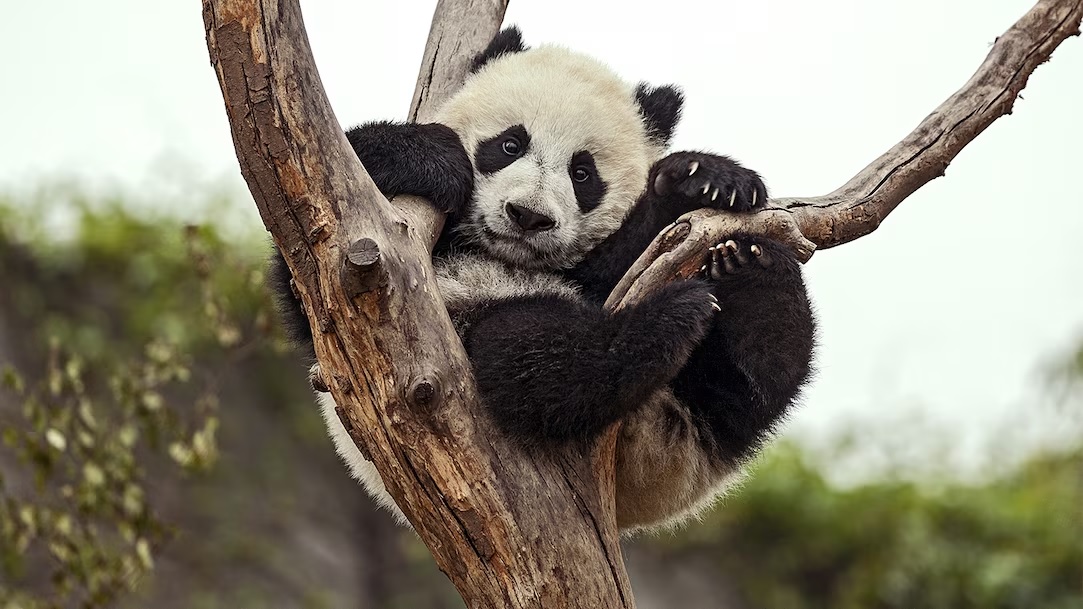
Animals become endangered due to habitat loss, climate change, pollution, and illegal hunting. When their environment is destroyed or altered, they lose access to food, shelter, and breeding spaces. Conservation programs aim to restore habitats and protect vulnerable species from further decline.
How do scientists discover new animal species?
Scientists conduct field research, often in remote regions such as rainforests or deep ocean environments. They use DNA analysis and physical examination to confirm whether an organism represents a new species. Many species remain undiscovered due to the difficulty of exploring deep oceans and dense forests.
Can animals communicate with humans?
Some animals can communicate through sound, gestures, and learned behavior. Dogs respond to tone and body language, parrots mimic speech, and dolphins understand certain structured signals. While full language communication is not possible, many species demonstrate strong comprehension and emotional awareness.
What is the importance of protecting animal habitats?
Protecting habitats ensures species survival, preserves biodiversity, and maintains healthy ecosystems. When habitats remain undisturbed, animals can live, feed, and reproduce naturally. Healthy ecosystems also benefit humans by regulating climate, purifying water, and supporting agriculture.
How do animals adapt to climate change?
Animals respond to climate change by shifting migration patterns, altering breeding times, or relocating to cooler environments. Some species adjust behavior, while others evolve physical traits over generations. However, rapid climate change often outpaces natural adaptation, placing many animals at risk.
Animals represent one of the most captivating and essential parts of life on Earth. Their diversity, intelligence, and roles in natural systems reflect the complexity of the planet we share. Understanding and protecting animals is not only a moral responsibility but also a practical necessity for ecological balance and future sustainability.