
close

Animals

Animals

The Veterinary Field: Ensuring Animal Health, Welfare, and Environmental Balance

The veterinary field plays a crucial role in public health, agriculture, animal care, and environmental sustainability. People often associate veterinary work only with treating sick pets, but the scope is far broader. Veterinary professionals support livestock health, safeguard food systems, monitor wildlife populations, prevent disease outbreaks, and conduct scientific research that benefits both animals and humans. Understanding how this field functions provides deeper appreciation for the systems that maintain animal well-being and preserve global health stability.

Veterinary medicine is built upon science, empathy, and responsibility. Animals cannot describe their symptoms or pain, so veterinarians rely on observation, diagnostic tools, behavioral analysis, and professional judgment. The field requires extensive education, consistent learning, and skill development to address diverse medical challenges.

The Core Purpose of Veterinary Medicine

Veterinary medicine focuses on protecting, treating, and improving the health of animals. This includes physical illness, behavioral health, injury recovery, disease prevention, and overall quality of life. Veterinarians work to ensure that animals receive proper care, whether those animals are pets, livestock, wildlife, or service animals.

Key Functions of Veterinary Medicine

  • Diagnose and treat diseases and injuries
  • Prevent illnesses through vaccinations and preventive care
  • Promote proper nutrition and welfare standards
  • Perform surgeries and medical procedures when necessary
  • Monitor infectious disease patterns to protect both animals and humans

Veterinary professionals serve as advocates for animals who cannot advocate for themselves.

Branches of Veterinary Practice

Veterinary medicine includes multiple specialties and forms of practice. Each area addresses distinct needs and populations.

Companion Animal Veterinary Care

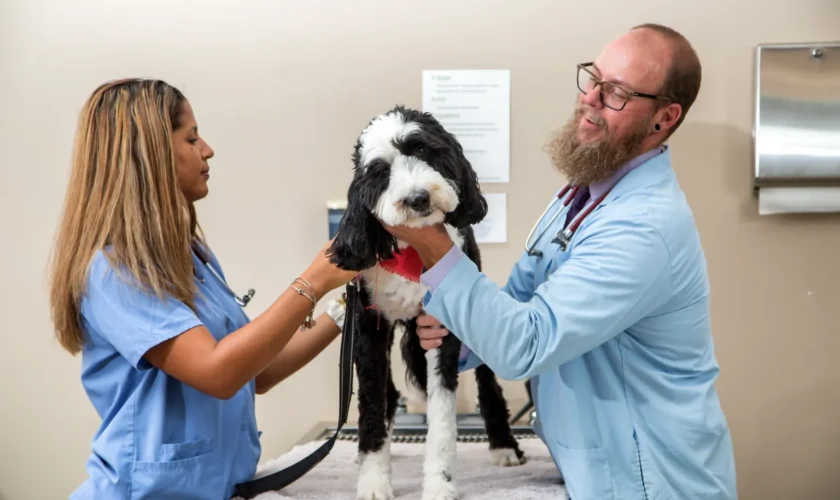
This is the most widely recognized branch, providing medical services to pets such as dogs, cats, birds, reptiles, and small mammals. These veterinarians work in clinics, animal hospitals, and mobile care units.

Common services include:

  • Annual wellness exams
  • Vaccination schedules
  • Dental cleanings
  • Parasite prevention
  • Emergency treatment

Large Animal and Livestock Veterinary Care

Livestock veterinarians focus on animals raised for food production, including cattle, pigs, goats, and poultry. Their work supports agricultural systems and food safety.

Key responsibilities:

  • Monitoring herd health
  • Treating injuries and illnesses in farm animals
  • Supporting breeding programs
  • Ensuring humane living conditions
  • Preventing disease spread among livestock populations

Wildlife and Conservation Veterinary Medicine

Wildlife veterinarians work with free-ranging animals and protected species, supporting biodiversity and environmental balance.

Their work may involve:

  • Treating injured wildlife
  • Monitoring population health trends
  • Conducting field research
  • Supporting relocation or rehabilitation programs
  • Advising environmental conservation policies

Research and Laboratory Veterinary Science

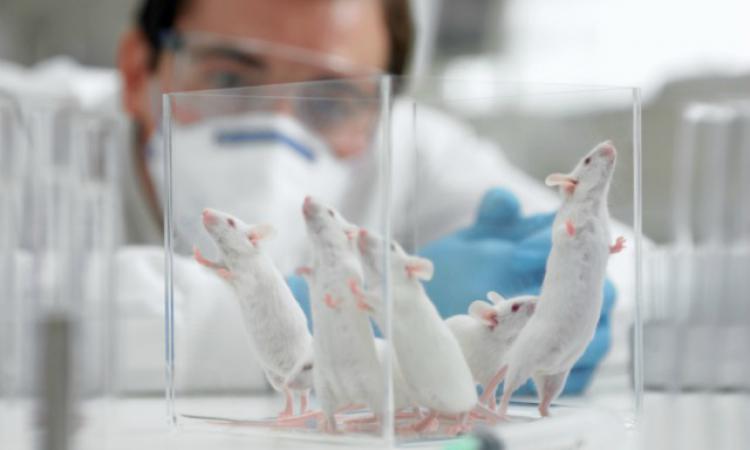
Some veterinarians do not work directly with animals but instead conduct studies that contribute to improved medical practices, pharmaceuticals, food safety, or disease prevention research.

Equine Veterinary Care

Equine veterinarians specialize in horse care, working with sport horses, ranch horses, therapy animals, and personal companions.

Veterinary Diagnostics and Medical Tools

Veterinary diagnostics have advanced significantly in recent decades. The same level of technology used in human medical care is now available to animals.

Common diagnostic tools include:

  • X-rays to identify bone and joint problems
  • Ultrasound for reproductive and organ health evaluations
  • Blood analysis to detect infection or disease
  • Fecal exams to diagnose parasites
  • Genetic testing for inherited conditions

These tools help veterinarians make accurate, evidence-based medical decisions.

Preventative Veterinary Care

Preventative care reduces long-term health risks and avoids unnecessary suffering. Preventative veterinary approaches focus on early detection, routine maintenance, and lifestyle recommendations.

Essential Components of Preventative Care

  • Vaccinations protect against common and severe diseases.
  • Parasite control prevents ticks, fleas, and internal parasites that can damage organs or transmit illnesses.
  • Nutrition consultation ensures that each animal receives proper dietary support.
  • Routine dental care prevents tooth decay, gum disease, and systemic infections.

Preventative care often leads to lower veterinary expenses over time by avoiding emergency interventions.

Animal Behavior and Mental Wellness

Veterinary professionals increasingly recognize the importance of emotional and behavioral health. Stress or anxiety can affect appetite, immune response, and social interactions.

Examples of behavioral concerns:

  • Separation anxiety in dogs
  • Aggression in overcrowded environments
  • Stress in newly adopted animals
  • Repetitive grooming behaviors in cats

Veterinarians collaborate with behavior specialists and trainers to support rehabilitation and coping strategies.

Veterinary Surgery and Advanced Medical Treatment

Veterinary medicine includes surgical and specialist treatment options similar to human healthcare.

Common procedures include:

  • Spaying and neutering
  • Orthopedic surgeries for joint injuries
  • Tumor removal
  • Dental extractions
  • Emergency trauma surgery

Specialists may also provide:

  • Oncology treatments for cancer
  • Dermatology for skin disorders
  • Cardiology for heart conditions
  • Neurology for brain and spine concerns

Advanced care supports longer, healthier animal lives.

The Relationship Between Veterinary Medicine and Public Health

Veterinary professionals play a major role in preventing disease transmission from animals to humans. These diseases, known as zoonotic diseases, can spread rapidly if not monitored.

Examples of zoonotic diseases:

  • Rabies
  • Lyme disease
  • Avian influenza
  • Salmonella transmitted from contaminated food sources

Veterinary oversight safeguards the food supply chain, decreasing outbreak risks and maintaining community health stability.

Ethical Responsibilities in Veterinary Practice

Veterinarians must balance medical knowledge, animal welfare, and client expectations. Ethical challenges may arise in situations where treatment is possible but costly, or when an animal’s quality of life is declining.

Ethical principles include:

  • Providing honest medical guidance
  • Prioritizing the animal’s welfare
  • Respecting client decisions while offering compassionate education
  • Avoiding unnecessary medical procedures

Strong communication skills are essential in managing these moments with empathy.

Choosing the Right Veterinary Professional

Selecting a veterinarian is a meaningful decision that influences an animal’s long-term health.

Key qualities to look for:

  • Clear communication and willingness to answer questions
  • Gentle and patient handling of animals
  • Clean facility and well-organized procedures
  • Experience with your specific animal type or breed

A positive relationship between pet owner and veterinary provider supports better care outcomes.

Frequently Asked Questions

How often should animals see a veterinarian?

Most pets should visit the veterinarian at least once a year for wellness exams. Older animals, young animals, or those with chronic conditions may require more frequent visits.

Can veterinarians help with pet behavior problems?

Yes. Many veterinarians provide behavioral assessments or work alongside certified animal behavior specialists to address issues such as fear, aggression, or anxiety.

Why is dental care important for animals?

Dental disease can lead to pain, infection, difficulty eating, and bacteria spreading to vital organs. Routine dental cleanings and at-home care help prevent major health problems.

What should I do during a veterinary emergency?

Remain calm and transport the animal to the nearest emergency veterinary clinic. Keep a list of emergency locations accessible for quick response.

How do veterinarians impact food safety?

Veterinarians monitor livestock health, ensure sanitary handling conditions, and conduct screenings for diseases that could enter the human food supply.
read more
Animals

The Fascinating World of Animals: Diversity, Intelligence, and Adaptation

Animals shape nearly every aspect of life on Earth. They live in oceans, forests, deserts, mountains, and even urban environments. Studying animals is not just about observing interesting behaviors. It helps us understand ecosystems, solve medical challenges, and reflect on our place in the natural world. Animals are incredibly diverse, ranging from microscopic organisms to massive mammals, yet they all share core biological characteristics like movement, reproduction, and a need for nourishment.

The study of animals remains essential for ecology, conservation, and understanding how life adapts to environmental pressures. Whether examining familiar pets or wildlife in remote habitats, each species tells a story about evolution, survival, and coexistence.

The Concept of Animal Diversity

Animal diversity refers to the wide variety of animal species that exist across different regions and environments. There are more than a million known species, yet scientists estimate there may be several million more that have not yet been identified. This diversity results from adaptation to unique ecological conditions.

Major Classifications of Animals

Scientists classify animals based on physical characteristics, reproductive methods, and evolutionary origins. The following are primary groups of animals found worldwide:

Mammals

Mammals are warm-blooded, produce milk for their young, and typically have hair or fur. They are known for advanced brain development, which allows complex behavior and social organization.

Examples:

  • Whales
  • Elephants
  • Lions
  • Humans

Birds

Birds possess feathers, lay eggs with hard shells, and exhibit remarkable adaptations for flight, though not all birds fly.

Examples:

  • Eagles with keen vision for hunting
  • Penguins adapted for swimming rather than flying
  • Parrots capable of vocal mimicry

Reptiles

Reptiles have scales and lay soft or shelled eggs. Many are cold-blooded, allowing them to thrive in harsh, dry environments.

Examples:

  • Snakes
  • Turtles
  • Crocodiles
  • Lizards

Amphibians

Amphibians undergo metamorphosis, often starting life in water and later transitioning to land.

Examples:

  • Frogs
  • Salamanders
  • Toads

Fish

Fish are aquatic animals with gills that allow them to breathe underwater. They can be found in oceans, rivers, and freshwater lakes.

Examples:

  • Sharks
  • Trout
  • Clownfish

Invertebrates

These animals lack a backbone and represent the largest animal group.

Examples:

  • Insects
  • Worms
  • Jellyfish
  • Octopuses

The Role of Animals in Ecosystems

Animals play essential roles in maintaining ecological balance. Without them, many natural processes would collapse.

Key Ecological Contributions

  • Pollination: Bees, butterflies, and some birds help plants reproduce.
  • Seed Dispersal: Birds and mammals help plants spread to new areas.
  • Predator-Prey Balance: Predators keep populations from growing too large.
  • Soil Creation and Aeration: Earthworms break down organic matter and help water and oxygen reach plant roots.

Food Chain and Food Webs

Animals form intricate food webs, where each organism depends on others for survival. Removing one species can disrupt the balance and cause population shifts that harm ecosystems.

Animal Intelligence and Emotional Capacity

Animals demonstrate memory, communication, creativity, and emotional expression. Researchers have documented remarkable cognitive abilities in multiple species.

Examples of Animal Intelligence

  • Dolphins use vocal patterns to identify themselves and form alliances.
  • Crows and ravens solve complex problems and make tools.
  • Elephants remember water sources even after many years.
  • Octopuses escape traps and display curiosity in unfamiliar environments.

Studies also reveal emotional capacities like empathy, attachment, and grief. Elephants mourn their dead, dogs form deep social bonds, and primates console one another after conflict.

Adaptation and Survival Strategies

Animals survive by adapting to their environment. Adaptation can involve changes in body structure, behavior, or reproductive strategies.

Physical Adaptations

  • Camouflage helps animals blend into surroundings (e.g., chameleons).
  • Insulating fur or blubber allows survival in cold climates (e.g., polar bears).
  • Specialized beaks help birds access food sources unique to their habitat.

Behavioral Adaptations

  • Birds migrate to avoid harsh winters.
  • Wolves hunt in coordinated packs to improve success rates.
  • Desert animals are active mainly at night to conserve water.

Reproductive Adaptations

  • Sea turtles lay many eggs to increase survival rate.
  • Kangaroos carry young in pouches for protection.
  • Some fish can change sex based on population needs.

Human and Animal Interactions

Humans interact with animals daily, often benefiting from these relationships. However, human activities also create challenges for wildlife through pollution, habitat destruction, and climate change.

Positive Roles of Animals in Human Life

  • Companionship and emotional support
  • Agriculture and food production
  • Scientific research and medical advancements
  • Cultural symbolism and inspiration

Challenges Facing Animals Today

  • Loss of natural habitats due to urban expansion
  • Hunting and illegal wildlife trade
  • Plastic pollution affecting marine species
  • Climate change altering migration and breeding patterns

Conservation efforts focus on preserving ecosystems, enforcing wildlife protection laws, and educating communities about sustainable coexistence.

Animals in Modern Science and Technology

Animals contribute to scientific breakthroughs in medicine, agriculture, and environmental research. Understanding animal biology helps researchers develop new treatments, including vaccines and surgical techniques.

For example:

  • Horseshoe crab blood has been essential in detecting bacterial contamination in vaccines.
  • Studying bats helped researchers understand echolocation technology.
  • Bees inspired models of efficient distributed networks.

These scientific contributions highlight the deep connection between animal life and human progress.

Frequently Asked Questions

Why are some animals endangered?

Animals become endangered due to habitat loss, climate change, pollution, and illegal hunting. When their environment is destroyed or altered, they lose access to food, shelter, and breeding spaces. Conservation programs aim to restore habitats and protect vulnerable species from further decline.

How do scientists discover new animal species?

Scientists conduct field research, often in remote regions such as rainforests or deep ocean environments. They use DNA analysis and physical examination to confirm whether an organism represents a new species. Many species remain undiscovered due to the difficulty of exploring deep oceans and dense forests.

Can animals communicate with humans?

Some animals can communicate through sound, gestures, and learned behavior. Dogs respond to tone and body language, parrots mimic speech, and dolphins understand certain structured signals. While full language communication is not possible, many species demonstrate strong comprehension and emotional awareness.

What is the importance of protecting animal habitats?

Protecting habitats ensures species survival, preserves biodiversity, and maintains healthy ecosystems. When habitats remain undisturbed, animals can live, feed, and reproduce naturally. Healthy ecosystems also benefit humans by regulating climate, purifying water, and supporting agriculture.

How do animals adapt to climate change?

Animals respond to climate change by shifting migration patterns, altering breeding times, or relocating to cooler environments. Some species adjust behavior, while others evolve physical traits over generations. However, rapid climate change often outpaces natural adaptation, placing many animals at risk.

Animals represent one of the most captivating and essential parts of life on Earth. Their diversity, intelligence, and roles in natural systems reflect the complexity of the planet we share. Understanding and protecting animals is not only a moral responsibility but also a practical necessity for ecological balance and future sustainability.

read more
Animals

The Five Basic Needs of Animals

These needs are recognized in animal welfare science as essential for physical health and emotional well-being. They apply to all animals, whether pets, livestock, working animals, or wildlife in rehabilitation care.

1. Need for a Suitable Environment

Animals must live in surroundings that support their natural comfort and safety.
This includes:

  • Clean, dry, and temperature-appropriate shelter
  • Safe flooring or bedding that prevents injury
  • Lighting that matches daily rhythms
  • Access to shade and weather protection outdoors
  • Removal of hazards such as sharp objects or toxic plants

A suitable environment reduces stress, prevents illness, and allows rest, movement, and normal daily activity.

2. Need for a Proper Diet (Food and Water)

Adequate nutrition is essential for growth, immune strength, and energy. Animals require:

  • Fresh, clean drinking water at all times
  • Balanced meals based on species, age, and activity level
  • Portion control to prevent obesity or malnutrition
  • Feeding routines that maintain digestive health
  • Proper storage of food to avoid mold and contamination

Feeding should respect natural eating behaviors, such as grazing for cows or hunting play for cats.

3. Need to Exhibit Natural Behaviors

Animals thrive when they can express instinctive patterns of behavior. Preventing natural behavior can lead to frustration, anxiety, or aggression.

Examples:

  • Dogs need walks, sniffing exploration, and social play.
  • Cats require scratching posts, climbing space, and hunting-style play.
  • Chickens need space to scratch, dust-bathe, and forage.
  • Horses need turnout time to graze and move freely.

Providing enrichment (toys, exercise, interaction) helps satisfy these needs.

4. Need for Social Interaction (or Solitude, Depending on Species)

Social needs vary between species:

  • Herd animals like horses and cows require companionship.
  • Dogs form strong social bonds and need interaction.
  • Cats are more flexible, but still need affection and secure social contact.
  • Some reptiles and small mammals prefer solitude and stress when overcrowded.

Understanding the natural social structure of each species prevents anxiety, loneliness, and dominance-related problems.

5. Need to Be Protected From Pain, Injury, and Disease

Health care is a critical aspect of animal welfare. This involves:

  • Veterinary checkups and vaccinations
  • Parasite control (fleas, ticks, worms)
  • Safe exercise routines to prevent injuries
  • Grooming to prevent skin and coat problems
  • Immediate care when signs of illness appear

Prevention is always easier, cheaper, and kinder than treatment after suffering begins.

Why These Needs Matter

When all five needs are met, animals:

  • Live longer
  • Exhibit positive behavior
  • Form stronger bonds with caregivers
  • Remain mentally and physically healthy

Neglecting even one of these needs can lead to stress, disease, aggression, and emotional distress.

read more
Animals

Should I File a Compensation Claim for an Animal Attack?

In the UK, dog attacks are fairly common. In fact, between May 2010 and 2011, 6120 individuals were admitted to hospitals for dog attack-related injuries. While many dog attacks are preventable, most attacks are due to negligence on the part of the dog owner. If you have sustained injuries from a dog attack, you may be entitled to compensation.

There are many reasons you should receive compensation. If you sustained an injury, you likely had medical bills, had to take time off work, and more. Even when a dog bite or injury is small, it’s important to visit a medical centre, because animals have many harmful bacteria that thrive in their mouths. If your loved one or child has sustained an attack, you’re not alone. One in six attacks involves a child under 10, which is concerning.

Dog bites are classified as a personal injury. While dogs like rottweiler and pit bulls are frequently the dog bite cases we hear about in the media, all breeds and sizes of dog can attack and cause serious physical injury. However, based on the Dangerous Dogs Act 1991, pit bull terriers, Japanese tosas, dogo argentinos, and fila brazilieros are considered more dangerous than other breeds.

In order to receive compensation, you’ll need to prove that the owner of the dog that attacked you knew or should have known about how aggressive and dangerous their dog is, and how it was liable for the attack. Your case will be strengthened if you have knowledge about instances of past aggression exhibited by the dog in question.

If you are a victim of a dog attack and the owner cannot be found, you can still file for compensation. You’ll be able to file under Criminal Injuries Compensation Authority (CICA), as the unknown owner should have kept the dog under proper control.

When you file with the right compensation solicitors, you won’t face any fees if you don’t win. So, moving ahead with a filing is a win-win situation for you. Below are a few of the reasons you should file for compensation. Dog-related attacks and injuries can be upsetting, painful, and costly, and you deserve compensation for what happened to you. It is also important to file in order to have the dog correctly assessed so it doesn’t harm other individuals in the future.

Medical Bills

Medical bills can be high, especially for emergency visits for situations and injuries, such as dog bites. You should receive compensation for any medical-related costs for dog bites from dogs that you do not own.

Time off Work

You may have had to miss or take time off work for your injury. The cost of your lost wages can also be offset with potential compensation.

Emotional Distress

Dog attacks can leave you with emotional scarring from the traumatic event, especially in the case of severe dog attacks. You can receive compensation for the emotional toll the attack may have caused you.

Responsibility

If you decide to file a case, the dog in question can be brought in to be assessed. If the dog is found to be aggressive, the correct measures can be put into place to ensure that the dog doesn’t attack any other individuals in your community.

read more
Animals

Animal Addiction: Hoarding

When the majority of us consider addictions, pets and creatures generally most likely don’t come to mind. That being stated, animal hoarding is a kind of addiction that may have serious health ramifications for the creatures but for the person that’s collecting them and looking to look after them.

Unlike some issues involving creatures and potential neglect, animal hoarding is not considered animal cruelty partly due to there being no malicious intent. The hoarder has the very best of intentions if you take in any creatures – they visited provide them with a house and take care of them to ensure that both animal and they may be enriched because of it. The outcomes, however, are poor it doesn’t matter what the intentions.

Within the U . s . States, most states do not have specific laws and regulations about hoarding creatures, though many will have laws and regulations about the number of creatures a family group is permitted to possess in various areas, with apartments, single homes, and farms all getting different rules they need to follow. Where most areas draw the road happens when the creatures either violate the amount permitted per household they’ve put down or, should there be no rule about the amount of creatures a house might have, when linked with emotions . pose threat towards the creatures, the house, or both.

Although it might appear just like a noble idea to take numerous creatures looking for a great home, animal hoarding frequently results in several dangerous effects for the creatures and also the person hoarding them. For that creatures issues like malnourishment, neglect, and overcrowding might have both immediate and lasting effects around the creatures, be responsible for most of them getting to become euthanized when they’re finally taken off the house.

For anyone in the home where creatures are now being hoarded, the sanitation and health problems could be even worse when it comes to creatures. Animal hoarders aren’t always as diligent about clearing up following the creatures as regular pet proprietors could be, be responsible for feces along with other garbage connected with creatures mounting up in places that the folks may eat, sleep, and make preparations food, causing numerous health problems, including dying. Rabies particularly is a problem connected with animal hoarding as creatures which are drawn in aren’t always domestic and therefore are frequently strays which come towards the home with illnesses they’re never treated for.

While getting a lot of pets might appear like something some people want, animal hoarding is really a serious issue and knowing somebody that’s struggling with it it’s essential to get both them and also the creatures the assistance they require as rapidly as you possibly can. Taking care of creatures is a superb responsibility and also the rewards are terrific, but hoarding creatures will the creatures no favors and puts you in danger of both health insurance and legalities.

read more
Animals

Animal Testing as well as your Cosmetics!

When cruising lower the cosmetics aisle from the store searching for mascara, lipsticks, concealer, or products, animal tests arae not often point of interest on most shoppers. However, the fact is that discover studying products carefully, you may be buying products developed by using animal testing and unknowingly supporting cruelty to creatures. If the concerns you, then continue reading for additional essential details about animal testing as well as your cosmetics.

Animal testing has existed for years and years. Actually, the U.S. Fda (Food and drug administration) even mandates that all drugs should be tested on creatures before they get the FDA’s stamp of approval. What purpose does animal testing of the product serve? Animal tests are usually accustomed to make certain that any method is safe for human use. Products which may be potential eye or skin irritants, in addition to products which may be dangerous if ingested or inhaled, are checked for his or her impact on animal test subjects. These answers are then extrapolated to humans.

Using animal subjects is medical testing for existence-saving vaccines is a factor, but using creatures to check cosmetics is very another. For just one factor, no regulatory agency really requires animal testing to become completed to release the makeup product. For an additional, makeup isn’t necessary to human health insurance and well-being as medicines are. That’s the reason the brilliant debate surrounding animal testing mostly concentrates on the cosmetics industry.

The sad part is the fact that many shoppers who’re completely in opposition to animal testing are really supporting it with the cosmetic makeup products they buy. A few of their favorite brands might even research their goods by using creatures in dishonest ways behind closed doorways. Although it is altering, testing on creatures is often the norm for cosmetics – therefore if the label does not clearly say “cruelty free” or “no animal testing,” most likely creatures happen to be utilized in experiments. In recent decades, many cosmetic companies came under extreme scrutiny and faced more pressure than normal to prevent testing on creatures, and also have reacted accordingly by stopping that type of research.

If you wish to avoid supporting this type of crude utilization of creatures in experiments, you will want to begin at this time by dealing with your medicine cabinet and studying labels of your preferred cosmetic and skincare products. All items that avoid using creatures in testing will be dilligent about saying the like their label. When they use creatures, then stop with them and call the organization to inform them why. There are lots of alternative cosmetic companies that do not test their goods on creatures, so there is no need to continue supporting a business who.

Cosmetics manufacturers are difficult-pressed: animal legal rights groups are pressuring these to stop testing on creatures, but manufacturers should also deliver safe products for human use. Various ways of testing goods are rapidly becoming available as more emphasis is defined on finding avenues of non-animal testing.

It’s not necessary to be considered a celebrity or donate all of your money or time for an animal legal rights charitable organization to make a positive change. Your voice could be heard simply by joining others lots of people that won’t buy cosmetics developed with animal testing. Make use of your purchasing power being an informed consumer to transmit a obvious message to makeup manufacturers: more options to testing with creatures are essential. As more manufacturers are seeing their profits go lower as a result of animal testing, they’re knowning that finding non-animal experimentation avenues result in better profits. Ensure that you are carrying out a simple rule next time you purchase makeup – don’t buy something that tests on creatures if you won’t want to support such cruel and dishonest ways!

read more
Animals

What Do You Know About Animals?

Greater than a million . 5 types of animal happen to be described, there millions more to date to become described. Creatures live microorganisms present in literally all the Earth’s habitats, such as the deep oceans, the freezing Arctic, as well as within other creatures and plants.

Your pet kingdom is split up into creatures without backbones (invertebrates) including lobsters and snails, and creatures which do have backbones (vertebrates), creatures like apes and zebras. Invertebrates make 97 percent of animal species.

What’s a pet?

Creatures comprise many cells. Nearly all these cells move about, and those which have fixed positions, or sedentary, slowly move the animal’s actual parts of the body. Creatures survive by fetching food to their physiques. They their very own nervous and sensors systems that assist them to observe what’s happening around them and react appropriately.

The classification of creatures

Creatures they fit into groupings according to evidential similarities and when they have been ancestral similarities. You will find Thirty-five big groups known as phyla (singular phylum). Each phylum is shared into small groups. Minimal could well be the species, containing creatures composed of just one type.

Flatworms

These worms (phylum Platyhelminthes) possess a body that’s flattened with one opening, its mouth, that is around the bottom. You will find presently over 18 1000 species including individuals, for example tapeworms, which are parasites of people along with other creatures inside the kingdom.

Nematodes

They’re roundworms, or nematodes (phylum Nematoda), there is a thin, round body that’s pointed in the finish on sides. You will find your nematodes in lots of habitats and live in large figures within the earth’s soil. Nematodes are parasites of some creatures and plants.

Sponges, what exactly are they?

The creatures perceived probably the most fundamental are sponges (phylum Porifera). There are approximately 5,000 species many of them live in the ocean mounted on rocks along with other things. Water is drawn in through holes, or pores, within the sponge’s body wall, and items of food are filtered out and eaten through the sponge’s cells.

What exactly are cnidarians?

Today there’s a recorded 9 1000 types of cnidarians (phylum Cnidaria), many of them reside in the ocean. They include jellyfish, ocean anemones, hydras, and corals. Cnidarians catch food for his or her physiques utilizing their armed tentacles that have stinging threads, known as nematocysts.

read more
Animals

Animal Control – When You Really Need Specialist Help

Any wild animal is definitely an unwelcome guest inside your ho use or residence. They are able to leave foul odors, cause you to uncomfortable, wake you in the center of the night time and humiliate you before visitors. Wild creatures in your living area may also cause significant health problems. Creatures carry sundry illnesses like rabies which could just be broadcast with a single bite. Sicknesses could be broadcast when humans ignorantly breathe or consume animal urine or crap. Rodents along with other little creatures will also be regularly carriers of transmittable bugs. An amount of animal pee could make contributions towards the development of mold, that could be the reason for considerable respiration illness. Life may also cause serious damage to property. Infrequently animal infestations lead straight to other infestations.

This really is because of the undeniable fact that creatures carry many insects like ticks mites and fleas. Loads of animal populations can introduce these bugs to your house. There have been installments of unwished life biting into electric wires and causing fires. For that mentioned reasons for those who have creatures in the home where youngsters are there you have to call a pet control consultant immediately.

For those who have wild creatures present in your house, it may be challenging set up a plan. Ignoring the problem could doubtlessly lead right to an outrageous creature invasion of scriptural proportions. Among the first considerations to do is make an effort to establish where they’ re entering your home. Many creatures decide to make nests in attics basements walls and crawlspaces. Creatures frequently go into the home through aircon vents or holes within the walls. Frequently creatures use near by trees to leap or climb onto homes.

They are able to then go into the home through chimneys or other opening. It’s not tendered that you simply try to kill undesired creatures in your area yourself with poison. Even though the poison works you will simply have rotting animal carcasses hidden using your place. The very best factor you should do is call a pet control pro. You might customarily hear peculiar noises or see animal crap before you decide to begin to see the wild creatures themselves. Should you hear noises within your house that you simply believe to become creatures you will need to call a pet control expert. Don’t make efforts to manage nature creatures on your own. Injuries received inside a confrontation with wild creatures often leads the way in which onto illnesses or any other health problems. Creatures travel in packs. If you notice one animal, then probably you will find others hiding somewhere. Don’t presume that the animal problem will depart. Probably the most hideous factor you should do is nothing. The best factor you should do is call a pet control specialist instantly. Wonderful types of animal infestations is visible on television show known as plagued which plays around the animal planet satellite television network. Watching the encounters of others can present you with an idea from the gravity of the present position. A few of the creatures recognized to frequently invade homes are raccoons bats possums rats and snakes. Creatures like possums or snakes are hazardous and cannot be treated trivially. If you notice snakes or possums in your area, call a pet control expert quickly.

read more
Animals

A terrific way to Help Animals in Need

“Never doubt that the select few of thoughtful committed citizens can alter the planet. Indeed, it’s the only factor that ever has” – Margaret Mead

There are various and useful organisations that really help creatures in need of assistance all over the world.

All the organisations pointed out within our guide work tirelessly to assist creatures in need of assistance. To attain their aims, they depend on voluntary help. Some welcome volunteers who are able to only spare a couple of hrs for tasks for example walking dogs for a couple of days throughout their holiday abroad. Other organisations should you prefer a long term commitment having a specific project – this kind of volunteering may appeal more to individuals on the gap year.

Whatever your talent or period of time available for you to provide, there are lots of creatures who’ll benefit greatly out of your offer of volunteering. The possibilities within this guide are great and various. They include monitoring wild dolphins, feeding baby wolves, nursing sick creatures, your cat houseboat sanctuary, assisting with wildlife recovery and release, taking care of hurt creatures, walking dogs, grooming donkeys, transporting creatures for re-homing abroad, taking care of orphaned fox cubs, coming back stray creatures for their colonies after neutering, monitoring turtles and providing distressed creatures some love and attention.

Before we begin, here is a story to assist keep you going while you attempt your trip like a volunteer helping creatures – it is the Original Starfish Story present in Star Thrower: “Eventually a guy was walking across the beach as he observed a boy picking something up and lightly tossing it in to the sea. Approaching the boy, he requested, ‘What are you currently doing?’ The youth responded, ‘Throwing starfish into the sea. The surf expires and also the tide goes out. Basically don’t throw it well, they’ll die.’ ‘ Boy,’ the person stated, ‘don’t you understand you will find mile after mile of beach and countless starfish? You cannot really make a difference!A After listening nicely, the boy bent lower, selected up another starfish, and put it into the surf. Then, smiling in the man, he stated…’I designed a difference for your one.'” – naturalist and author, Loren Eiseley

Volunteering is a terrific way to obtain on the job experience along with a better understanding of the numerous different career options available to individuals wishing to utilize creatures. Regardless if you are a college leaver, seeking a job change, or are puzzled by whether working inside the animal welfare sector is perfect for you, then voluntary jobs are a terrific way to discover.

Simultaneously as providing you with the tremendous satisfaction of helping creatures in need of assistance, your volunteer work may also be a great new career. The knowledge will allow you to achieve experience of the particular kind of pet care that you simply desire to operate in.

For a lot of employers, volunteer experience, interest, aptitude and commitment could be more essential than initial entry qualifications. Competition for pet care vacancies is difficult. You should be outfitted with as numerous related skills as you possibly can when seeking employment. Through volunteering, you’ll acquire many additional skills that may help you when trying to get jobs or course placements.

It is best for anybody wanting to utilize creatures, from would-be veterinary surgeons to pet care assistants, to complete some kind of voluntary work before starting their selected career.

If you want a job change, volunteering is frequently a very good way of landing your ideal job, because it is common for volunteers to become offered permanent positions. By enrolling like a volunteer you will get a far greater and invaluable knowledge of the job involved.

read more