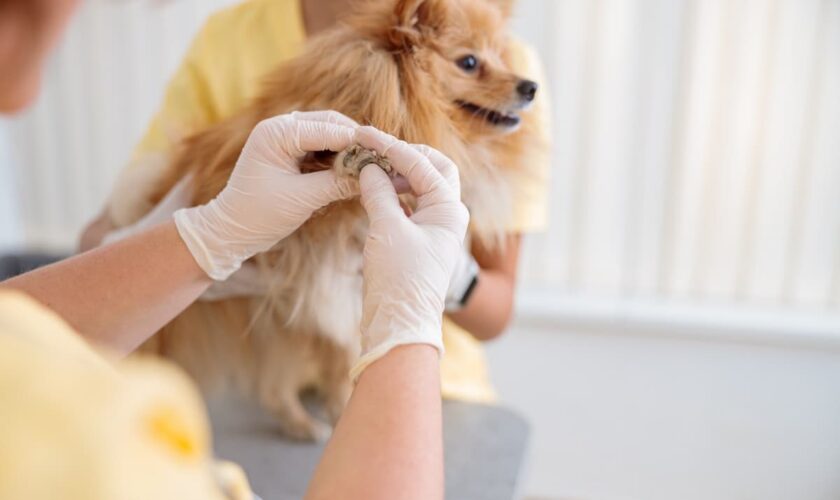

close

September 2025

Pet

The Deep Connection Between Humans and Their Pets

A pet holds a unique place in a household. For many people, a pet is not just an animal that lives with them but a companion that provides emotional support, comfort, and daily joy. The relationship between a person and a pet can influence mental health, family dynamics, and lifestyle habits. Understanding how to care for a pet properly is essential for both the pet’s well-being and the lasting bond shared with its owner. The concept of having a pet has existed for thousands of years, evolving from early domestication to the wide range of species kept today.

The Role of Pets in Everyday Life

Pets influence many aspects of daily routines and emotional wellness. They offer companionship and can help create structure in daily schedules through feeding, exercise, and regular caretaking. Studies show that spending time with animals may lower stress levels, reduce anxiety, and promote feelings of happiness. Pets provide a sense of responsibility and nurture, especially for children who learn empathy and compassion through caring for another living being.

People often choose a pet that matches their lifestyle. Individuals who enjoy outdoor activities may prefer dogs due to their exercise needs, while those who favor calm indoor environments might choose cats, fish, or smaller animals. The key is understanding the needs of the animal and making sure they align with available time, space, and financial resources.

Types of Pets and Their Unique Needs

Different pets require different levels of care, attention, and environmental conditions. Selecting the right pet requires thoughtful consideration of how well an individual or family can meet the animal’s needs.

Dogs

Dogs are highly social animals known for their loyalty and intelligence. They thrive on companionship, daily exercise, and mental stimulation. Without these elements, dogs can develop stress behaviors such as barking, chewing, or separation anxiety.

Important considerations for dog ownership:

  • Adequate exercise based on breed energy level
  • Training to promote positive behavior
  • Regular veterinary visits and vaccinations
  • Grooming and hygiene maintenance

Cats

Cats are independent yet affectionate animals that form strong bonds with their owners. They require less hands-on involvement than dogs but still need enrichment and attention.

Key care elements:

  • Access to scratching posts to support natural behavior
  • Safe indoor environment to prevent injury or illness
  • Clean litter box and regular feeding schedule
  • Play routines to encourage activity and mental engagement

Small Mammals

Hamsters, guinea pigs, rabbits, and ferrets are popular for individuals seeking smaller pets. Each of these species has specific housing and dietary needs.

Typical requirements:

  • Proper cage size and ventilation
  • Safe bedding without harmful chemicals
  • Fresh water and species-specific nutrition
  • Daily interaction and handling to maintain trust

Birds

Birds are intelligent, sensitive animals that require mental stimulation and social interaction. Some birds form deep emotional attachments to their owners and need companionship to avoid loneliness.

Essential care requirements:

  • Spacious cage with room for wing movement
  • Toys and foraging materials for enrichment
  • Balanced diet beyond just seeds
  • Time outside the cage for exercise

Fish

Fish are peaceful pets that bring calm to the home environment. However, their care requires attention to water quality and tank management.

Key considerations:

  • Correct tank size for the species
  • Filtration system to maintain clean water
  • Water temperature and pH regulation
  • Appropriate feeding schedules

Choosing the Right Pet for Your Lifestyle

Choosing a pet is a long-term commitment. Each type of animal comes with unique needs for time, energy, space, and financial investment. Before selecting a pet, individuals should evaluate their daily routines, work schedules, home environment, and personal preferences.

Questions to consider:

  • Do you have enough time daily for interaction and exercise?
  • Is your home environment suitable for noise, shedding, or large enclosures?
  • Are you prepared for ongoing expenses like food, veterinary care, and supplies?
  • Are you looking for a highly interactive companion or a more independent pet?

Matching a pet to lifestyle ensures a healthy relationship and prevents common problems such as rehoming or behavioral issues caused by neglect.

The Emotional Benefits of Having a Pet

Pets provide emotional support in ways that are profound and meaningful. Interacting with animals can trigger the release of oxytocin, a hormone associated with bonding and affection. This physiological response explains why spending time with pets creates comfort and relaxation.

Key emotional benefits:

  • Reduced stress and anxiety
  • Increased feelings of comfort and security
  • Encouragement of physical activity through play or walks
  • Enhanced social interaction, especially in public settings

Pets also help people cope with feelings of loneliness. For elderly individuals or those living alone, pets can provide companionship and a reason to stay active.

Physical Health Benefits of Pet Ownership

Pets encourage healthier lifestyles. Daily walks with dogs improve cardiovascular health and maintain joint mobility. Caring for a pet promotes routine, which can support better sleep patterns and meal consistency.

Health advantages associated with pet ownership include:

  • Lower blood pressure
  • Improved mood and emotional resilience
  • Increased physical movement
  • Strengthened immune response through environmental exposure

Owning a pet often leads to better emotional awareness because caretakers must observe their pet’s behavior and needs regularly.

Proper Care and Responsibility

Being responsible for a pet involves more than feeding and cleaning. It requires long-term dedication to health, happiness, and emotional support.

Core responsibilities:

  • Scheduling regular veterinary check-ups
  • Providing enrichment and mental stimulation
  • Offering affection and social interaction
  • Maintaining a clean and healthy living environment

Neglect or lack of attention can lead to behavioral problems, health diseases, and emotional stress in animals. Responsible pet care ensures that the relationship remains positive for both the pet and the owner.

Training and Behavior Development

Training shapes how a pet interacts with its household environment. Positive reinforcement training encourages desired behaviors through praise, treats, and gentle guidance.

Effective training principles:

  • Consistency in commands and expectations
  • Reward-based reinforcement instead of punishment
  • Patience and repetition to build habits
  • Understanding species-specific behavior patterns

Pets learn best in calm environments with clear communication. Harsh training methods can damage trust and lead to fear-based behaviors.

The Social Impact of Pet Ownership

Pets often bring people together. Dog parks, pet-friendly community events, and online groups provide opportunities for connection among pet owners. Children who grow up with pets often show improved empathy and stronger communication skills.

Pets also play roles in:

  • Therapeutic environments such as hospitals or counseling centers
  • Education programs to teach responsibility and emotional development
  • Community bonding through shared experiences

Frequently Asked Questions

How can I tell if my pet is happy?

A happy pet displays relaxed body posture, healthy appetite, and playful or affectionate behavior. Changes in behavior such as hiding, aggression, or loss of interest may indicate stress and should be evaluated.

What is the best way to introduce a new pet to a home?

Introduce the pet slowly by allowing them to explore one area at a time. Keep interactions calm and provide familiar scents or bedding. Avoid overwhelming the pet with too many new experiences at once.

How often should a pet see a veterinarian?

Most pets benefit from an annual wellness visit. However, young, elderly, or medically complex pets may require more frequent check-ups to monitor their health.

How can I help my pet adjust to being alone during the day?

Gradually increase the time the pet spends alone. Provide toys or enrichment items, ensure proper exercise before leaving, and maintain a predictable schedule to build comfort.

What should I consider before adopting a pet from a shelter?

Consider the pet’s history, temperament, and any special needs. Ask questions about behavior and medical care. Make sure you can commit to providing a stable, loving environment.

A pet is not just an addition to a household but a meaningful presence that influences emotional well-being, daily habits, and personal growth. By understanding the needs of different species and committing to responsible care, anyone can build a strong and lasting bond with their pet that enriches both lives in deep and lasting ways.

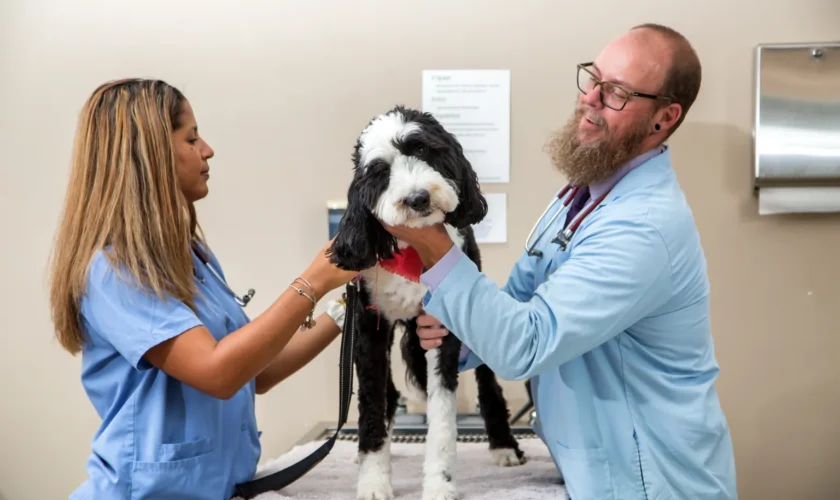
read more
Pet Care

Comprehensive Pet Care: Building a Healthy and Supportive Environment for Your Companion

Caring for a pet is a long-term commitment that requires knowledge, patience, and consistency. The relationship between a pet and its owner can significantly influence physical and emotional well-being on both sides. Practicing proper Pet Care ensures that animals receive the nutrition, exercise, enrichment, and emotional support they need to thrive. Whether caring for a dog, cat, bird, reptile, or small mammal, understanding their needs and behaviors leads to a happier and healthier life.

Pets rely on their owners for safety, structure, and comfort. Caring for a pet goes beyond providing food and shelter. It requires attention to health, training, environment, and communication. By learning how to support your pet’s needs, you create a nurturing bond that strengthens over time.

Understanding the Physical Needs of Pets

Every pet has basic physical needs that must be met consistently. These needs vary depending on species, breed, size, and age. The foundation of good care starts with nutrition, hydration, exercise, grooming, and medical oversight.

Proper Nutrition for Pets

Feeding a pet well is one of the most important aspects of care. Animals require balanced diets that meet their species-specific nutritional needs. Improper feeding can lead to obesity, nutrient deficiencies, digestive issues, and chronic diseases.

Key nutritional considerations:

  • Dogs benefit from balanced proteins, moderate fats, and carbohydrates for energy.
  • Cats require a diet rich in animal protein since they are obligate carnivores.
  • Birds need a mix of seeds, pellets, fruits, and vegetables to avoid nutrient deficiencies.
  • Small mammals such as rabbits require hay as a primary food source to maintain digestive function.

Fresh water should always be available. Hydration affects vital organ function and energy levels.

Exercise and Physical Activity

Exercise supports cardiovascular health, muscle strength, digestion, and mental stimulation. A lack of exercise can lead to weight gain, boredom, and behavioral issues.

Types of exercise:

  • Dogs need daily walks, play sessions, and activity-based training.
  • Cats benefit from climbing structures, toys, and interactive play.
  • Birds require flight time or supervised stretching outside their cages.
  • Small mammals need space to run, explore, and burrow.

Exercise should be matched with the pet’s age and physical ability. Overexertion can be just as harmful as inactivity.

Grooming and Hygiene

Grooming keeps pets comfortable and prevents health complications. Hygiene needs vary greatly among species and breeds.

Examples of grooming tasks:

  • Brushing fur reduces shedding and prevents matting.
  • Bathing removes dirt, allergens, and parasites.
  • Nail trimming prevents overgrowth that can cause pain or injury.
  • Ear cleaning reduces the risk of infection.

Reptiles, fish, and amphibians require clean tanks and carefully regulated water temperatures and filtration for health maintenance.

Veterinary Care and Preventative Health

Pets should see a veterinarian regularly for check-ups. Preventative care can detect diseases before they become serious.

Key components of veterinary care:

  • Yearly wellness exams
  • Vaccinations to prevent contagious diseases
  • Flea, tick, and parasite prevention
  • Dental cleanings to prevent gum disease and infection

Older pets may require more frequent medical supervision to manage joint pain, digestive changes, or chronic conditions.

Understanding the Emotional Needs of Pets

Animals have emotional and social needs that are just as important as physical ones. Ignoring emotional health can lead to anxiety, fear, aggression, or withdrawal.

Social Interaction and Bonding

Most pets require social contact for emotional well-being. Socialization helps pets build confidence and reduces stress.

Ways to build healthy social relationships:

  • Spend daily time interacting with your pet.
  • Offer gentle touch, play, or quiet companionship.
  • Introduce new environments and experiences slowly.

Pets often mirror the emotional tone of the household. Calm consistency builds trust.

Mental Stimulation and Enrichment

Mental stimulation keeps pets alert, engaged, and less prone to destructive behavior. Without enrichment, pets may experience boredom.

Examples of enrichment activities:

  • Puzzle feeders and treat-dispensing toys
  • Training sessions to teach new behaviors
  • Interactive games like hide-and-seek
  • Climbing, digging, or foraging opportunities based on species

Enrichment supports neurological development and emotional resilience.

Comfort and Safe Space

Pets need a space where they feel secure. Safe spaces help reduce anxiety during stressful situations such as storms or visitors.

A comfortable safe space should include:

  • Soft bedding
  • Familiar toys
  • Low noise and low foot traffic
  • Temperature-controlled environment

This area should be available at all times and not used as punishment.

Training and Behavioral Understanding

Training shapes how pets interact with their environment and helps prevent misunderstandings between pet and owner.

Positive Reinforcement Training

Reward-based training encourages pets to repeat desirable behaviors. Positive reinforcement builds trust and reduces fear.

Key elements:

  • Consistency in commands and cues
  • Rewards such as treats, praise, or affection
  • Patience and repetition over time

Avoid punishment-based methods, as they damage trust and increase anxiety.

Understanding Species-Specific Behavior

Understanding natural behaviors prevents misinterpretation.

Examples:

  • Cats scratch to mark territory and stretch muscles, so scratching posts are essential.
  • Dogs chew to relieve stress or boredom, so durable chew toys are necessary.
  • Birds vocalize and express emotion through sound patterns.
  • Rabbits dig and need safe digging areas.

Supporting natural behaviors is crucial to good welfare.

Creating an Ideal Living Environment

A pet’s environment influences their physical and emotional health. Environments should be clean, engaging, and safe.

Household Safety

Identify and remove potential hazards:

  • Toxic plants
  • Electrical cords
  • Unsafe cleaning chemicals
  • Open windows and high surfaces for certain species

Space and Comfort

Pets need space appropriate to their size and activity level. Cages, tanks, or enclosures must meet minimum size requirements and allow movement.

Routine and Structure

Routine reduces stress. Consistent feeding times, sleep patterns, and play schedules support security.

Financial Responsibility in Pet Ownership

Owning a pet involves recurring expenses. Understanding these costs helps avoid financial strain and ensures proper care.

Typical costs include:

  • Food and treats
  • Veterinary visits and emergency care
  • Grooming supplies
  • Bedding, toys, and enrichment materials

Responsible planning prevents neglect and supports long-term pet health.

Frequently Asked Questions

How can I tell if my pet is stressed?

Signs of stress include pacing, hiding, changes in appetite, excessive grooming, aggression, or vocalization. Identify the cause and provide comfort, routine, and reassurance.

How often should I clean my pet’s living space?

Daily spot cleaning and weekly deep cleaning are generally recommended. Fish tanks and terrariums may require specific cleaning schedules based on water quality and filtration needs.

What is the best way to introduce a pet to a new home?

Introduce slowly. Allow the pet to explore at their own pace, avoid overcrowding them with attention, and maintain a calm environment during the adjustment period.

How can I keep my pet mentally stimulated indoors?

Use puzzle toys, rotate play items, create obstacle courses, and schedule interactive play or training sessions to challenge the mind and body.

When should I call a veterinarian for help?

Call a veterinarian if your pet experiences sudden behavior changes, difficulty breathing, persistent vomiting, loss of appetite, or visible pain.

read more
Animals

The Veterinary Field: Ensuring Animal Health, Welfare, and Environmental Balance

The veterinary field plays a crucial role in public health, agriculture, animal care, and environmental sustainability. People often associate veterinary work only with treating sick pets, but the scope is far broader. Veterinary professionals support livestock health, safeguard food systems, monitor wildlife populations, prevent disease outbreaks, and conduct scientific research that benefits both animals and humans. Understanding how this field functions provides deeper appreciation for the systems that maintain animal well-being and preserve global health stability.

Veterinary medicine is built upon science, empathy, and responsibility. Animals cannot describe their symptoms or pain, so veterinarians rely on observation, diagnostic tools, behavioral analysis, and professional judgment. The field requires extensive education, consistent learning, and skill development to address diverse medical challenges.

The Core Purpose of Veterinary Medicine

Veterinary medicine focuses on protecting, treating, and improving the health of animals. This includes physical illness, behavioral health, injury recovery, disease prevention, and overall quality of life. Veterinarians work to ensure that animals receive proper care, whether those animals are pets, livestock, wildlife, or service animals.

Key Functions of Veterinary Medicine

  • Diagnose and treat diseases and injuries
  • Prevent illnesses through vaccinations and preventive care
  • Promote proper nutrition and welfare standards
  • Perform surgeries and medical procedures when necessary
  • Monitor infectious disease patterns to protect both animals and humans

Veterinary professionals serve as advocates for animals who cannot advocate for themselves.

Branches of Veterinary Practice

Veterinary medicine includes multiple specialties and forms of practice. Each area addresses distinct needs and populations.

Companion Animal Veterinary Care

This is the most widely recognized branch, providing medical services to pets such as dogs, cats, birds, reptiles, and small mammals. These veterinarians work in clinics, animal hospitals, and mobile care units.

Common services include:

  • Annual wellness exams
  • Vaccination schedules
  • Dental cleanings
  • Parasite prevention
  • Emergency treatment

Large Animal and Livestock Veterinary Care

Livestock veterinarians focus on animals raised for food production, including cattle, pigs, goats, and poultry. Their work supports agricultural systems and food safety.

Key responsibilities:

  • Monitoring herd health
  • Treating injuries and illnesses in farm animals
  • Supporting breeding programs
  • Ensuring humane living conditions
  • Preventing disease spread among livestock populations

Wildlife and Conservation Veterinary Medicine

Wildlife veterinarians work with free-ranging animals and protected species, supporting biodiversity and environmental balance.

Their work may involve:

  • Treating injured wildlife
  • Monitoring population health trends
  • Conducting field research
  • Supporting relocation or rehabilitation programs
  • Advising environmental conservation policies

Research and Laboratory Veterinary Science

Some veterinarians do not work directly with animals but instead conduct studies that contribute to improved medical practices, pharmaceuticals, food safety, or disease prevention research.

Equine Veterinary Care

Equine veterinarians specialize in horse care, working with sport horses, ranch horses, therapy animals, and personal companions.

Veterinary Diagnostics and Medical Tools

Veterinary diagnostics have advanced significantly in recent decades. The same level of technology used in human medical care is now available to animals.

Common diagnostic tools include:

  • X-rays to identify bone and joint problems
  • Ultrasound for reproductive and organ health evaluations
  • Blood analysis to detect infection or disease
  • Fecal exams to diagnose parasites
  • Genetic testing for inherited conditions

These tools help veterinarians make accurate, evidence-based medical decisions.

Preventative Veterinary Care

Preventative care reduces long-term health risks and avoids unnecessary suffering. Preventative veterinary approaches focus on early detection, routine maintenance, and lifestyle recommendations.

Essential Components of Preventative Care

  • Vaccinations protect against common and severe diseases.
  • Parasite control prevents ticks, fleas, and internal parasites that can damage organs or transmit illnesses.
  • Nutrition consultation ensures that each animal receives proper dietary support.
  • Routine dental care prevents tooth decay, gum disease, and systemic infections.

Preventative care often leads to lower veterinary expenses over time by avoiding emergency interventions.

Animal Behavior and Mental Wellness

Veterinary professionals increasingly recognize the importance of emotional and behavioral health. Stress or anxiety can affect appetite, immune response, and social interactions.

Examples of behavioral concerns:

  • Separation anxiety in dogs
  • Aggression in overcrowded environments
  • Stress in newly adopted animals
  • Repetitive grooming behaviors in cats

Veterinarians collaborate with behavior specialists and trainers to support rehabilitation and coping strategies.

Veterinary Surgery and Advanced Medical Treatment

Veterinary medicine includes surgical and specialist treatment options similar to human healthcare.

Common procedures include:

  • Spaying and neutering
  • Orthopedic surgeries for joint injuries
  • Tumor removal
  • Dental extractions
  • Emergency trauma surgery

Specialists may also provide:

  • Oncology treatments for cancer
  • Dermatology for skin disorders
  • Cardiology for heart conditions
  • Neurology for brain and spine concerns

Advanced care supports longer, healthier animal lives.

The Relationship Between Veterinary Medicine and Public Health

Veterinary professionals play a major role in preventing disease transmission from animals to humans. These diseases, known as zoonotic diseases, can spread rapidly if not monitored.

Examples of zoonotic diseases:

  • Rabies
  • Lyme disease
  • Avian influenza
  • Salmonella transmitted from contaminated food sources

Veterinary oversight safeguards the food supply chain, decreasing outbreak risks and maintaining community health stability.

Ethical Responsibilities in Veterinary Practice

Veterinarians must balance medical knowledge, animal welfare, and client expectations. Ethical challenges may arise in situations where treatment is possible but costly, or when an animal’s quality of life is declining.

Ethical principles include:

  • Providing honest medical guidance
  • Prioritizing the animal’s welfare
  • Respecting client decisions while offering compassionate education
  • Avoiding unnecessary medical procedures

Strong communication skills are essential in managing these moments with empathy.

Choosing the Right Veterinary Professional

Selecting a veterinarian is a meaningful decision that influences an animal’s long-term health.

Key qualities to look for:

  • Clear communication and willingness to answer questions
  • Gentle and patient handling of animals
  • Clean facility and well-organized procedures
  • Experience with your specific animal type or breed

A positive relationship between pet owner and veterinary provider supports better care outcomes.

Frequently Asked Questions

How often should animals see a veterinarian?

Most pets should visit the veterinarian at least once a year for wellness exams. Older animals, young animals, or those with chronic conditions may require more frequent visits.

Can veterinarians help with pet behavior problems?

Yes. Many veterinarians provide behavioral assessments or work alongside certified animal behavior specialists to address issues such as fear, aggression, or anxiety.

Why is dental care important for animals?

Dental disease can lead to pain, infection, difficulty eating, and bacteria spreading to vital organs. Routine dental cleanings and at-home care help prevent major health problems.

What should I do during a veterinary emergency?

Remain calm and transport the animal to the nearest emergency veterinary clinic. Keep a list of emergency locations accessible for quick response.

How do veterinarians impact food safety?

Veterinarians monitor livestock health, ensure sanitary handling conditions, and conduct screenings for diseases that could enter the human food supply.

read more
Pet Care

Practical Pet Care Tips for Healthy, Happy, and Well-Adjusted Animals

Caring for a pet requires intention, consistency, and understanding of an animal’s physical and emotional needs. Many people begin with enthusiasm, but maintaining proper routines and providing lifelong support involves learning key principles and applying them thoughtfully. Using Pet Care tips that are backed by practical experience and veterinary guidance allows owners to create stable, nurturing environments where pets thrive. Pets depend entirely on their caregivers for safety, emotional support, nutrition, and medical care, so informed decision-making is essential for long-term well-being.

Pets are individuals with personalities, preferences, fears, and comfort zones. A one-size-fits-all approach rarely works. The most effective care involves observing behavior, adapting routines based on the animal’s needs, and being proactive rather than reactive. Building trust requires time and patience, but once a bond is established, it becomes deeply rewarding.

Understanding Your Pet’s Core Needs

Good pet care begins with understanding the foundational elements of an animal’s daily life. This includes food, water, shelter, hygiene, exercise, and social interaction. Each category influences the others, meaning a weakness in one area may impact the animal’s overall health.

Nutrition and Feeding Habits

Every pet requires balanced nutrition tailored to their species, breed, age, and activity level. Poor feeding habits can develop quickly, leading to obesity, digestive issues, and chronic disease.

Important considerations:

  • Identify whether your pet is a natural grazer or benefits from scheduled meals.
  • Avoid overfeeding treats, especially high-calorie processed snacks.
  • Monitor weight regularly to catch changes early.
  • Introduce new foods slowly to avoid stomach upset.

Fresh water must always be available. Dehydration can lead to kidney stress, fatigue, and overheating, particularly in active pets.

Exercise and Physical Conditioning

Exercise is more than physical movement. It is a major contributor to mental stimulation and emotional balance. Without enough activity, many pets develop destructive or anxious behaviors.

Examples of suitable exercise:

  • Dogs benefit from structured walks, play sessions, and scent-based activities.
  • Cats need climbing structures, chase toys, and room to explore.
  • Small mammals enjoy tunnels, wheels, or safe free-roaming time.
  • Birds require time out of their cages to stretch their wings and explore safely.

The exercise routine should reflect your pet’s natural instincts. For example, sighthounds enjoy sprinting in short bursts, while herding breeds enjoy problem-solving and endurance.

Hygiene and Grooming

Proper grooming prevents skin conditions, discomfort, and disease. Grooming routines help owners identify lumps, wounds, parasites, and early signs of illness.

Core grooming practices:

  • Brush fur to distribute natural oils and prevent matting.
  • Trim nails regularly to avoid joint strain and walking difficulty.
  • Clean ears to prevent infections, especially in floppy-eared breeds.
  • Brush teeth or use approved dental treats to prevent gum disease.

Reptiles, fish, and amphibians require carefully maintained habitat sanitation rather than physical grooming. Clean water quality and habitat temperature directly affect their survival.

Emotional and Social Needs of Pets

Animals experience stress, comfort, fear, happiness, and attachment. Neglecting emotional care often leads to behavioral and physical consequences.

Building Trust and Security

Trust is earned through gentle handling, predictable routines, and patience. Pets feel safe when the environment is stable and interactions are respectful.

Ways to build trust:

  • Use calm voice tones and consistent gestures.
  • Respect personal space if the animal appears overwhelmed.
  • Avoid forcing interactions with new people, pets, or environments.
  • Allow gradual exposure to unfamiliar elements.

Socialization and Interaction

Socialization teaches pets how to navigate new situations without fear. Controlled exposure to people, animals, and environments helps them become confident and adaptable.

Ideal socialization:

  • Begins early but can be taught at any age.
  • Should always be positive, not overwhelming.
  • Encourages curiosity without pressure.

Mental Enrichment and Engagement

Mental stimulation prevents boredom and encourages learning. Enrichment activities reduce stress and support brain health.

Effective enrichment ideas:

  • Puzzle feeders and food-searching games
  • Interactive play sessions with toys
  • Foraging setups for small mammals or birds
  • Training new commands or behaviors

Pets that engage their minds daily typically display calmer and more secure behavior patterns.

Creating a Safe and Supportive Living Environment

The environment where a pet lives has a direct effect on health and comfort. A well-designed living space reduces stress and encourages natural behavior.

Space and Comfort

Every pet should have access to personal space where they can relax undisturbed. This space should be warm, quiet, and away from heavy foot traffic.

Examples:

  • Dogs may benefit from crate or bed spaces where they feel secure.
  • Cats enjoy elevated perches and hiding spots.
  • Birds need sufficient cage size to move freely and stretch fully.
  • Small mammals require tunnels, hideaways, and nesting areas.

Environmental Safety

Homes contain hazards that can be dangerous to pets if overlooked.

Common household risks:

  • Toxic plants
  • Electrical cords
  • Small objects that can be swallowed
  • Cleaning chemicals
  • Open windows and balconies for cats and birds

Pet-proofing the environment helps prevent emergencies.

Health Monitoring and Veterinary Support

Regular veterinary care helps detect health issues before they worsen. Preventative care reduces suffering and maximizes lifespan.

Routine Veterinary Visits

Healthy adult pets should typically be examined annually. Young or senior animals, or those with chronic issues, may require more frequent assessments.

Veterinary visits include:

  • Health exams
  • Vaccination updates
  • Parasite screening
  • Dental evaluations

Recognizing Signs of Illness Early

Pets often hide pain due to instinct. Behavioral changes are usually the first signs of illness.

Warning signs:

  • Changes in appetite or thirst
  • Sudden weight loss or gain
  • Unusual aggression or withdrawal
  • Persistent scratching or grooming
  • Limping or difficulty moving

Prompt action can be life-saving.

Training and Communication

Training provides structure and understanding. Effective training is based on positive reinforcement and clear communication.

Principles of Positive Reinforcement

  • Reward desired behavior with treats, praise, or play.
  • Avoid punishment, which causes fear and damages trust.
  • Be consistent with commands and expectations.
  • Keep sessions short and engaging.

Training builds cooperation and strengthens the relationship.

Frequently Asked Questions

How can I help my pet adjust to a new home?

Allow them to explore gradually. Provide familiar objects like bedding or toys. Keep noise levels low and establish routine feeding and sleep times quickly.

What should I do if my pet refuses to eat a new type of food?

Transition gradually. Mix small amounts of the new food with the old, increasing the ratio over one to two weeks. Sudden changes can cause digestive upset.

How do I know if my pet is getting enough exercise?

Monitor weight, sleep behavior, and emotional balance. A well-exercised pet appears relaxed, content, and sleeps soundly. Under-exercised pets may be restless or destructive.

Is it helpful to use music or calming scents for stressed pets?

Yes. Soft background music, pheromone diffusers, and calming scents can reduce anxiety, especially during storms or noisy events.

How can I reduce shedding in dogs and cats?

Regular brushing, balanced nutrition, hydration, and seasonal grooming support skin health and reduce excessive shedding.

read more
Veterinary

The Importance of Veterinary Care in Everyday Life

Veterinary medicine plays a vital role in protecting the health and welfare of animals while supporting public health, food safety, and the environment. Today, veterinary care extends far beyond routine checkups. It includes preventive medicine, emergency treatment, diagnostic imaging, surgery, dental health, nutrition planning, and behavioral support. Whether someone lives with a companion pet, manages livestock, or works in wildlife conservation, the field of veterinary medicine shapes how animals live healthier and longer lives. The term veterinary also refers to the professional knowledge and medical standards that guide how animals are evaluated, treated, and managed across diverse environments.

Animals rely on humans for their wellbeing. Regular veterinary care ensures that health problems are identified early, treatment is effective, and preventable diseases do not spread. This care provides peace of mind, supports animal comfort, and builds a foundation for long-term health.

Key Contributions of Veterinary Medicine

  • Protects pets and livestock from disease
  • Improves quality of life and lifespan for animals
  • Prevents zoonotic diseases that can transfer to humans
  • Maintains safe and sustainable food production practices
  • Supports conservation and wildlife management

Veterinarians are trained to diagnose illnesses, perform medical procedures, and offer guidance on proper nutrition, exercise, and safe handling practices.

Core Areas of Veterinary Medicine

Preventive Care

Preventive medicine is the foundation of animal health. It focuses on routine wellness checks and health maintenance strategies that reduce the likelihood of disease.

Examples of Preventive Care

  • Vaccinations to protect against viral or bacterial infections
  • Parasite prevention for fleas, ticks, heartworms, and intestinal worms
  • Routine blood work and screening for age-related illnesses
  • Dental cleanings to prevent gum disease and tooth pain

Regular wellness exams help veterinarians monitor weight, behavior, and overall function. This ensures that early warning signs of illness are not overlooked.

Diagnostic Evaluation

Diagnostic tests allow veterinarians to understand an animal’s internal health. Animals cannot communicate symptoms directly, so testing is essential.

Common Veterinary Diagnostic Tools

  • Blood tests to check organ function and immune response
  • X-rays to detect fractures, arthritis, or internal masses
  • Ultrasound imaging to assess soft tissues and internal organs
  • Skin scrapings or cultures to evaluate dermatological conditions
  • Fecal exams to detect parasites or digestive issues

Advancements in veterinary technology now allow for quicker and more accurate testing, improving treatment outcomes.

Emergency and Critical Care

Accidents, trauma, poisoning, and sudden illness require immediate intervention. Emergency veterinary care facilities are equipped to handle extreme situations where time is critical.

Typical emergency cases include:

  • Broken bones
  • Parvovirus infection in puppies
  • Heatstroke and dehydration
  • Toxic plant or chemical ingestion
  • Complications during labor

Emergency teams work quickly to stabilize the animal and determine the best course of treatment.

Surgical Procedures

Veterinarians perform a wide range of surgeries from routine sterilization to advanced orthopedic or soft tissue operations.

Common Surgical Procedures

  • Spaying and neutering to prevent unwanted pregnancy and reduce disease risk
  • Tumor removal when cancer or growth is detected
  • Dental extractions when tooth damage is severe
  • Orthopedic repairs for torn ligaments or fractures

Post-s surgical care includes pain management, bandaging, rest planning, and follow-up appointments.

Dental Care

Many animals experience dental issues as they age. Untreated gum disease can lead to severe pain, tooth loss, and systemic infection.

Veterinary dental care typically includes:

  • Professional cleanings under anesthesia
  • Oral examinations for hidden decay or fractures
  • Treatment of infections and gum inflammation
  • Guidance on home dental hygiene routines

Regular dental care prevents costly and painful conditions later in life.

Nutrition and Weight Management

Feeding an animal a balanced diet supports immune function, organ health, and daily energy levels. Veterinarians recommend diets based on species, age, lifestyle, and medical needs.

Examples include:

  • Special diets for allergies or gastrointestinal sensitivity
  • Weight reduction plans for overweight animals
  • Joint support diets containing glucosamine
  • High-energy diets for working dogs or active livestock

Proper nutrition can prevent chronic illnesses such as diabetes and joint pain.

Behavioral and Emotional Health

Behavioral issues often stem from stress, pain, or unmet needs. Veterinary behavior specialists assess emotional health and develop training or therapeutic solutions.

Behavior services can help with:

  • Anxiety and excessive vocalization
  • Aggression or territorial behavior
  • House training struggles
  • Separation stress

This support leads to a more peaceful relationship between animals and their owners.

Veterinary Care in Livestock and Agriculture

Livestock veterinarians support farmers by protecting herd health and ensuring safe food production. They help prevent disease outbreaks that could harm animals or enter the human food chain.

Responsibilities typically include:

  • Monitoring herd wellness and nutrition balance
  • Ensuring vaccination and parasite control programs
  • Supporting safe birthing and reproductive management
  • Developing disease prevention protocols for farms

Their expertise contributes to sustainable agriculture and stable food supply systems.

Wildlife and Conservation Veterinary Medicine

Wildlife veterinarians work in zoos, sanctuaries, and natural habitats. Their goal is to support biodiversity and protect endangered species.

Key tasks include:

  • Treating injured wild animals
  • Studying disease impact in wildlife populations
  • Supporting rehabilitation and release efforts
  • Providing medical care for conservation breeding programs

Their work helps maintain ecological balance and preserve natural environments.

How to Choose the Right Veterinarian

Selecting the right veterinary professional ensures your animal receives proper, compassionate care.

Consider:

  • Experience with your animal species
  • Availability for emergencies
  • Communication style and willingness to explain treatment plans
  • Up-to-date equipment and modern facility standards
  • Recommendations from other pet owners or agricultural professionals

A good veterinarian prioritizes trust, education, and partnership with the animal’s guardian.

FAQs: Veterinary Care

How often should animals see a veterinarian?
Most pets should have at least one yearly wellness exam. Senior animals and those with chronic conditions may need visits every 6 months.

What are common signs an animal is sick?
Changes in appetite, unusual behavior, coughing, vomiting, diarrhea, limping, or sudden weight changes indicate that a veterinary evaluation is needed.

Why is pet vaccination important?
Vaccines protect animals from potentially deadly diseases and help prevent illnesses from spreading to other animals or humans.

Do older animals require special care?
Senior animals may develop arthritis, dental issues, or organ disease. Regular screenings and tailored diets help maintain comfort and quality of life.

Can stress affect an animal’s physical health?
Yes. Stress impacts immune function and behavior. Providing enrichment, routine, and social support can improve emotional wellbeing.

Is pet dental care really necessary?
Yes. Dental disease is one of the most common preventable conditions in pets. Routine cleanings and at-home care help avoid pain and serious infection.


read more