


close

Pet Care

Pet Care

Comprehensive Pet Care: Building a Healthy and Supportive Environment for Your Companion

Caring for a pet is a long-term commitment that requires knowledge, patience, and consistency. The relationship between a pet and its owner can significantly influence physical and emotional well-being on both sides. Practicing proper Pet Care ensures that animals receive the nutrition, exercise, enrichment, and emotional support they need to thrive. Whether caring for a dog, cat, bird, reptile, or small mammal, understanding their needs and behaviors leads to a happier and healthier life.

Pets rely on their owners for safety, structure, and comfort. Caring for a pet goes beyond providing food and shelter. It requires attention to health, training, environment, and communication. By learning how to support your pet’s needs, you create a nurturing bond that strengthens over time.

Understanding the Physical Needs of Pets

Every pet has basic physical needs that must be met consistently. These needs vary depending on species, breed, size, and age. The foundation of good care starts with nutrition, hydration, exercise, grooming, and medical oversight.

Proper Nutrition for Pets

Feeding a pet well is one of the most important aspects of care. Animals require balanced diets that meet their species-specific nutritional needs. Improper feeding can lead to obesity, nutrient deficiencies, digestive issues, and chronic diseases.

Key nutritional considerations:

  • Dogs benefit from balanced proteins, moderate fats, and carbohydrates for energy.
  • Cats require a diet rich in animal protein since they are obligate carnivores.
  • Birds need a mix of seeds, pellets, fruits, and vegetables to avoid nutrient deficiencies.
  • Small mammals such as rabbits require hay as a primary food source to maintain digestive function.

Fresh water should always be available. Hydration affects vital organ function and energy levels.

Exercise and Physical Activity

Exercise supports cardiovascular health, muscle strength, digestion, and mental stimulation. A lack of exercise can lead to weight gain, boredom, and behavioral issues.

Types of exercise:

  • Dogs need daily walks, play sessions, and activity-based training.
  • Cats benefit from climbing structures, toys, and interactive play.
  • Birds require flight time or supervised stretching outside their cages.
  • Small mammals need space to run, explore, and burrow.

Exercise should be matched with the pet’s age and physical ability. Overexertion can be just as harmful as inactivity.

Grooming and Hygiene

Grooming keeps pets comfortable and prevents health complications. Hygiene needs vary greatly among species and breeds.

Examples of grooming tasks:

  • Brushing fur reduces shedding and prevents matting.
  • Bathing removes dirt, allergens, and parasites.
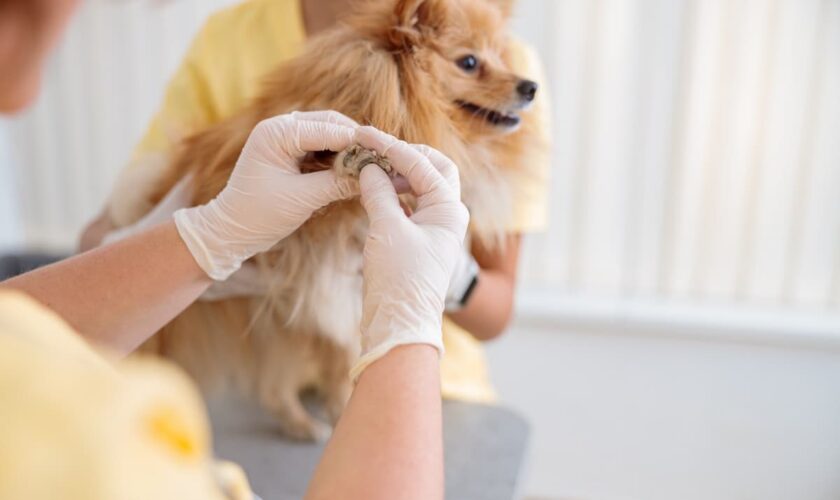
  • Nail trimming prevents overgrowth that can cause pain or injury.
  • Ear cleaning reduces the risk of infection.

Reptiles, fish, and amphibians require clean tanks and carefully regulated water temperatures and filtration for health maintenance.

Veterinary Care and Preventative Health

Pets should see a veterinarian regularly for check-ups. Preventative care can detect diseases before they become serious.

Key components of veterinary care:

  • Yearly wellness exams
  • Vaccinations to prevent contagious diseases
  • Flea, tick, and parasite prevention
  • Dental cleanings to prevent gum disease and infection

Older pets may require more frequent medical supervision to manage joint pain, digestive changes, or chronic conditions.

Understanding the Emotional Needs of Pets

Animals have emotional and social needs that are just as important as physical ones. Ignoring emotional health can lead to anxiety, fear, aggression, or withdrawal.

Social Interaction and Bonding

Most pets require social contact for emotional well-being. Socialization helps pets build confidence and reduces stress.

Ways to build healthy social relationships:

  • Spend daily time interacting with your pet.
  • Offer gentle touch, play, or quiet companionship.
  • Introduce new environments and experiences slowly.

Pets often mirror the emotional tone of the household. Calm consistency builds trust.

Mental Stimulation and Enrichment

Mental stimulation keeps pets alert, engaged, and less prone to destructive behavior. Without enrichment, pets may experience boredom.

Examples of enrichment activities:

  • Puzzle feeders and treat-dispensing toys
  • Training sessions to teach new behaviors
  • Interactive games like hide-and-seek
  • Climbing, digging, or foraging opportunities based on species

Enrichment supports neurological development and emotional resilience.

Comfort and Safe Space

Pets need a space where they feel secure. Safe spaces help reduce anxiety during stressful situations such as storms or visitors.

A comfortable safe space should include:

  • Soft bedding
  • Familiar toys
  • Low noise and low foot traffic
  • Temperature-controlled environment

This area should be available at all times and not used as punishment.

Training and Behavioral Understanding

Training shapes how pets interact with their environment and helps prevent misunderstandings between pet and owner.

Positive Reinforcement Training

Reward-based training encourages pets to repeat desirable behaviors. Positive reinforcement builds trust and reduces fear.

Key elements:

  • Consistency in commands and cues
  • Rewards such as treats, praise, or affection
  • Patience and repetition over time

Avoid punishment-based methods, as they damage trust and increase anxiety.

Understanding Species-Specific Behavior

Understanding natural behaviors prevents misinterpretation.

Examples:

  • Cats scratch to mark territory and stretch muscles, so scratching posts are essential.
  • Dogs chew to relieve stress or boredom, so durable chew toys are necessary.
  • Birds vocalize and express emotion through sound patterns.
  • Rabbits dig and need safe digging areas.

Supporting natural behaviors is crucial to good welfare.

Creating an Ideal Living Environment

A pet’s environment influences their physical and emotional health. Environments should be clean, engaging, and safe.

Household Safety

Identify and remove potential hazards:

  • Toxic plants
  • Electrical cords
  • Unsafe cleaning chemicals
  • Open windows and high surfaces for certain species

Space and Comfort

Pets need space appropriate to their size and activity level. Cages, tanks, or enclosures must meet minimum size requirements and allow movement.

Routine and Structure

Routine reduces stress. Consistent feeding times, sleep patterns, and play schedules support security.

Financial Responsibility in Pet Ownership

Owning a pet involves recurring expenses. Understanding these costs helps avoid financial strain and ensures proper care.

Typical costs include:

  • Food and treats
  • Veterinary visits and emergency care
  • Grooming supplies
  • Bedding, toys, and enrichment materials

Responsible planning prevents neglect and supports long-term pet health.

Frequently Asked Questions

How can I tell if my pet is stressed?

Signs of stress include pacing, hiding, changes in appetite, excessive grooming, aggression, or vocalization. Identify the cause and provide comfort, routine, and reassurance.

How often should I clean my pet’s living space?

Daily spot cleaning and weekly deep cleaning are generally recommended. Fish tanks and terrariums may require specific cleaning schedules based on water quality and filtration needs.

What is the best way to introduce a pet to a new home?

Introduce slowly. Allow the pet to explore at their own pace, avoid overcrowding them with attention, and maintain a calm environment during the adjustment period.

How can I keep my pet mentally stimulated indoors?

Use puzzle toys, rotate play items, create obstacle courses, and schedule interactive play or training sessions to challenge the mind and body.

When should I call a veterinarian for help?

Call a veterinarian if your pet experiences sudden behavior changes, difficulty breathing, persistent vomiting, loss of appetite, or visible pain.

read more
Pet Care

Practical Pet Care Tips for Healthy, Happy, and Well-Adjusted Animals

Caring for a pet requires intention, consistency, and understanding of an animal’s physical and emotional needs. Many people begin with enthusiasm, but maintaining proper routines and providing lifelong support involves learning key principles and applying them thoughtfully. Using Pet Care tips that are backed by practical experience and veterinary guidance allows owners to create stable, nurturing environments where pets thrive. Pets depend entirely on their caregivers for safety, emotional support, nutrition, and medical care, so informed decision-making is essential for long-term well-being.

Pets are individuals with personalities, preferences, fears, and comfort zones. A one-size-fits-all approach rarely works. The most effective care involves observing behavior, adapting routines based on the animal’s needs, and being proactive rather than reactive. Building trust requires time and patience, but once a bond is established, it becomes deeply rewarding.

Understanding Your Pet’s Core Needs

Good pet care begins with understanding the foundational elements of an animal’s daily life. This includes food, water, shelter, hygiene, exercise, and social interaction. Each category influences the others, meaning a weakness in one area may impact the animal’s overall health.

Nutrition and Feeding Habits

Every pet requires balanced nutrition tailored to their species, breed, age, and activity level. Poor feeding habits can develop quickly, leading to obesity, digestive issues, and chronic disease.

Important considerations:

  • Identify whether your pet is a natural grazer or benefits from scheduled meals.
  • Avoid overfeeding treats, especially high-calorie processed snacks.
  • Monitor weight regularly to catch changes early.
  • Introduce new foods slowly to avoid stomach upset.

Fresh water must always be available. Dehydration can lead to kidney stress, fatigue, and overheating, particularly in active pets.

Exercise and Physical Conditioning

Exercise is more than physical movement. It is a major contributor to mental stimulation and emotional balance. Without enough activity, many pets develop destructive or anxious behaviors.

Examples of suitable exercise:

  • Dogs benefit from structured walks, play sessions, and scent-based activities.
  • Cats need climbing structures, chase toys, and room to explore.
  • Small mammals enjoy tunnels, wheels, or safe free-roaming time.
  • Birds require time out of their cages to stretch their wings and explore safely.

The exercise routine should reflect your pet’s natural instincts. For example, sighthounds enjoy sprinting in short bursts, while herding breeds enjoy problem-solving and endurance.

Hygiene and Grooming

Proper grooming prevents skin conditions, discomfort, and disease. Grooming routines help owners identify lumps, wounds, parasites, and early signs of illness.

Core grooming practices:

  • Brush fur to distribute natural oils and prevent matting.
  • Trim nails regularly to avoid joint strain and walking difficulty.
  • Clean ears to prevent infections, especially in floppy-eared breeds.
  • Brush teeth or use approved dental treats to prevent gum disease.

Reptiles, fish, and amphibians require carefully maintained habitat sanitation rather than physical grooming. Clean water quality and habitat temperature directly affect their survival.

Emotional and Social Needs of Pets

Animals experience stress, comfort, fear, happiness, and attachment. Neglecting emotional care often leads to behavioral and physical consequences.

Building Trust and Security

Trust is earned through gentle handling, predictable routines, and patience. Pets feel safe when the environment is stable and interactions are respectful.

Ways to build trust:

  • Use calm voice tones and consistent gestures.
  • Respect personal space if the animal appears overwhelmed.
  • Avoid forcing interactions with new people, pets, or environments.
  • Allow gradual exposure to unfamiliar elements.

Socialization and Interaction

Socialization teaches pets how to navigate new situations without fear. Controlled exposure to people, animals, and environments helps them become confident and adaptable.

Ideal socialization:

  • Begins early but can be taught at any age.
  • Should always be positive, not overwhelming.
  • Encourages curiosity without pressure.

Mental Enrichment and Engagement

Mental stimulation prevents boredom and encourages learning. Enrichment activities reduce stress and support brain health.

Effective enrichment ideas:

  • Puzzle feeders and food-searching games
  • Interactive play sessions with toys
  • Foraging setups for small mammals or birds
  • Training new commands or behaviors

Pets that engage their minds daily typically display calmer and more secure behavior patterns.

Creating a Safe and Supportive Living Environment

The environment where a pet lives has a direct effect on health and comfort. A well-designed living space reduces stress and encourages natural behavior.

Space and Comfort

Every pet should have access to personal space where they can relax undisturbed. This space should be warm, quiet, and away from heavy foot traffic.

Examples:

  • Dogs may benefit from crate or bed spaces where they feel secure.
  • Cats enjoy elevated perches and hiding spots.
  • Birds need sufficient cage size to move freely and stretch fully.
  • Small mammals require tunnels, hideaways, and nesting areas.

Environmental Safety

Homes contain hazards that can be dangerous to pets if overlooked.

Common household risks:

  • Toxic plants
  • Electrical cords
  • Small objects that can be swallowed
  • Cleaning chemicals
  • Open windows and balconies for cats and birds

Pet-proofing the environment helps prevent emergencies.

Health Monitoring and Veterinary Support

Regular veterinary care helps detect health issues before they worsen. Preventative care reduces suffering and maximizes lifespan.

Routine Veterinary Visits

Healthy adult pets should typically be examined annually. Young or senior animals, or those with chronic issues, may require more frequent assessments.

Veterinary visits include:

  • Health exams
  • Vaccination updates
  • Parasite screening
  • Dental evaluations

Recognizing Signs of Illness Early

Pets often hide pain due to instinct. Behavioral changes are usually the first signs of illness.

Warning signs:

  • Changes in appetite or thirst
  • Sudden weight loss or gain
  • Unusual aggression or withdrawal
  • Persistent scratching or grooming
  • Limping or difficulty moving

Prompt action can be life-saving.

Training and Communication

Training provides structure and understanding. Effective training is based on positive reinforcement and clear communication.

Principles of Positive Reinforcement

  • Reward desired behavior with treats, praise, or play.
  • Avoid punishment, which causes fear and damages trust.
  • Be consistent with commands and expectations.
  • Keep sessions short and engaging.

Training builds cooperation and strengthens the relationship.

Frequently Asked Questions

How can I help my pet adjust to a new home?

Allow them to explore gradually. Provide familiar objects like bedding or toys. Keep noise levels low and establish routine feeding and sleep times quickly.

What should I do if my pet refuses to eat a new type of food?

Transition gradually. Mix small amounts of the new food with the old, increasing the ratio over one to two weeks. Sudden changes can cause digestive upset.

How do I know if my pet is getting enough exercise?

Monitor weight, sleep behavior, and emotional balance. A well-exercised pet appears relaxed, content, and sleeps soundly. Under-exercised pets may be restless or destructive.

Is it helpful to use music or calming scents for stressed pets?

Yes. Soft background music, pheromone diffusers, and calming scents can reduce anxiety, especially during storms or noisy events.

How can I reduce shedding in dogs and cats?

Regular brushing, balanced nutrition, hydration, and seasonal grooming support skin health and reduce excessive shedding.

read more
Pet Care

Expert Emergency and Specialty Pet Care at VES Hospital

In the realm of veterinary medicine, the need for expert emergency and specialty care has never been more critical. At VES Hospital, we stand at the forefront of this essential service, dedicated to delivering high-quality, compassionate care for pets facing urgent medical situations and complex health challenges. Our state-of-the-art facility is staffed by a team of highly trained veterinary specialists and emergency clinicians, each equipped with advanced knowledge and skills to address a wide range of conditions. From trauma and critical care to specialized treatments such as oncology, cardiology, and neurology, our comprehensive approach ensures that every pet receives tailored care suited to their unique needs. At VES Hospital, we understand that emergencies can be overwhelming, not just for pets but also for their owners. That’s why we prioritize clear communication, transparency, and support throughout the treatment process. Our commitment to excellence is reflected in our cutting-edge technology, rigorous protocols, and a collaborative environment that fosters the best possible outcomes for our patients. As we delve deeper into the various services offered at VES Hospital, it becomes evident why we are a trusted partner in the health and well-being of your beloved companions during their most critical moments.

– Advanced Emergency Services at VES Hospital

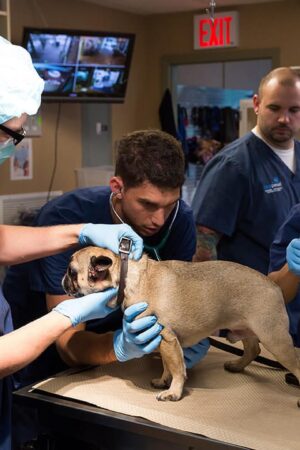
At VES Hospital, the emergency services are designed to provide immediate and comprehensive care for pets facing critical health issues. The facility is equipped with state-of-the-art technology and staffed by a team of skilled veterinarians and veterinary technicians who specialize in emergency medicine. This dynamic team is trained to handle a wide range of urgent conditions, from trauma cases to acute illnesses, ensuring that pets receive prompt and effective treatment.

In addition to immediate care, VES Hospital emphasizes a holistic approach to emergency services. Collaboration with specialists in various fields allows for tailored treatment plans that address not only the immediate needs but also the underlying health issues of pets. This commitment to advanced emergency care reinforces VES Hospital’s dedication to the well-being of every animal, prioritizing both their health and comfort during critical times.

– Specialty Pet Care Offered at VES

VES Hospital offers an extensive range of specialty pet care services that cater to the unique health needs of animals beyond standard veterinary practices. With a team of board-certified specialists in various fields, including internal medicine, oncology, and surgery, the hospital ensures that pets receive expert evaluation and treatment for complex medical conditions. Each specialist brings a wealth of knowledge and experience, utilizing advanced diagnostic tools and innovative therapies to create individualized care plans that enhance the quality of life for pets facing serious health challenges.

The commitment to specialty care at VES Hospital extends beyond diagnosis and treatment; it includes ongoing support and education for pet owners. The team collaborates closely with primary veterinarians to provide seamless continuity of care, allowing for better management of chronic conditions and more informed decision-making for pet owners. This multidisciplinary approach fosters a comprehensive understanding of each pet’s health journey, ensuring that every animal is treated with the utmost compassion and expertise at VES Hospital.

– Trusted Veterinary Expertise at VES Hospital

The veterinary professionals at VES Hospital are dedicated to delivering trusted expertise, ensuring that each pet receives the highest standard of care. Their rigorous training and experience in handling a broad spectrum of medical issues equip them to tackle even the most challenging cases. This commitment is evident in their thorough approach, which emphasizes careful diagnostics and tailored treatment plans, fostering an environment where both pets and their owners can feel confident in the care being provided.

In addition to the advanced medical services, VES Hospital prioritizes building strong relationships with pet owners through open communication and compassionate support. By emphasizing education, the hospital empowers pet owners to understand their pets’ health conditions and treatment options fully. This focus on collaboration not only enhances the overall care experience but also reinforces the hospital’s reputation as a trusted resource in the community for emergency and specialty veterinary services.

In conclusion, VES Hospital stands as a beacon of excellence in emergency and specialty pet care, combining advanced medical technology with a compassionate approach to animal health. Their team of skilled professionals is dedicated to providing tailored treatment plans that address the unique needs of each pet, ensuring that every patient receives the highest standard of care. With a commitment to innovation and a deep understanding of veterinary medicine, VES Hospital not only enhances the well-being of pets but also offers peace of mind to their owners. As the landscape of veterinary care continues to evolve, VES Hospital remains at the forefront, setting a benchmark for quality and reliability in emergency and specialty services.

read more
Pet Care

5 Vital Types Of Bird Food

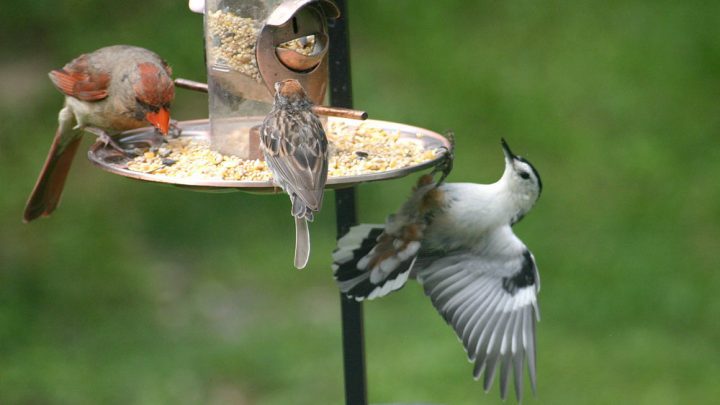
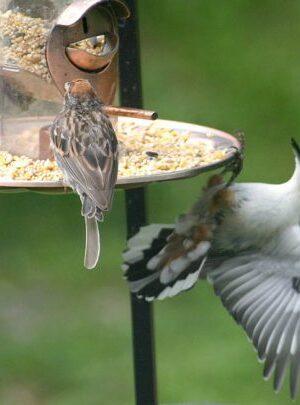
If you want to attract a variety of birds to your backyard bird feeders, it’s important to offer them the right kind of food. There are several types of seeds, fruit and non-seed foods that birds eat.

Sunflower seeds are one of the most popular choices for bird feeders because they are rich in protein, fatty acids and fiber. These seeds are also a great source of energy for birds during the winter.

Sunflower Seed

Sunflower seeds are an excellent bird food because they are packed with fat and protein. This is essential for birds to maintain a healthy weight, especially in winter when they need extra energy.

They also contain vitamins and minerals that are vital for a healthy body and a happy life. These include vitamin E, zinc and folate.

These seeds are a favorite of many songbirds and can be used to make a variety of different bird foods. The type of sunflower seed you feed depends on the species of birds you want to attract or keep at your feeders.

Suet

Suet is a leather-like material that can be made from lamb, goat, deer and pig. However, the type of animal used has an effect on the finish of the leather.

For instance, thicker hides from older animals tend to have a napped texture that isn’t as smooth and light as lighter skins.

Birds eat suet as a source of fat and calories. It also provides essential fatty acids to help keep them warm in cold climates.

There are several types of suet to choose from, including cakes, balls, and chunks. Balls and chunks will usually fit in most standard suet feeders, while the larger cakes can be used in more specialized feeders.

Nuts

Nuts are a staple food for a variety of birds, especially in the fall and winter when they provide extra fat for birds to survive cold weather. During this time of year nuts also provide protein and calcium to support strong bones and thicker eggshells.

Peanuts are the most popular nut to feed bird species in the wild, but other types of nuts are available for use in bird feeders as well. These include macadamia nuts, hickory nuts, pecans, brazil nuts and walnuts.

If you’re looking to use other types of nuts for your backyard birds, be aware that they may have been salted, roasted or coated in some way. These ingredients can be toxic to wild birds, so make sure any nuts you offer don’t have any of these added to them.

Fruit

Fruit is a staple of many bird diets and provides essential energy during summer, fall, and winter. Thrushes (including robins and bluebirds), tanagers, thrashers, orioles, jays, mockingbirds, woodpeckers and other birds will visit feeders for a variety of fruits.

In addition to fresh fruit, dried berries and grapes are also popular with birds. These can be offered in a suet cage, on a platform feeder or sprinkled onto the ground for birds to peck.

Fruit is also an excellent source of vitamin A, which is crucial for healthy feathers, skin, eyesight, and a strong immune system. Dark-colored fruits and vegetables are better sources of vitamin A than their pale counterparts because they have higher levels of beta carotene.

Kitchen Scraps

Kitchen scraps are a great way to provide backyard birds with an extra source of food. These items are often high in fat and protein that can help birds stay healthy during nesting season or wintertime.

Some of these foods include: poultry trimmings, egg shells, beef fat trimmings, and stale cheese. These are good sources of protein and can be a welcome treat for a wide variety of backyard birds, including brown thrashers, wrens, and catbirds.

While kitchen scraps are a useful way to reduce your waste, they can also attract pests such as mice and rats. You should place these scraps on a platform feeder, and avoid putting them on the ground.

read more
Pet Care

Tips For Buying Reptile Food And Supplies Online

If you have kept turtles, alligators, or any other reptile in your home, you should ensure that you provide them with quality food and other supplies. Quality food ensures the pets grow healthy, while other accessories and supplies ensure that the pets live a happy life. Most reptile food and supplies are not available in the local area, and you may be forced to buy them online. And with many online pet stores available, you should be careful to avoid fraudsters and buying low-quality supplies. Here are tips to help you buy quality reptile food and supplies online.

Read Customer Reviews

Reading customer reviews can help you know a trusted reptile food brand and store. First, you should research the top reptile food and accessories brands available. You can read about these brands online and make an informed decision. After that, you can now read customer reviews of the pet stores. When buying reptile food and supplies in Kuwait, you should go for an online store with many positive reviews. The store must be offering products from trusted brands and suppliers.

Check Shipping and Return/Refund Policy Terms

When you buy reptile supplies online, you expect them to be shipped and delivered within the shortest time possible. You also expect the products to be of high quality. But your expectations may not be fulfilled when you buy from just any online pet store. Choose a trusted store with clear, friendly shipping and return/refund policy terms.

After buying the reptile food and supplies in Kuwait, the online store you buy from should send the products to your location within a few days at zero or minimal fees. In addition, the store should allow you to get a refund or replacement if the supplies or food delivered are wrong, deformed, or expired. That way, you can have peace of mind buying from them. Avoid online pet stores with unfriendly, complicated, or unclear return/refund policies. They may not exchange the products or refund your money if you are dissatisfied.

Choose A Store Offering a Wide Range of Products

You should go to an online pet store offering a wide range of reptile food and supplies. It is convenient and cheaper to buy all your reptile food and accessories at one store. You can even get a discount or free shipping as a result. Therefore, before you buy the products, visit a store and check what they have listed. Buy from an online store that is well-stocked with different reptile foods and a wide collection of reptile supplies from different brands.

Do a Price Comparison 

You should make a price comparison if you want to save some money when buying reptile food and supplies online. You should open several stores in different tabs and pick products you intend to buy. Then compare their prices. You should go for competitively priced products offered by trusted pet stores. Don’t be tempted to buy from a store offering reptile supplies at amazingly low prices. The products may be of low quality, and you won’t get the best for money when you buy at such stores.

read more
Pet Care

Accessories you must have for your new friend

Are you a dog or cat person? A pet is often your best friend. your buddy. You can walk with it, eat together and cuddle when you lie on the couch in the evening. A pet is good for people. If you are planning to get a dog, for example, it is important that you have a number of things at home as a precaution. Especially before that little four-legged friend is walking around everywhere. Are you curious about which accessories you need for your little four-legged friend? Then read on.

Take a walk around

When you have a dog, it needs to go outside several times a day to relieve itself. Especially when they are still young, dogs sometimes want to run from one side of the street to the other. To prevent this, you can choose to purchase a dog leash. However, you cannot attach a dog leash to a dog’s fur. You can easily attach a dog leash to dog collars. The dog collars is a band that the dog can keep on continuously during the day. It may even be wise to hang a hanger on the dog collars with the dog’s name and your contact details on it. When your dog has run away from home, people on the street who find him can see on the dog collars where the dog should go. The dog collars will help your four-legged friend find it again. Dog collars are also available in different colors and sizes. This is of course because not every dog ​​is the same width and has the same head.

Take a nap

When your dog is still young, he will have to sleep a lot during the day. This makes it nice that the dog has its own place in its house where it can lie. Otherwise, it is possible that the dog will lie on furniture while you would rather not. When you purchase a pouf or a bench for the dog and use it structurally, the dog will eventually see this as its place. This way the dog will be able to sleep well while you are busy with household chores.

Go get it

When you go to get a dog, it is often the case that they are still very playful as a puppy. It is therefore nice that you have something at home, so that the puppy can play every now and then, but also with you as owner. For example, you can think of a tennis ball or a squeaky toy that are for sale everywhere. During your walks you can also teach the dog to apport.

read more
Pet Care

What Are You Going To Do With Your Furry Friends When You Go On Holiday?

Everyone needs a holiday at some point, but it can be quite difficult if there are pets involved. Dogs are wonderful animals that develop strong emotional bonds with their human family, but they also tend to be very dependent on us for both affection and their ongoing health and happiness. Human also develop strong emotional ties to their dogs, and this can mean that going away and leaving them behind can be difficult.

Who Will Look After Your Dogs?

Many families depend on the good will of family and friends when it comes to looking after their dogs, but this is not always possible. Maybe other people are busy, or maybe they are simply not in a situation to take care of them. When it is not possible for other people to look after your dogs, what can you do?

The good news is that this situation should not deter you from going away on holiday. Services such as dog boarding in Sydney can step in to help anyone in a situation where they need their dogs to be looked after by professionals.

Why Choose A Dog Boarding Service?

Apart from the fact that a dog boarding service will look after your dogs and allow you to go on holiday, there are some other excellent reasons for choosing such a service, including but not limited to the following:

  • Socialisation: Like us, dogs are very social creatures. They enjoy being around both humans and other dogs, and they gain many benefits from this. When you board your dog, it has the opportunity to hang out with other dogs and socialise. There is a large play area, and the dogs can run around and play in packs and groups. This is good for dogs psychologically, and the exercise is good for them physically. This means that you don’t have to worry that your precious pooch is not getting stimulation and is not having fun. The fact that they can run with other dogs means that will have a whale of a time.
  • Training: Dog training is as important for them as it is for us. It gives them strict boundaries that they can respond to and allows us to tame those wilder elements of their nature. It short, it places them firmly in a hierarchy, which they enjoy. Many dog boarding places also offer basic obedience training. If you have been struggling to tame your dogs, and they have taken over the home, a stint in a dog boarding kennel might just be what they need.
  • Grooming: Imagine going away on holiday and coming back to find that your dogs have been washed and trimmed? Many boarding services also offer dog grooming.

It’s perfectly natural for dog owners to feel immense guilt when they go away on holiday and leave their pooches behind. The good news is that dog boarding offers all dogs a home away from home. No family has to feel guilt any longer.

read more
Pet Care

Dog Barrier for Keeping Your Pet Healthy and Safe Within A Limited Area

Some households have dogs as a part of their family, and they love to take good care of their canine friend. The dogs are adored and cared for, but sometimes they want to keep the dog in a particular area. The dog barrier comes into use then. There are times when the owner wants his dog to be safe at home when he is away, and a healthy dog barrier can keep the dog safe and sound without supervision. The dogs often are super active and will chew things or run down the stairs. They also swipe foods from the dining table. The dog gate can keep the dog within a confined area where all these things will not happen.

Safety for the pet

These indoor gates help owners to keep dogs free but still keep them within a certain area that is easy to clean. The dogs often get this urge to go for an exploration tour all around the house or over the ground. It may be dangerous for them. They can knock over things or may trip over something that can be unsafe for them. The gates will confine the dogs in a room or the corner of the house so that they do not destroy furnishings or any household items. You can visit the site www.hundgrind.com to find out more about such dog barriers for the safety of your pet.

Dogs get enough space to run around

The dogs get an entire room or an ample space for themselves to run around but they do not have any reason to harm themselves. This dog barrier becomes a healthy option for the pet as it keeps him in a space where he can play and run around. Still, this is not shutting the door of a room that often can cause the blocking of free flowing of air. The dog needs enough air and space to be happy and fit.

Simple to use and easy to store

The gate has holes, and it can also be used when you have central heating on or are using air conditioning to control the temperature. These gates are easy to use as they snap in place and will fit in the doorways. It will be easy to take it off when you want to move in, but they are keen to keep your pet within the safety zone in spite of its endeavor to move the barrier from its way. The dog barrier is easy to store away when you have no reason to keep your four-legged friend in confinement. The gates are thin and flat in shape. You can be slid it underneath any furniture so that you can keep it away from causing any concern for your family members or guests.

Keep all members of family healthy

These doors help to keep your pets away from trash can adventure or from a dip in the swimming pool or from chewing a part of your couch in the living room. The kitchen is a very appetizing area for your dog, and the barrier will keep him out of place. This will keep your food safe. The dogs also should maintain a specific diet plan, and the dog gate will help you to continue with the diet plan. Contact www.hundgrind.com to get further information regarding the dog barrier and keep your family members safe and your pet in a healthy zone with them.

read more
Pet Care

How Can a Vet Help Your Furry Friend in an Emergency?

Our cats, dogs, and other small animals are great companions for us at any stage of our lives. Indeed, studies have shown repeatedly that cats and dogs, in particular, are a great source of comfort for elderly people and those of us who are single. Cats and dogs provide affection and comfort and make us feel as if we have a reason to get up in the morning. This also means that they quickly become a big part of our family. In this sense, they are wonderful companions. But what happens when your pet is sick all of a sudden?

What Can a Local Vet Do for You?

The fact is that just the same as us, our pets also need health care from time to time. Sometimes they have chronic health conditions that require ongoing treatment and medication; other times, they end up being hurt and need veterinary care that is rapid and professional in nature. This is where emergency local vets can really help.

When your pet is sick, a veterinary clinic can be a lifesaver. Imagine that your cat or dog has been hit by a car and it’s a Saturday night. How many regular vets are going to be around to help? Fortunately, an emergency vet can get to the clinic and be there to help your animal companion at a moment’s notice. Indeed, life is unpredictable and one never knows when health problems can strike!

Typically, veterinary clinics offer the following sorts of services to their patients:

  • Checkups: Just the same as humans, our animals need regular health checkups too. This is especially true if the animal has ongoing health issues or is suffering from conditions such as arthritis because they are elderly. Regular checkups every year can ensure that your pets are healthy.
  • Vaccinations: The fact is that diseases such as Parvo can turn everything upside down and be deadly for a dog. This is why it is so important to have your vet administer these types of vaccines. For cats too, being fully vaccinated is important to protect against the many pathogens they might come across in their travels.
  • Imaging: Sometimes your precious pet needs to be X-rayed. What if he or she has been hit by a vehicle? Sometimes, the vet just needs to have a look inside to see if there is any further internal damage or broken bones that need to be dealt with.

Looking After Your Pet

Given how important our pets are to us, it is important to ensure that they also get the best health treatment from a local vet. Looking after any animal goes beyond just feeding them right and giving affection. It also means having the contact details of the local vet handy.

read more
Pet Care

Locating the Best Pet Transport Service

When you wish your pouch or cat to accompany for your family vacation, you ought to get everything right to help make the whole vacation successful. Choosing the best person to handle the transport of something as close to you as the pet could be a daunting task here you’ll find all you need to help you get through this.

Additional care is precisely what it takes when getting around together with your pet. You have to make certain that any foreseeable danger is prevented no matter what. For all of us pet proprietors, a dog isn’t just every other animal. They are members of our family. Our pets happen to be around whenever we got our first jobs these were around whenever we had our first split up plus they will still be by our sides regardless of what. For this reason it feels so bad when we must leave our pets behind whenever we choose a vacation. Fortunately you won’t need to endure a guilt ridden vacation if you’re able to secure the best pet transport firm to deal with your dog’s safe arrival.

Pet transport services would be the new method of ensuring you pet and you’re never separated. You could enjoy the organization of the pet wherever you decide to go should you enlist the aid of these professional animal transportation firms. Nokia’s have specifically designed equipment to handle transportation of the pets. You will find:

· Air Travel Pet Safety Equipment

· Road Travel Pet Safety Equipment

· Water Travel Pet Safety Equipment

Each one of these bits of equipments should make sure the complete safety of the pets wherever the destination is.

Additional Services

The following factor you need to discover to find out when the firm can satisfy the needed standards of pet transportation mainly involves the additional services they are able to offer. You shouldn’t just choose a firm that are experts in just moving your pouch in the house towards the airport terminal. There are plenty of more services which are connected with excellent pet transporting firms. A few of these services include:

· Veterinary visits: The perfect firm should be capable of bring your pet to some veterinary when the need arises

· Grooming services: This can make sure that your animal friend doesn’t emerge from your way searching washed up.

· Feeding: As unbelievable because this may seem, not every firms will feed your dog through the journey.

With this particular information, you are able to safely achieve the expertise of a competent firm to deal with your dog on any journey.

In large quantities, especially when you are considering border transit, you probably need to invest on a large truck, which can organize pet transport Singapore at the same time. In addition, adequate ventilation and sanitation facilities for the inside of the truck need to be suitable, safe and clean for animals.

read more
1 2
Page 1 of 2