A pet holds a unique place in a household. For many people, a pet is not just an animal that lives with them but a companion that provides emotional support, comfort, and daily joy. The relationship between a person and a pet can influence mental health, family dynamics, and lifestyle habits. Understanding how to care for a pet properly is essential for both the pet’s well-being and the lasting bond shared with its owner. The concept of having a pet has existed for thousands of years, evolving from early domestication to the wide range of species kept today.
The Role of Pets in Everyday Life
Pets influence many aspects of daily routines and emotional wellness. They offer companionship and can help create structure in daily schedules through feeding, exercise, and regular caretaking. Studies show that spending time with animals may lower stress levels, reduce anxiety, and promote feelings of happiness. Pets provide a sense of responsibility and nurture, especially for children who learn empathy and compassion through caring for another living being.
People often choose a pet that matches their lifestyle. Individuals who enjoy outdoor activities may prefer dogs due to their exercise needs, while those who favor calm indoor environments might choose cats, fish, or smaller animals. The key is understanding the needs of the animal and making sure they align with available time, space, and financial resources.
Types of Pets and Their Unique Needs
Different pets require different levels of care, attention, and environmental conditions. Selecting the right pet requires thoughtful consideration of how well an individual or family can meet the animal’s needs.
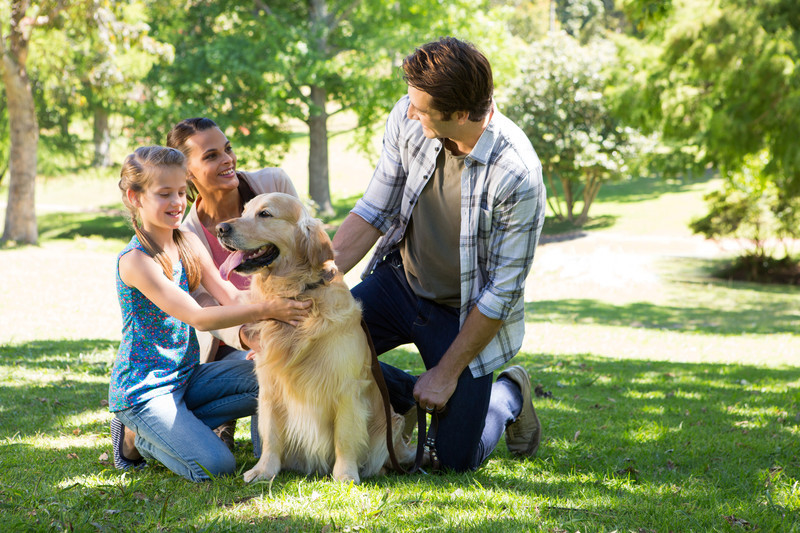
Dogs
Dogs are highly social animals known for their loyalty and intelligence. They thrive on companionship, daily exercise, and mental stimulation. Without these elements, dogs can develop stress behaviors such as barking, chewing, or separation anxiety.
Important considerations for dog ownership:
- Adequate exercise based on breed energy level
- Training to promote positive behavior
- Regular veterinary visits and vaccinations
- Grooming and hygiene maintenance
Cats
Cats are independent yet affectionate animals that form strong bonds with their owners. They require less hands-on involvement than dogs but still need enrichment and attention.
Key care elements:
- Access to scratching posts to support natural behavior
- Safe indoor environment to prevent injury or illness
- Clean litter box and regular feeding schedule
- Play routines to encourage activity and mental engagement
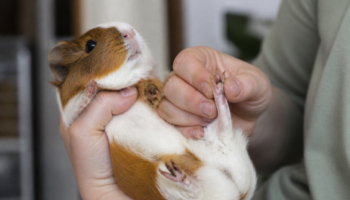
Small Mammals
Hamsters, guinea pigs, rabbits, and ferrets are popular for individuals seeking smaller pets. Each of these species has specific housing and dietary needs.
Typical requirements:
- Proper cage size and ventilation
- Safe bedding without harmful chemicals
- Fresh water and species-specific nutrition
- Daily interaction and handling to maintain trust
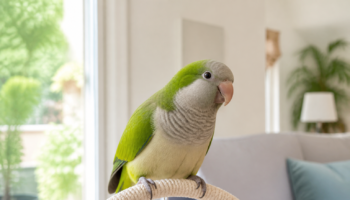
Birds
Birds are intelligent, sensitive animals that require mental stimulation and social interaction. Some birds form deep emotional attachments to their owners and need companionship to avoid loneliness.
Essential care requirements:
- Spacious cage with room for wing movement
- Toys and foraging materials for enrichment
- Balanced diet beyond just seeds
- Time outside the cage for exercise
Fish
Fish are peaceful pets that bring calm to the home environment. However, their care requires attention to water quality and tank management.
Key considerations:
- Correct tank size for the species
- Filtration system to maintain clean water
- Water temperature and pH regulation
- Appropriate feeding schedules
Choosing the Right Pet for Your Lifestyle
Choosing a pet is a long-term commitment. Each type of animal comes with unique needs for time, energy, space, and financial investment. Before selecting a pet, individuals should evaluate their daily routines, work schedules, home environment, and personal preferences.
Questions to consider:
- Do you have enough time daily for interaction and exercise?
- Is your home environment suitable for noise, shedding, or large enclosures?
- Are you prepared for ongoing expenses like food, veterinary care, and supplies?
- Are you looking for a highly interactive companion or a more independent pet?
Matching a pet to lifestyle ensures a healthy relationship and prevents common problems such as rehoming or behavioral issues caused by neglect.
The Emotional Benefits of Having a Pet
Pets provide emotional support in ways that are profound and meaningful. Interacting with animals can trigger the release of oxytocin, a hormone associated with bonding and affection. This physiological response explains why spending time with pets creates comfort and relaxation.
Key emotional benefits:
- Reduced stress and anxiety
- Increased feelings of comfort and security
- Encouragement of physical activity through play or walks
- Enhanced social interaction, especially in public settings
Pets also help people cope with feelings of loneliness. For elderly individuals or those living alone, pets can provide companionship and a reason to stay active.
Physical Health Benefits of Pet Ownership
Pets encourage healthier lifestyles. Daily walks with dogs improve cardiovascular health and maintain joint mobility. Caring for a pet promotes routine, which can support better sleep patterns and meal consistency.
Health advantages associated with pet ownership include:
- Lower blood pressure
- Improved mood and emotional resilience
- Increased physical movement
- Strengthened immune response through environmental exposure
Owning a pet often leads to better emotional awareness because caretakers must observe their pet’s behavior and needs regularly.
Proper Care and Responsibility
Being responsible for a pet involves more than feeding and cleaning. It requires long-term dedication to health, happiness, and emotional support.
Core responsibilities:
- Scheduling regular veterinary check-ups
- Providing enrichment and mental stimulation
- Offering affection and social interaction
- Maintaining a clean and healthy living environment
Neglect or lack of attention can lead to behavioral problems, health diseases, and emotional stress in animals. Responsible pet care ensures that the relationship remains positive for both the pet and the owner.
Training and Behavior Development
Training shapes how a pet interacts with its household environment. Positive reinforcement training encourages desired behaviors through praise, treats, and gentle guidance.
Effective training principles:
- Consistency in commands and expectations
- Reward-based reinforcement instead of punishment
- Patience and repetition to build habits
- Understanding species-specific behavior patterns
Pets learn best in calm environments with clear communication. Harsh training methods can damage trust and lead to fear-based behaviors.
The Social Impact of Pet Ownership
Pets often bring people together. Dog parks, pet-friendly community events, and online groups provide opportunities for connection among pet owners. Children who grow up with pets often show improved empathy and stronger communication skills.
Pets also play roles in:
- Therapeutic environments such as hospitals or counseling centers
- Education programs to teach responsibility and emotional development
- Community bonding through shared experiences
Frequently Asked Questions
How can I tell if my pet is happy?
A happy pet displays relaxed body posture, healthy appetite, and playful or affectionate behavior. Changes in behavior such as hiding, aggression, or loss of interest may indicate stress and should be evaluated.
What is the best way to introduce a new pet to a home?
Introduce the pet slowly by allowing them to explore one area at a time. Keep interactions calm and provide familiar scents or bedding. Avoid overwhelming the pet with too many new experiences at once.
How often should a pet see a veterinarian?
Most pets benefit from an annual wellness visit. However, young, elderly, or medically complex pets may require more frequent check-ups to monitor their health.
How can I help my pet adjust to being alone during the day?
Gradually increase the time the pet spends alone. Provide toys or enrichment items, ensure proper exercise before leaving, and maintain a predictable schedule to build comfort.
What should I consider before adopting a pet from a shelter?
Consider the pet’s history, temperament, and any special needs. Ask questions about behavior and medical care. Make sure you can commit to providing a stable, loving environment.
A pet is not just an addition to a household but a meaningful presence that influences emotional well-being, daily habits, and personal growth. By understanding the needs of different species and committing to responsible care, anyone can build a strong and lasting bond with their pet that enriches both lives in deep and lasting ways.