The veterinary field plays a crucial role in public health, agriculture, animal care, and environmental sustainability. People often associate veterinary work only with treating sick pets, but the scope is far broader. Veterinary professionals support livestock health, safeguard food systems, monitor wildlife populations, prevent disease outbreaks, and conduct scientific research that benefits both animals and humans. Understanding how this field functions provides deeper appreciation for the systems that maintain animal well-being and preserve global health stability.
Veterinary medicine is built upon science, empathy, and responsibility. Animals cannot describe their symptoms or pain, so veterinarians rely on observation, diagnostic tools, behavioral analysis, and professional judgment. The field requires extensive education, consistent learning, and skill development to address diverse medical challenges.
The Core Purpose of Veterinary Medicine
Veterinary medicine focuses on protecting, treating, and improving the health of animals. This includes physical illness, behavioral health, injury recovery, disease prevention, and overall quality of life. Veterinarians work to ensure that animals receive proper care, whether those animals are pets, livestock, wildlife, or service animals.
Key Functions of Veterinary Medicine
- Diagnose and treat diseases and injuries
- Prevent illnesses through vaccinations and preventive care
- Promote proper nutrition and welfare standards
- Perform surgeries and medical procedures when necessary
- Monitor infectious disease patterns to protect both animals and humans
Veterinary professionals serve as advocates for animals who cannot advocate for themselves.
Branches of Veterinary Practice
Veterinary medicine includes multiple specialties and forms of practice. Each area addresses distinct needs and populations.
Companion Animal Veterinary Care
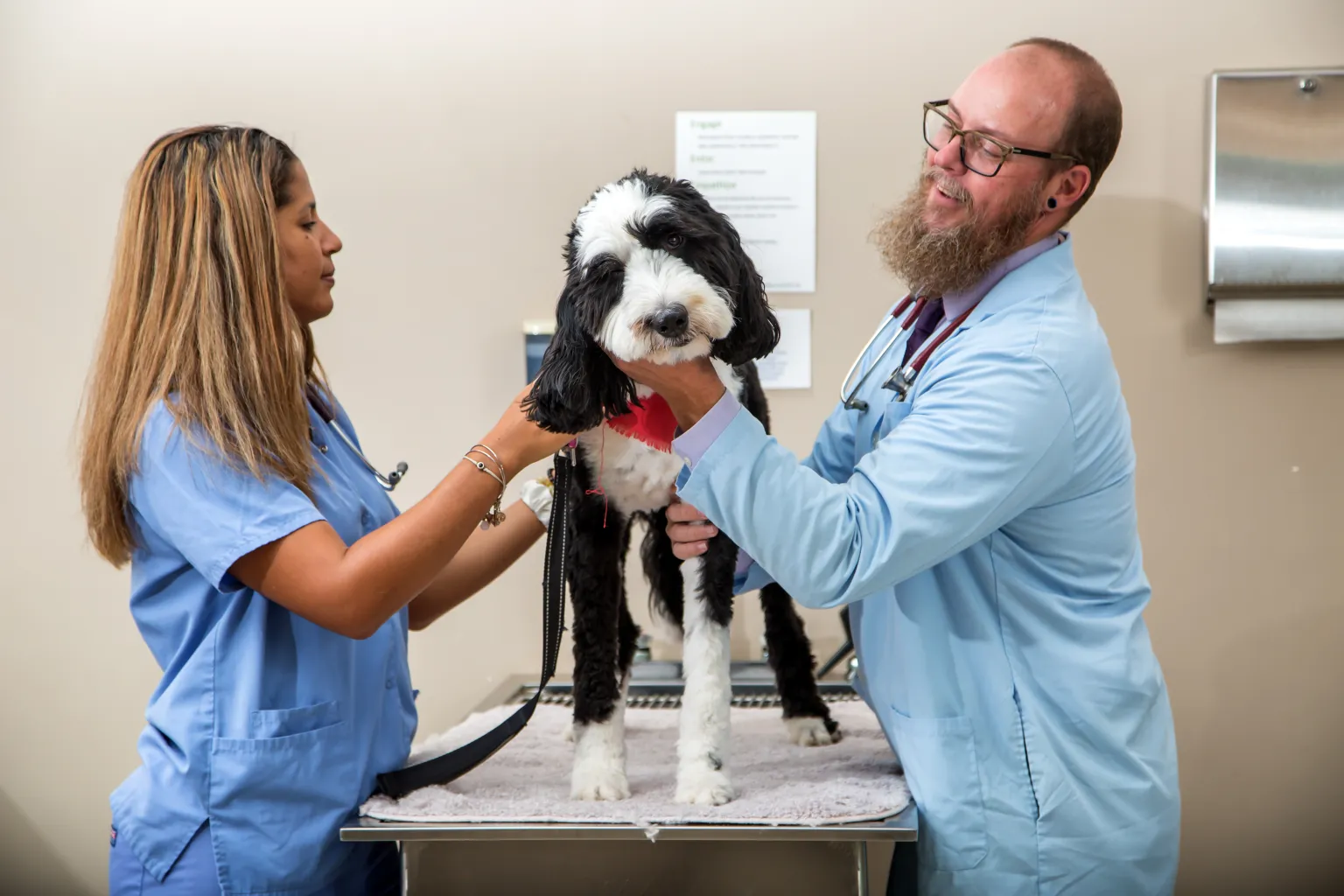
This is the most widely recognized branch, providing medical services to pets such as dogs, cats, birds, reptiles, and small mammals. These veterinarians work in clinics, animal hospitals, and mobile care units.
Common services include:
- Annual wellness exams
- Vaccination schedules
- Dental cleanings
- Parasite prevention
- Emergency treatment
Large Animal and Livestock Veterinary Care
Livestock veterinarians focus on animals raised for food production, including cattle, pigs, goats, and poultry. Their work supports agricultural systems and food safety.
Key responsibilities:
- Monitoring herd health
- Treating injuries and illnesses in farm animals
- Supporting breeding programs
- Ensuring humane living conditions
- Preventing disease spread among livestock populations
Wildlife and Conservation Veterinary Medicine
Wildlife veterinarians work with free-ranging animals and protected species, supporting biodiversity and environmental balance.
Their work may involve:
- Treating injured wildlife
- Monitoring population health trends
- Conducting field research
- Supporting relocation or rehabilitation programs
- Advising environmental conservation policies
Research and Laboratory Veterinary Science
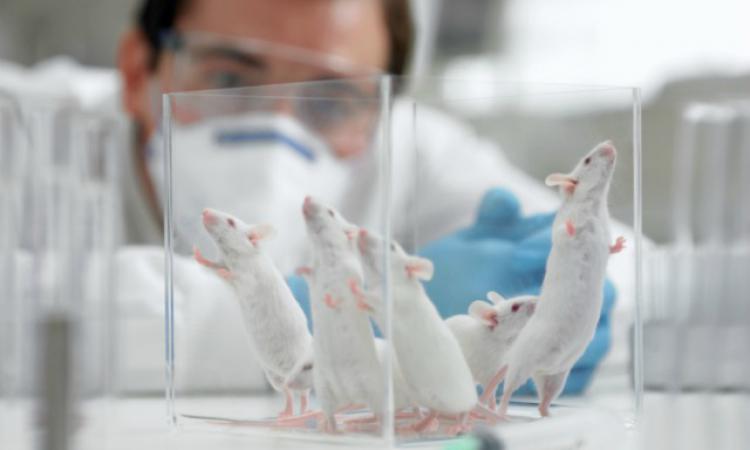
Some veterinarians do not work directly with animals but instead conduct studies that contribute to improved medical practices, pharmaceuticals, food safety, or disease prevention research.
Equine Veterinary Care
Equine veterinarians specialize in horse care, working with sport horses, ranch horses, therapy animals, and personal companions.
Veterinary Diagnostics and Medical Tools
Veterinary diagnostics have advanced significantly in recent decades. The same level of technology used in human medical care is now available to animals.
Common diagnostic tools include:
- X-rays to identify bone and joint problems
- Ultrasound for reproductive and organ health evaluations
- Blood analysis to detect infection or disease
- Fecal exams to diagnose parasites
- Genetic testing for inherited conditions
These tools help veterinarians make accurate, evidence-based medical decisions.
Preventative Veterinary Care
Preventative care reduces long-term health risks and avoids unnecessary suffering. Preventative veterinary approaches focus on early detection, routine maintenance, and lifestyle recommendations.
Essential Components of Preventative Care
- Vaccinations protect against common and severe diseases.
- Parasite control prevents ticks, fleas, and internal parasites that can damage organs or transmit illnesses.
- Nutrition consultation ensures that each animal receives proper dietary support.
- Routine dental care prevents tooth decay, gum disease, and systemic infections.
Preventative care often leads to lower veterinary expenses over time by avoiding emergency interventions.
Animal Behavior and Mental Wellness
Veterinary professionals increasingly recognize the importance of emotional and behavioral health. Stress or anxiety can affect appetite, immune response, and social interactions.
Examples of behavioral concerns:
- Separation anxiety in dogs
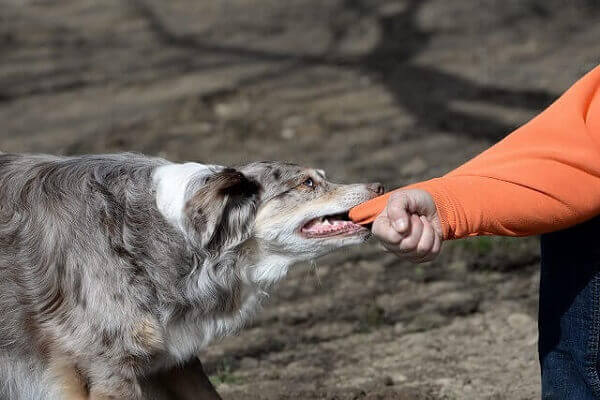
- Aggression in overcrowded environments
- Stress in newly adopted animals
- Repetitive grooming behaviors in cats
Veterinarians collaborate with behavior specialists and trainers to support rehabilitation and coping strategies.
Veterinary Surgery and Advanced Medical Treatment
Veterinary medicine includes surgical and specialist treatment options similar to human healthcare.
Common procedures include:
- Spaying and neutering
- Orthopedic surgeries for joint injuries
- Tumor removal
- Dental extractions
- Emergency trauma surgery
Specialists may also provide:
- Oncology treatments for cancer
- Dermatology for skin disorders
- Cardiology for heart conditions
- Neurology for brain and spine concerns
Advanced care supports longer, healthier animal lives.
The Relationship Between Veterinary Medicine and Public Health
Veterinary professionals play a major role in preventing disease transmission from animals to humans. These diseases, known as zoonotic diseases, can spread rapidly if not monitored.
Examples of zoonotic diseases:
- Rabies
- Lyme disease
- Avian influenza
- Salmonella transmitted from contaminated food sources
Veterinary oversight safeguards the food supply chain, decreasing outbreak risks and maintaining community health stability.
Ethical Responsibilities in Veterinary Practice
Veterinarians must balance medical knowledge, animal welfare, and client expectations. Ethical challenges may arise in situations where treatment is possible but costly, or when an animal’s quality of life is declining.
Ethical principles include:
- Providing honest medical guidance
- Prioritizing the animal’s welfare
- Respecting client decisions while offering compassionate education
- Avoiding unnecessary medical procedures
Strong communication skills are essential in managing these moments with empathy.
Choosing the Right Veterinary Professional
Selecting a veterinarian is a meaningful decision that influences an animal’s long-term health.
Key qualities to look for:
- Clear communication and willingness to answer questions
- Gentle and patient handling of animals
- Clean facility and well-organized procedures
- Experience with your specific animal type or breed
A positive relationship between pet owner and veterinary provider supports better care outcomes.
Frequently Asked Questions
How often should animals see a veterinarian?
Most pets should visit the veterinarian at least once a year for wellness exams. Older animals, young animals, or those with chronic conditions may require more frequent visits.
Can veterinarians help with pet behavior problems?
Yes. Many veterinarians provide behavioral assessments or work alongside certified animal behavior specialists to address issues such as fear, aggression, or anxiety.
Why is dental care important for animals?
Dental disease can lead to pain, infection, difficulty eating, and bacteria spreading to vital organs. Routine dental cleanings and at-home care help prevent major health problems.
What should I do during a veterinary emergency?
Remain calm and transport the animal to the nearest emergency veterinary clinic. Keep a list of emergency locations accessible for quick response.
How do veterinarians impact food safety?
Veterinarians monitor livestock health, ensure sanitary handling conditions, and conduct screenings for diseases that could enter the human food supply.