
Caring for a pet requires intention, consistency, and understanding of an animal’s physical and emotional needs. Many people begin with enthusiasm, but maintaining proper routines and providing lifelong support involves learning key principles and applying them thoughtfully. Using Pet Care tips that are backed by practical experience and veterinary guidance allows owners to create stable, nurturing environments where pets thrive. Pets depend entirely on their caregivers for safety, emotional support, nutrition, and medical care, so informed decision-making is essential for long-term well-being.
Pets are individuals with personalities, preferences, fears, and comfort zones. A one-size-fits-all approach rarely works. The most effective care involves observing behavior, adapting routines based on the animal’s needs, and being proactive rather than reactive. Building trust requires time and patience, but once a bond is established, it becomes deeply rewarding.
Understanding Your Pet’s Core Needs
Good pet care begins with understanding the foundational elements of an animal’s daily life. This includes food, water, shelter, hygiene, exercise, and social interaction. Each category influences the others, meaning a weakness in one area may impact the animal’s overall health.
Nutrition and Feeding Habits
Every pet requires balanced nutrition tailored to their species, breed, age, and activity level. Poor feeding habits can develop quickly, leading to obesity, digestive issues, and chronic disease.
Important considerations:
- Identify whether your pet is a natural grazer or benefits from scheduled meals.
- Avoid overfeeding treats, especially high-calorie processed snacks.
- Monitor weight regularly to catch changes early.
- Introduce new foods slowly to avoid stomach upset.
Fresh water must always be available. Dehydration can lead to kidney stress, fatigue, and overheating, particularly in active pets.
Exercise and Physical Conditioning
Exercise is more than physical movement. It is a major contributor to mental stimulation and emotional balance. Without enough activity, many pets develop destructive or anxious behaviors.
Examples of suitable exercise:
- Dogs benefit from structured walks, play sessions, and scent-based activities.
- Cats need climbing structures, chase toys, and room to explore.
- Small mammals enjoy tunnels, wheels, or safe free-roaming time.
- Birds require time out of their cages to stretch their wings and explore safely.
The exercise routine should reflect your pet’s natural instincts. For example, sighthounds enjoy sprinting in short bursts, while herding breeds enjoy problem-solving and endurance.
Hygiene and Grooming
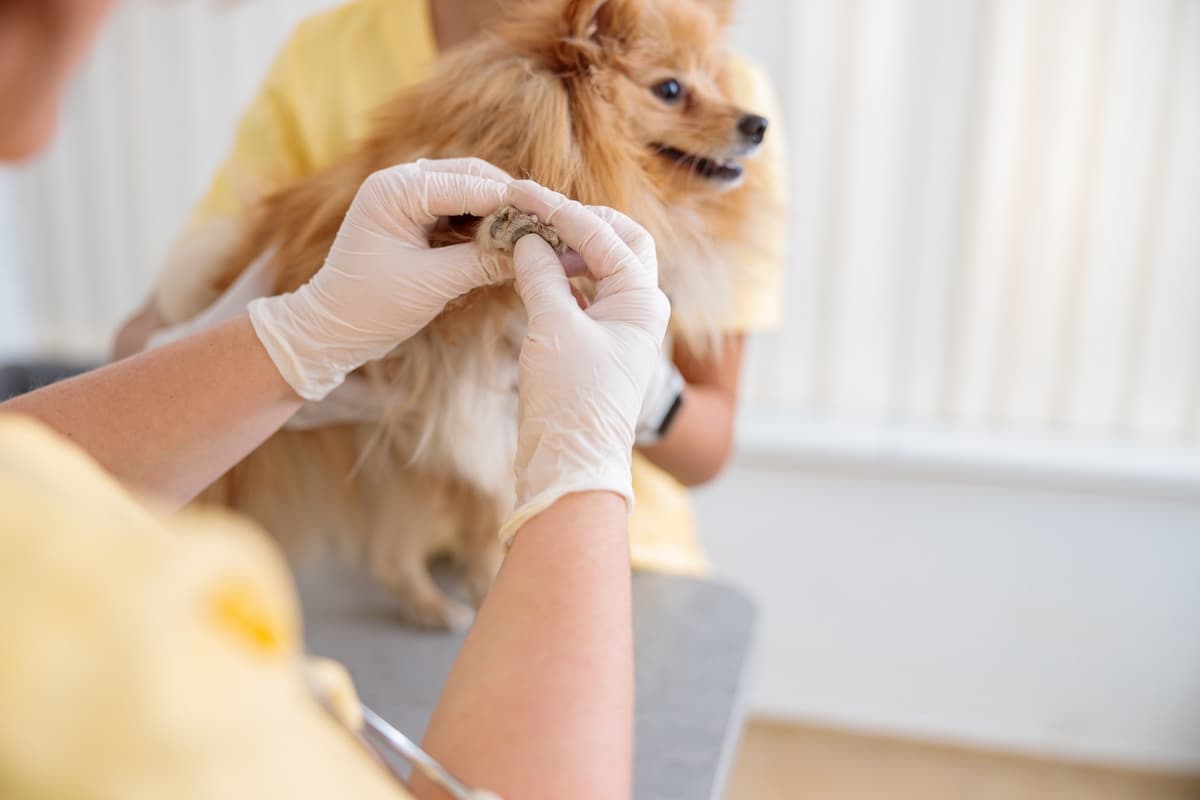
Proper grooming prevents skin conditions, discomfort, and disease. Grooming routines help owners identify lumps, wounds, parasites, and early signs of illness.
Core grooming practices:
- Brush fur to distribute natural oils and prevent matting.
- Trim nails regularly to avoid joint strain and walking difficulty.
- Clean ears to prevent infections, especially in floppy-eared breeds.
- Brush teeth or use approved dental treats to prevent gum disease.
Reptiles, fish, and amphibians require carefully maintained habitat sanitation rather than physical grooming. Clean water quality and habitat temperature directly affect their survival.
Emotional and Social Needs of Pets
Animals experience stress, comfort, fear, happiness, and attachment. Neglecting emotional care often leads to behavioral and physical consequences.
Building Trust and Security
Trust is earned through gentle handling, predictable routines, and patience. Pets feel safe when the environment is stable and interactions are respectful.
Ways to build trust:
- Use calm voice tones and consistent gestures.
- Respect personal space if the animal appears overwhelmed.
- Avoid forcing interactions with new people, pets, or environments.
- Allow gradual exposure to unfamiliar elements.
Socialization and Interaction
Socialization teaches pets how to navigate new situations without fear. Controlled exposure to people, animals, and environments helps them become confident and adaptable.
Ideal socialization:
- Begins early but can be taught at any age.
- Should always be positive, not overwhelming.
- Encourages curiosity without pressure.
Mental Enrichment and Engagement
Mental stimulation prevents boredom and encourages learning. Enrichment activities reduce stress and support brain health.
Effective enrichment ideas:
- Puzzle feeders and food-searching games
- Interactive play sessions with toys
- Foraging setups for small mammals or birds
- Training new commands or behaviors
Pets that engage their minds daily typically display calmer and more secure behavior patterns.
Creating a Safe and Supportive Living Environment
The environment where a pet lives has a direct effect on health and comfort. A well-designed living space reduces stress and encourages natural behavior.
Space and Comfort
Every pet should have access to personal space where they can relax undisturbed. This space should be warm, quiet, and away from heavy foot traffic.
Examples:
- Dogs may benefit from crate or bed spaces where they feel secure.
- Cats enjoy elevated perches and hiding spots.
- Birds need sufficient cage size to move freely and stretch fully.
- Small mammals require tunnels, hideaways, and nesting areas.
Environmental Safety
Homes contain hazards that can be dangerous to pets if overlooked.
Common household risks:
- Toxic plants
- Electrical cords
- Small objects that can be swallowed
- Cleaning chemicals
- Open windows and balconies for cats and birds
Pet-proofing the environment helps prevent emergencies.
Health Monitoring and Veterinary Support
Regular veterinary care helps detect health issues before they worsen. Preventative care reduces suffering and maximizes lifespan.
Routine Veterinary Visits
Healthy adult pets should typically be examined annually. Young or senior animals, or those with chronic issues, may require more frequent assessments.
Veterinary visits include:
- Health exams
- Vaccination updates
- Parasite screening
- Dental evaluations
Recognizing Signs of Illness Early
Pets often hide pain due to instinct. Behavioral changes are usually the first signs of illness.
Warning signs:
- Changes in appetite or thirst
- Sudden weight loss or gain
- Unusual aggression or withdrawal
- Persistent scratching or grooming
- Limping or difficulty moving
Prompt action can be life-saving.
Training and Communication
Training provides structure and understanding. Effective training is based on positive reinforcement and clear communication.
Principles of Positive Reinforcement
- Reward desired behavior with treats, praise, or play.
- Avoid punishment, which causes fear and damages trust.
- Be consistent with commands and expectations.
- Keep sessions short and engaging.
Training builds cooperation and strengthens the relationship.
Frequently Asked Questions
How can I help my pet adjust to a new home?
Allow them to explore gradually. Provide familiar objects like bedding or toys. Keep noise levels low and establish routine feeding and sleep times quickly.
What should I do if my pet refuses to eat a new type of food?
Transition gradually. Mix small amounts of the new food with the old, increasing the ratio over one to two weeks. Sudden changes can cause digestive upset.
How do I know if my pet is getting enough exercise?
Monitor weight, sleep behavior, and emotional balance. A well-exercised pet appears relaxed, content, and sleeps soundly. Under-exercised pets may be restless or destructive.
Is it helpful to use music or calming scents for stressed pets?
Yes. Soft background music, pheromone diffusers, and calming scents can reduce anxiety, especially during storms or noisy events.
How can I reduce shedding in dogs and cats?
Regular brushing, balanced nutrition, hydration, and seasonal grooming support skin health and reduce excessive shedding.