
Veterinary medicine plays a vital role in protecting the health and welfare of animals while supporting public health, food safety, and the environment. Today, veterinary care extends far beyond routine checkups. It includes preventive medicine, emergency treatment, diagnostic imaging, surgery, dental health, nutrition planning, and behavioral support. Whether someone lives with a companion pet, manages livestock, or works in wildlife conservation, the field of veterinary medicine shapes how animals live healthier and longer lives. The term veterinary also refers to the professional knowledge and medical standards that guide how animals are evaluated, treated, and managed across diverse environments.
Animals rely on humans for their wellbeing. Regular veterinary care ensures that health problems are identified early, treatment is effective, and preventable diseases do not spread. This care provides peace of mind, supports animal comfort, and builds a foundation for long-term health.
Key Contributions of Veterinary Medicine
- Protects pets and livestock from disease
- Improves quality of life and lifespan for animals
- Prevents zoonotic diseases that can transfer to humans
- Maintains safe and sustainable food production practices
- Supports conservation and wildlife management
Veterinarians are trained to diagnose illnesses, perform medical procedures, and offer guidance on proper nutrition, exercise, and safe handling practices.
Core Areas of Veterinary Medicine
Preventive Care
Preventive medicine is the foundation of animal health. It focuses on routine wellness checks and health maintenance strategies that reduce the likelihood of disease.
Examples of Preventive Care
- Vaccinations to protect against viral or bacterial infections
- Parasite prevention for fleas, ticks, heartworms, and intestinal worms
- Routine blood work and screening for age-related illnesses
- Dental cleanings to prevent gum disease and tooth pain
Regular wellness exams help veterinarians monitor weight, behavior, and overall function. This ensures that early warning signs of illness are not overlooked.
Diagnostic Evaluation
Diagnostic tests allow veterinarians to understand an animal’s internal health. Animals cannot communicate symptoms directly, so testing is essential.
Common Veterinary Diagnostic Tools
- Blood tests to check organ function and immune response
- X-rays to detect fractures, arthritis, or internal masses
- Ultrasound imaging to assess soft tissues and internal organs
- Skin scrapings or cultures to evaluate dermatological conditions
- Fecal exams to detect parasites or digestive issues
Advancements in veterinary technology now allow for quicker and more accurate testing, improving treatment outcomes.
Emergency and Critical Care
Accidents, trauma, poisoning, and sudden illness require immediate intervention. Emergency veterinary care facilities are equipped to handle extreme situations where time is critical.
Typical emergency cases include:
- Broken bones
- Parvovirus infection in puppies
- Heatstroke and dehydration
- Toxic plant or chemical ingestion
- Complications during labor
Emergency teams work quickly to stabilize the animal and determine the best course of treatment.
Surgical Procedures
Veterinarians perform a wide range of surgeries from routine sterilization to advanced orthopedic or soft tissue operations.
Common Surgical Procedures
- Spaying and neutering to prevent unwanted pregnancy and reduce disease risk
- Tumor removal when cancer or growth is detected
- Dental extractions when tooth damage is severe
- Orthopedic repairs for torn ligaments or fractures
Post-s surgical care includes pain management, bandaging, rest planning, and follow-up appointments.
Dental Care
Many animals experience dental issues as they age. Untreated gum disease can lead to severe pain, tooth loss, and systemic infection.
Veterinary dental care typically includes:
- Professional cleanings under anesthesia
- Oral examinations for hidden decay or fractures
- Treatment of infections and gum inflammation
- Guidance on home dental hygiene routines
Regular dental care prevents costly and painful conditions later in life.
Nutrition and Weight Management
Feeding an animal a balanced diet supports immune function, organ health, and daily energy levels. Veterinarians recommend diets based on species, age, lifestyle, and medical needs.
Examples include:
- Special diets for allergies or gastrointestinal sensitivity
- Weight reduction plans for overweight animals
- Joint support diets containing glucosamine
- High-energy diets for working dogs or active livestock
Proper nutrition can prevent chronic illnesses such as diabetes and joint pain.
Behavioral and Emotional Health
Behavioral issues often stem from stress, pain, or unmet needs. Veterinary behavior specialists assess emotional health and develop training or therapeutic solutions.
Behavior services can help with:
- Anxiety and excessive vocalization
- Aggression or territorial behavior
- House training struggles
- Separation stress
This support leads to a more peaceful relationship between animals and their owners.
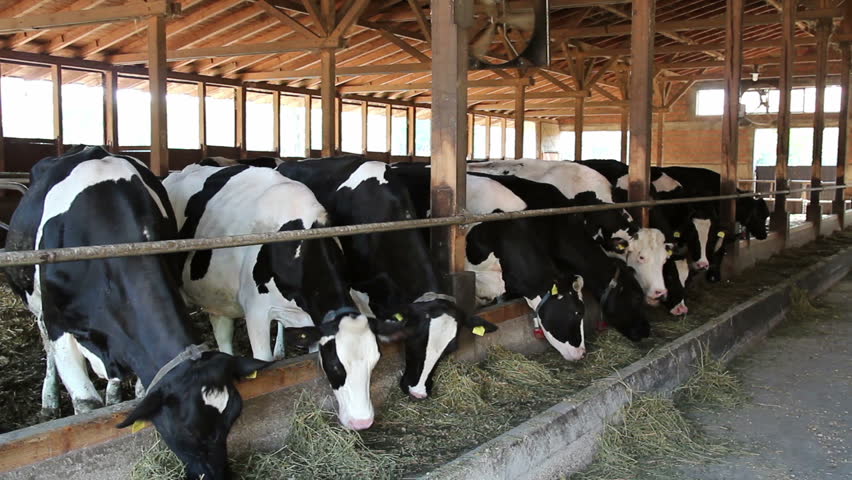
Veterinary Care in Livestock and Agriculture
Livestock veterinarians support farmers by protecting herd health and ensuring safe food production. They help prevent disease outbreaks that could harm animals or enter the human food chain.
Responsibilities typically include:
- Monitoring herd wellness and nutrition balance
- Ensuring vaccination and parasite control programs
- Supporting safe birthing and reproductive management
- Developing disease prevention protocols for farms
Their expertise contributes to sustainable agriculture and stable food supply systems.
Wildlife and Conservation Veterinary Medicine
Wildlife veterinarians work in zoos, sanctuaries, and natural habitats. Their goal is to support biodiversity and protect endangered species.
Key tasks include:
- Treating injured wild animals
- Studying disease impact in wildlife populations
- Supporting rehabilitation and release efforts
- Providing medical care for conservation breeding programs
Their work helps maintain ecological balance and preserve natural environments.
How to Choose the Right Veterinarian
Selecting the right veterinary professional ensures your animal receives proper, compassionate care.
Consider:
- Experience with your animal species
- Availability for emergencies
- Communication style and willingness to explain treatment plans
- Up-to-date equipment and modern facility standards
- Recommendations from other pet owners or agricultural professionals
A good veterinarian prioritizes trust, education, and partnership with the animal’s guardian.
FAQs: Veterinary Care
How often should animals see a veterinarian?
Most pets should have at least one yearly wellness exam. Senior animals and those with chronic conditions may need visits every 6 months.
What are common signs an animal is sick?
Changes in appetite, unusual behavior, coughing, vomiting, diarrhea, limping, or sudden weight changes indicate that a veterinary evaluation is needed.
Why is pet vaccination important?
Vaccines protect animals from potentially deadly diseases and help prevent illnesses from spreading to other animals or humans.
Do older animals require special care?
Senior animals may develop arthritis, dental issues, or organ disease. Regular screenings and tailored diets help maintain comfort and quality of life.
Can stress affect an animal’s physical health?
Yes. Stress impacts immune function and behavior. Providing enrichment, routine, and social support can improve emotional wellbeing.
Is pet dental care really necessary?
Yes. Dental disease is one of the most common preventable conditions in pets. Routine cleanings and at-home care help avoid pain and serious infection.