
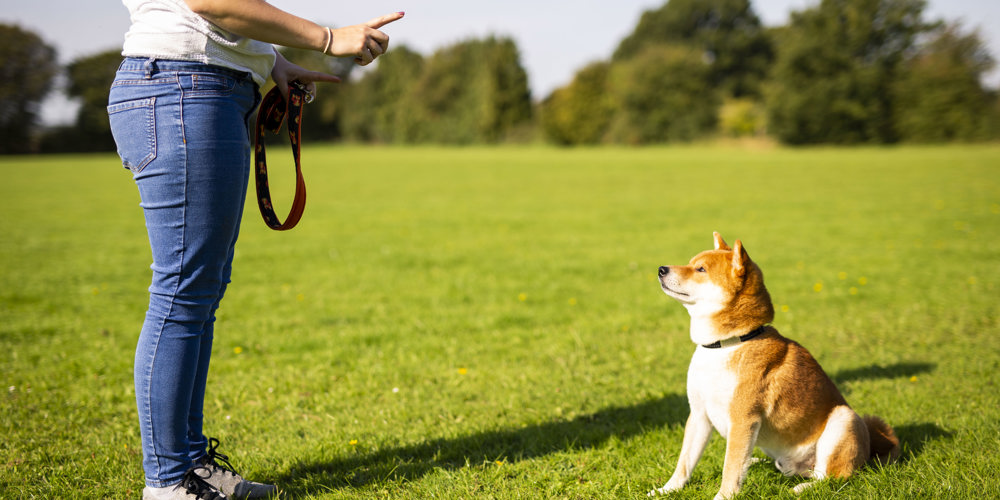
Residential dog training for safer household behaviour should be understood as structured professional support, not a quick way to outsource responsibility. A dog may spend time with trainers, but the family still needs to understand what has changed, how to maintain progress and what routines must continue at home. The handover matters as much as the training period itself.
Owners often consider structured residential support when behaviour has become difficult to manage in normal life. That might involve pulling, poor recall, overexcitement, door behaviour, anxiety, poor manners around visitors or a lack of basic control. The aim should be safer, calmer living, not a dramatic transformation that ignores the dog’s welfare or the owner’s role.
TotalK9 explains that residential dog training works best when the owner is honest about the problem, the dog’s routine and the home environment. The specialist input should identify what the dog is struggling with, what can realistically be improved and how the family should continue after collection. This matters because behaviour does not exist in isolation. A dog that learns better habits in a structured setting still returns to the same doors, people, pavements, visitors and household expectations. The owner therefore needs practical guidance, not just a report that training has taken place. That guidance should feel usable at home, especially when the old triggers appear again in familiar rooms and on familiar walks.
Start With the Behaviour, Not the Label
Owners sometimes describe a dog as stubborn, naughty or dominant when the real issue is unclear communication, anxiety, over-arousal or lack of structure. A professional assessment should look at what the dog is actually doing, when it happens and what the household does in response. Labels can be emotionally satisfying, but they rarely solve the problem.
A better starting point is specific observation. Does the dog pull towards people, bark at the door, ignore recall in open spaces or become unsettled around visitors? How often does it happen? What makes it worse? What has already been tried? These details help shape a training plan that addresses behaviour rather than assumptions.
A useful test for start with the behaviour, not the label is whether the plan still works when the home is tired, noisy or slightly rushed. Many ownership problems appear in those ordinary moments rather than in carefully prepared demonstrations. The family should imagine the same point on a wet evening, during a school run, when a visitor arrives early or when the handler is distracted. If the answer depends on everyone behaving perfectly, the plan needs simplifying. Responsible ownership is built around routines that remain clear when life is imperfect.
The Residential Setting Creates Clarity
A residential setting can give the dog a consistent structure away from the patterns that may be reinforcing the problem at home. Trainers can work on routines, obedience, manners and confidence in a controlled way. That structure can be useful for dogs that have become confused by mixed signals or inconsistent handling.
The setting itself is not magic. It works because the dog receives clearer information and repeated practice from people who understand timing and progression. Owners should see the residential period as a focused intervention, not a replacement for their own involvement. The dog still needs the family to continue the message afterwards.
The UK context makes the residential setting creates clarity practical rather than theoretical. Owners have neighbours, pavements, delivery drivers, visitors and local expectations to consider. The dog may live on private property, but the handler’s responsibility extends to every moment where another person could be affected or confused. Thinking in this grounded way helps the family avoid exaggerated claims and keeps the conversation focused on controlled, welfare-led handling. A serious plan should make sense to the household and to a cautious outside observer.
Handover Turns Training Into Home Behaviour
The handover is where progress becomes practical. Owners should learn what commands have been used, how to reward, how to correct calmly, what to avoid and how to manage the situations that caused problems before. A short explanation is rarely enough if the behaviour has been difficult for a long time. The owner needs to practise and ask questions.
A good handover should also be honest about limits. Some behaviours need ongoing management, gradual exposure or follow-up support. The goal is not to pretend the dog has become perfect. The goal is to give the owner a clearer, safer way to handle the dog in the real situations that matter.
Families should also ask who owns this part of the routine. If the answer is everyone, it often becomes no one. One adult may lead the dog, another may support visitor management, and children may have simple rules to follow, but the responsibility should not blur. Clear ownership prevents mixed signals and gives the dog a more predictable environment. It also makes follow-up advice easier because the professional can speak to the person who is actually handling the behaviour day after day.
Family Consistency Protects the Progress
When the dog returns home, every adult should understand the new routine. If one person follows the trainer’s guidance and another allows old habits, progress can fade quickly. Children should also receive simple, age-appropriate instructions. Consistency does not mean everyone becomes a trainer, but it does mean the household stops sending mixed messages.
This is especially important around doors, walks, feeding, furniture and visitors. These are the places where old habits often reappear. A family that agrees on the rules before the dog comes back is more likely to maintain the improvement. The dog benefits because the environment feels clearer.
It helps to separate reassurance from pressure. A family may want to feel safer, but the dog should not be asked to carry every worry in the house. Good handling keeps the animal’s role clear and proportionate. The owner still uses locks, lighting, judgement, neighbour awareness and sensible routines. The dog contributes to the wider picture, but it is not turned into the only answer. That balance is healthier for the family and fairer to the animal.
Safer Behaviour Is Often Built From Small Skills
Safety is not always about dramatic obedience. It is often built from small skills that make daily life easier: waiting calmly, walking without pulling, coming when called, settling when asked and accepting visitor routines. These behaviours reduce conflict because the handler has ways to guide the dog before excitement becomes too high.
Owners should value these foundations. A dog that can settle on cue may be safer around guests. A dog that walks calmly may be easier to manage in public. A dog that responds to recall gives the owner more control. Small skills are not minor when they change the shape of everyday life.
This part of the plan should be discussed before the dog arrives, not after the household is already improvising. A short conversation can identify where confusion is likely: a side door, a visiting relative, a busy school morning or a handler who travels for work. Once those details are named, the family can decide what procedure to follow. Preparation does not remove every surprise, but it gives the handler a calm starting point instead of a rushed reaction.
Welfare Should Stay at the Centre
Training should be ethical, controlled and welfare-led. A dog that is frightened, overwhelmed or punished without understanding is unlikely to become safer in a meaningful way. Owners should expect professional trainers to consider the dog’s age, health, temperament, confidence and history. Behaviour improvement should not come from intimidation.
Welfare also includes rest, suitable exercise, nutrition and emotional balance during the training period. Owners should ask how the dog will be cared for, how progress will be judged and what happens if the dog needs a different pace. A humane approach is not softer on outcomes; it is often what makes outcomes sustainable.
The welfare question is simple: does this arrangement help the dog understand what is expected, or does it leave the animal guessing? Clear routines, rest, measured exercise and calm handling all reduce unnecessary stress. A dog that understands the household is more likely to remain settled and responsive. Welfare is therefore not a soft extra beside safety. It is one of the conditions that makes safe ownership possible over months and years.
Plan the Return Home Before Collection
The dog should not return to a chaotic version of the old routine. Before collection, the family should prepare the home, agree the rules and remove obvious triggers where possible. If the dog struggled at the front door, the door routine should be ready. If walks were the issue, the handler should know the first route and equipment.
Owners should also schedule follow-up if recommended. The first days after return are important because the dog is transferring learning back into the family environment. Calm repetition, patience and professional support can help the progress settle. The result should be a home that feels safer because the people and the dog understand each other more clearly.
Professional advice is most valuable when the owner is honest. If the home is busy, say so. If children forget rules, say so. If the handler lacks confidence at the door, that should be part of the conversation. A good match is not created by pretending the household is calmer or more experienced than it is. It is created by matching the dog, the training and the support to the real environment where the animal will live.
It is useful for owners to keep a simple diary after the dog returns. Notes on walks, visitors, settling and any difficult moments can make follow-up advice more precise. The diary does not need to be long. It simply helps separate patterns from isolated incidents, which is valuable when behaviour has previously felt confusing.
Owners should also avoid testing the dog too quickly. Inviting the hardest visitor, choosing the busiest walk or recreating the old problem may undermine confidence. Progress is better protected through gradual, thoughtful practice. The aim is to make better behaviour normal, not to prove everything in a single day.
Owners should keep records of the guidance they receive. Notes on commands, routines, visitor handling, exercise and follow-up support can prevent misunderstanding later. In a busy family, verbal advice is easy to remember differently. A written reference helps adults stay aligned and gives the handler something concrete to revisit when life becomes hectic. It also shows that the dog is being treated as a serious responsibility rather than an impulse purchase or a passing security idea.
Finally, the family should protect the relationship as carefully as the training. A dog that trusts its handler is easier to guide, and a handler who understands the dog is more likely to make sensible decisions. Trust is built through calm repetition, fair boundaries, appropriate rest and a willingness to learn. When that relationship is strong, the dog is not simply present in the home. It is understood by the home, which is a much more sustainable foundation.
There is also value in reviewing the arrangement after the first week, the first month and the first change in routine. Homes evolve quickly. A school timetable changes, a new visitor becomes regular, work patterns shift or the dog settles differently from expected. A short review helps the family notice whether the original plan still works. It also creates a natural point to seek advice before habits become fixed. The review should be calm and practical, focused on what helps the dog and the people live together more clearly.
The long-term measure of success is not whether the dog creates a dramatic impression. It is whether the household feels more organised, the handler feels supported and the animal has a stable, welfare-led life. That kind of success is quieter than many buyers imagine. It is seen in calm door routines, respectful children, controlled walks, predictable rest and owners who do not exaggerate the dog’s role. Those ordinary signs are often the best evidence that the decision has been made responsibly.
Owners should keep records of the guidance they receive. Notes on commands, routines, visitor handling, exercise and follow-up support can prevent misunderstanding later. In a busy family, verbal advice is easy to remember differently. A written reference helps adults stay aligned and gives the handler something concrete to revisit when life becomes hectic. It also shows that the dog is being treated as a serious responsibility rather than an impulse purchase or a passing security idea.