
close

June 2026

Pet

Helping Kids Cope: Navigating the Short Lifespans of Rodent Pets

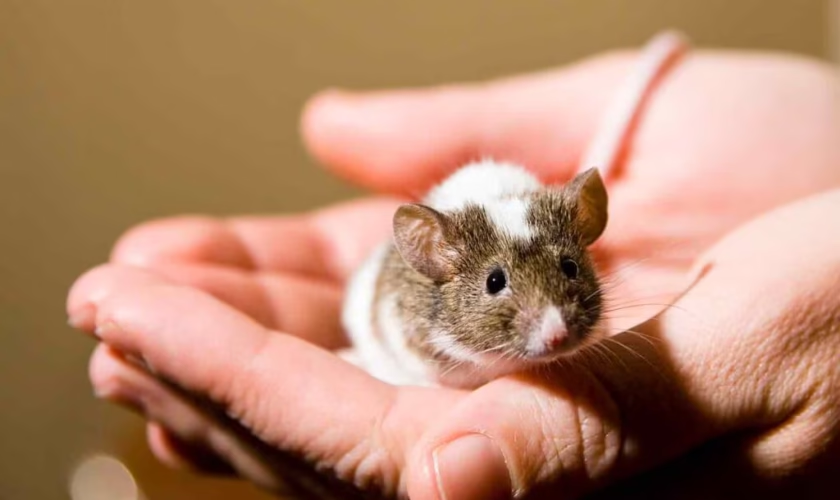
The purchase often begins with the best of intentions. A family strolls into a pet store or rescue shelter looking for a child’s very first companion. Dogs feel too demanding for a packed school schedule, and cats might trigger allergies, but a Syrian hamster, a pair of fancy rats, or a duo of energetic gerbils seems like the perfect compromise. Parents envision easy lessons in responsibility: filling water bottles, scooping bedding on Saturday mornings, and offering apple slices through cage bars.
What many parents fail to anticipate is the emotional collision course built into the biology of small mammals. Rodents carry an extraordinary capacity for personality. A pet rat will learn its name, ride happily on a child’s shoulder while they do homework, and eagerly groom small fingers. A hamster will develop intricate evening burrowing routines that fascinate a seven-year-old for hours.
Then, scarcely two or three years later, that intense bond runs headfirst into a harsh reality. Small rodents live fast, burn bright, and age with startling speed. For millions of children, a tiny cardboard shoebox buried beneath an oak tree becomes their very first encounter with mortality.
Navigating this compressed lifecycle requires parents to abandon the dismissive myth of the disposable starter pet. When handled with candor, emotional safety, and thoughtful ritual, the brief life of a rodent companion offers children an invaluable developmental blueprint for processing grief, understanding empathy, and learning how to love deeply despite the certainty of loss.

The Starter Pet Myth and the Reality of Fast Mortality

Society frequently diminishes small companion animals. Phrases like “it is just a hamster” or “you can buy another mouse for ten dollars” treat these animals as educational training wheels rather than living creatures with genuine emotional value.
To a young child, physical size has zero correlation with emotional significance. A child does not love an eighty-pound golden retriever eight times more than a ten-ounce hooded rat. In fact, small pets often occupy an even more intimate space in a child’s everyday world. They live directly inside the bedroom. They are the silent confidants who hear bedtime secrets, witness quiet tears after a hard day at school, and provide soothing tactile feedback through their soft fur.
The biological reality is unyielding:
  • Fancy mice typically live between one and two years.
  • Hamsters rarely surpass two to three years, often showing marked physical decline shortly after their second birthday.
  • Fancy rats, despite possessing the social intelligence, affection, and trainability of miniature canines, carry a devastatingly brief window of two to three years, frequently marred by high rates of respiratory illness and tumors.
  • Gerbils fare slightly better, generally living three to four years, while guinea pigs (which are cavies, rather than true rodents in the popular sense) offer a longer window of five to eight years.
Because their biological clocks tick so rapidly, a rodent can transition from prime youth to elderly fragility within six months. When parents understand this timeline, they can shift their perspective from surprised devastation to proactive stewardship.

Laying the Groundwork: Honesty Before the Loss Occurs

The best time to prepare a child for the loss of a pet is not when the animal is taking its final ragged breaths in a nest of paper shavings. Preparation begins the day the animal enters the home.
Framing the conversation early removes the element of betrayal when aging begins. You do not need to deliver a grim lecture to an excited child holding a new pet; rather, weave lifespan awareness naturally into discussions about biology and care.
Explain that different animals experience time in different rhythms. A tortoise moves slowly and can live for a century, while a little mouse lives life on fast-forward: its heart beats hundreds of times a minute, its little legs run miles every night, and its entire lifespan is packed into a few meaningful years.
By framing a short lifespan as a natural characteristic of the species rather than an unfair tragedy, you instill a sense of urgency around daily kindness. Teach your child that because our time with small friends is brief, every fresh handful of greens, clean cage, and gentle handling session matters immensely.

The Peril of Well-Intentioned Deception

When a small pet dies suddenly, the instinct of many loving parents is protection through evasion. The desire to shield a child from sobbing heartbreak is completely understandable, but resorting to deception almost always backfires.

The “Pet Store Switcheroo”

One of the most persistent tropes in suburban parenting is quietly rushing to the pet shop while the child is at school, buying an identical golden hamster, placing it in the cage, and pretending nothing happened.
Children are far more observant than adults give them credit for. They notice subtle differences in coat patterns, physical temperament, handling tolerance, and nighttime habits. When the “resurrected” pet acts terrified of their hands or runs differently on its wheel, the child is left confused, second-guessing their own senses, and feeling an unspoken wrongness in their environment.
More critically, replacing a pet without acknowledgment robs the child of their right to mourn. It silently reinforces the harmful idea that living beings are interchangeable appliances that can be reordered when broken. When the truth inevitably slips out years later, it shatters parental credibility on topics far more serious than pet care.

The Problem with Euphemisms

Language matters profoundly when discussing death with young minds. Adults naturally reach for soft euphemisms to cushion the blow, telling children that the pet “went to sleep,” “passed away,” or “went to live on a farm.”
For young children, especially those under the age of eight, abstract language breeds anxiety rather than comfort:
  • Telling a child a pet “went to sleep and did not wake up” can induce severe bedtime terrors. Children begin worrying that if they fall into a deep sleep, they or their parents might not wake up either.
  • Claiming the pet “got lost” or “went on a trip” instills chronic guilt. The child wonders why their pet abandoned them, whether they left the cage latch loose, and spends months watching the doorway in vain hope.
  • Explaining that “God needed another angel” or that the animal was “taken because it was so special” can foster resentment toward spirituality or cause fear that other good people in their life will be chosen next.
Use clear, gentle, biologically accurate phrasing. Explain that the pet’s body stopped working: “His heart stopped beating, he cannot feel any pain, he does not breathe anymore, and he cannot wake up.” It sounds blunt to adult ears, but to a concrete-thinking child, clear physiological facts provide a stable, understandable boundary that prevents frightening imaginative spirals.

Navigating the Final Days: Comfort Care and Euthanasia

Unlike dogs, who often display obvious mobility loss, a rodent’s decline can be subtle until it becomes acute. Prey species possess a hardwired instinct to hide weakness until their physiological reserves are completely spent.
When an elderly rodent begins to fail—losing muscle mass along the spine, sleeping outside their usual hide box, struggling to crack hard seeds, or developing chronic respiratory clicking—involve your child in compassionate hospice care.
Change the focus of ownership from play to comfort:
  • Lower water bottle nozzles and move food dishes directly next to their sleeping nest.
  • Replace standard wood shavings with ultra-soft paper bedding or fleece to cushion aching joints.
  • Allow the child to prepare soft, nourishing elder-care meals: warm baby food, pureed pumpkin, scrambled eggs, or oatmeal.
Involving children in palliative care teaches them that love is not merely about playing when an animal is fun and lively; it is about providing dignity, warmth, and gentle protection when an animal is old and vulnerable.
If the animal reaches a point of intractable suffering—common with mammary tumors in rats or wet tail in hamsters—the conversation must shift to veterinary euthanasia. Frame this decision not as giving up, but as the final, bravest act of friendship. Explain that humans have a special responsibility to step in and prevent pain when a small body is too tired to continue on its own.
Whether a child attends the veterinary procedure depends heavily on their age and temperament, but they should always be given agency in the decision. If they choose not to be present in the exam room, they can still write a letter to slip into the transport carrier or wrap their friend in a favorite scrap of fabric for the journey.

Supporting Children Across Developmental Stages

Children understand the permanence and mechanics of death differently depending on their cognitive maturity. Tailoring your support to their specific developmental phase prevents miscommunication.

Toddlers and Preschoolers (Ages 3 to 5)

Children in this age bracket view death as temporary and reversible, much like a cartoon character flattened by an anvil who pops back up in the next scene.
Do not be surprised if a four-year-old cries hysterically upon hearing the news, asks to go play with blocks three minutes later, and then asks when the hamster is waking up for dinner that evening. This is not heartlessness; their brains simply cannot hold the concept of forever.
Respond with patient, repetitive clarity. Reiterate that the pet has died, its body does not work anymore, and it will not come back, but that it is okay to feel sad or miss them whenever those feelings pop up.

Early Elementary (Ages 6 to 9)

At this stage, children begin to understand that death is permanent and universal, though they often attach magical thinking to the event. They may worry that an accidental drop three months ago caused the illness, or that they did not clean the water bottle thoroughly enough.
Address unspoken guilt proactively. Reassure them explicitly: “You took wonderful care of her. Her body grew old because that is how mice are made, and nothing you did caused this to happen.”
Children in this bracket often ask detailed biological questions: “What happens to his body in the ground? Does he get cold? Can he breathe under the dirt?” Answer these questions with matter-of-fact science rather than horror. Explain natural decomposition as the Earth’s way of recycling energy back into soil and plants.

Pre-Teens and Adolescents (Ages 10 and Up)

Older kids grasp mortality fully and often feel the loss with adult-level intensity, compounded by teenage self-consciousness. They may attempt to bottle their grief up, embarrassed to weep openly over a creature their peers might mock as a sewer pest or snake food.
Validate the magnitude of their pain without patronizing them. Let them know that mourning a rat or gerbil is completely legitimate. Give them space to process quietly, but check in consistently. Often, the death of a childhood pet triggers deeper existential anxieties about growing up, the passage of time, and the aging of human grandparents or parents.

Practical Healing: Meaningful Memorials and Rituals

Closure requires physical action. Because small animals are rarely handled by traditional funeral homes, families have complete freedom to craft personal, hands-on farewell rituals that allow children to process their grief tangibly.
The backyard burial. If local municipal ordinances allow, hold a brief, dignified burial service in the yard. Let the child decorate the cardboard box with markers, personal notes, drawings, or dried flowers. Place a small sprig of parsley or a sunflower seed inside with the pet as a symbolic send-off.
Living memorials. Plant a perennial flowering bush, a small tree, or a cluster of bulbs over the burial site or inside a patio container. As green shoots emerge each spring, children see a direct, comforting visual representation of life continuing forward.
The memory stone. Purchase a smooth river rock or an inexpensive stepping-stone kit. Allow the child to paint the pet’s name, paw prints, or colors onto the stone to create a permanent monument they can place in the garden or keep on their bedroom bookshelf.
Preserving artifacts. Clean their favorite ceramic hideout, wooden chew toy, or running wheel and keep it in a small memory box alongside favorite photographs.
Avoid rushing out to acquire a replacement pet immediately. Welcoming a new animal within forty-eight hours sends the message that the previous life held little distinct value. Allow the house to sit with the quiet emptiness of the clean cage for several weeks or months. Only when the child can recall the pet’s memory with fond laughter rather than fresh tears should the family discuss whether they have the emotional space to open their hearts to another tiny companion.

The Lasting Gift of a Brief Life

It is an uncomfortable paradox: the very trait that makes small rodents difficult pets—their painfully short lifespans—is precisely what makes them profound teachers.
In an increasingly sanitized world where discussions of aging and mortality are swept behind institutional doors, caring for a small mammal offers children an unvarnished, authentic encounter with the natural cycle of life. They learn that life does not need to span eighty years to be complete, joyful, and deeply worthy of love.
When you stand alongside your child, validating their tears over a tiny bundle of fur wrapped in a paper towel, you are giving them far more than comfort in a moment of distress. You are building their emotional resilience, teaching them that sorrow is the honorable price we pay for devotion, and assuring them that even the smallest lives leave an indelible footprint on our hearts.
read more
Trainer

Winter Potty Training: How to Get a Stubborn Puppy to Pee in the Snow

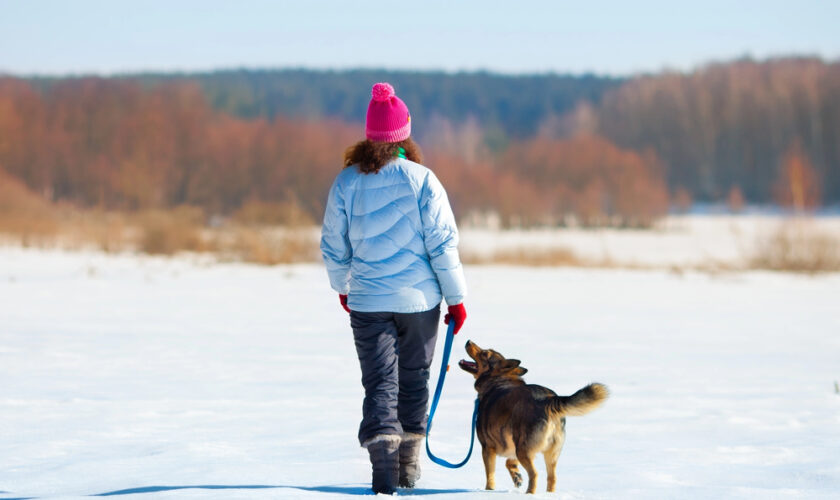
Stepping out into a biting January wind at six in the morning is miserable enough on its own. It becomes an exercise in pure exasperation when you are standing in a snowbank in your slippers, pleading with an eight-pound puppy who has anchored all four paws to the welcome mat and refuses to budge. You wait ten freezing minutes while your puppy shivers violently, stares at you with absolute betrayal, and accomplishes nothing. The moment you give up and step back into the warm house, your puppy trots straight to the living room rug and relieves themselves without hesitation.
Winter potty training is notorious among dog owners for a reason. While spring and summer litters have the luxury of soft green grass, warm sunshine, and leisurely outdoor exploration, winter puppies face an uphill battle against the elements. When a young dog balks at snow, they are rarely acting out of spite or stubbornness. To a puppy, winter represents acute sensory shock, physical discomfort, and genuine instinctual vulnerability.
Transforming those icy standoffs into swift, reliable outdoor bathroom breaks requires shifting your approach from patience alone to structured preparation, physical protection, and targeted incentives.

Understanding the Winter Resistance: Why Puppies Balk at Snow

Before you can fix the behavior, you have to understand what happens to a young dog when they encounter freezing weather. Puppies possess minimal body fat, thin coats, and bellies that sit just inches above the ground. Plunging into a drift of snow is the human equivalent of wading naked through an ice bath.

The Physical Reflex of Cold Ground

Urination and defecation require a dog to relax specific muscle groups. When sub-zero temperatures hit a puppy’s bare paws and icy slush splashes against their underside, their nervous system triggers an involuntary physical reaction: muscles contract, the body shivers to generate heat, and the posture tightens. The physiological relaxation necessary to eliminate becomes nearly impossible while the puppy is locked in a full-body clench.

Disappearing Scent Markers

Canine elimination is heavily scent-driven. Dogs rely on lingering scent cues from previous outings, soil, and decomposing vegetation to trigger the urge to go. A fresh blanket of snow seals away those familiar odors under several inches of frozen insulation. For a young dog whose routine is still fragile, an odorless white blanket looks, feels, and smells like an entirely foreign environment where they do not yet know how to behave.

Sensory Overload and Fear

Snow transforms the acoustics and visuals of your yard. Familiar objects disappear, sounds are muffled, and wind creates sudden, alarming gusts. Depending on your puppy’s temperament, deep snow either triggers intense panic or sudden, frantic overstimulation. Some pups freeze in place out of fear, while others turn into manic snow-plows, biting at snowflakes and tunneling through drifts, completely forgetting the biological urge that brought them outdoors in the first place.

Preparing the Yard: Creating a Winter Elimination Zone

Expecting a tiny puppy to trudge through deep snow to find a spot on their own is setting them up to fail. Your first job as a winter puppy parent is physical landscaping.
Shovel down to the bare earth. Clear a wide pathway from your exit door leading directly to a dedicated relief station. Shovel out a flat square roughly four feet by four feet, clearing away the snow completely until you reach frozen grass, dirt, or pavement. This provides your puppy with stable, flat footing where cold snow is not actively pressing into their belly or tail.
Choose a sheltered perimeter. Wind chill is often a greater deterrent than ground temperature. Establish your puppy’s winter relief area in the most sheltered corner of your property, such as against a tall privacy fence, alongside an exterior brick wall, or behind an evergreen windbreak. Blocking the direct sweep of freezing wind keeps your puppy focused and prevents panic.
Insulate the ground surface. Frozen ground leeches warmth from small paw pads within seconds. To make the cleared area inviting, spread an insulating layer over the bare dirt or ice. A light layer of clean straw, untreated wood shavings, or even a spare piece of artificial turf provides thermal separation between your pup’s feet and the frozen earth. The familiar texture of straw or turf also helps reactivate their elimination instincts.

Equipping Your Puppy for Sub-Zero Trips

Proper winter gear is not about vanity or dressing up your pet; it is functional equipment that keeps their nervous system calm enough to do business.

Core Warmth

A small, single-coated, or short-legged puppy loses body heat rapidly. Invest in a well-fitted, fleece-lined jacket or sweater that wraps snugly around the chest and torso. The jacket must have a high-cut belly line so that it stays dry when the puppy squats or lifts a leg. Wet fabric against bare skin accelerates chilling and will make the next outdoor trip twice as difficult. Put the coat on your puppy a minute or two before opening the door so their core is already warm when the cold air hits.

Paw Protection and Salt Safety

Snow easily packs between delicate toes, forming hard ice balls that stretch the paw pads and cause sharp pain. Furthermore, urban and suburban sidewalks are often coated in chemical de-icers and coarse rock salt that can burn tender footpads.
  • Apply a dense, food-grade paw protection wax to your puppy’s pads before heading out. Wax creates a semi-permeable shield that repels moisture, stops snowballs from sticking to paw hair, and protects against drying salt.
  • If your puppy tolerates footwear, lightweight rubber booties offer complete moisture protection. However, do not introduce booties for the first time during an urgent potty break. Practice wearing them indoors with treats first so your puppy does not freeze in place trying to kick them off in the yard.
  • Keep a clean, damp towel by the entryway. The second you step inside, wipe down your puppy’s paws to remove snow, road salt, and dirt. This prevents stinging and ensures they do not ingest toxic chemical melts by licking their paws clean.

The Winter Potty Protocol: Step by Step

Consistency is the backbone of housebreaking, but winter demands speed and precision. Lengthy, casual sniff-walks are counterproductive in freezing weather.

1. Carry, Do Not Walk

When taking a puppy out in deep winter, pick them up and carry them through the doorway and straight to their designated shoveled relief patch. If you allow a small puppy to walk the whole way, they will waste their brief threshold of tolerance stumbling through drifts, shivering, or trying to turn back toward the warm house. Placing them directly into the target zone conserves their energy and immediately frames the purpose of the trip.

2. Keep Them on a Short Leash

Never let a winter puppy loose in the yard to roam freely. An off-leash puppy will either sprint back to the door or get lost in snowdrifts and lose focus. A standard four-to-six-foot leash keeps your pup centered on the shoveled patch, restricts wandering, and establishes that outdoor trips are purely business. Stand calmly in the center of the patch and let the puppy move in a small circle around you.

3. The Strict Four-Minute Window

Set a strict timer in your head: three to four minutes maximum. If your puppy has not gone within that window, keeping them outside longer will only cause escalating misery and negative associations with cold weather.
If they do not go, calmly pick them up and bring them inside. Do not grant them immediate house freedom. Place them directly into their crate, a playpen, or tether them to your waist via an umbilical leash for ten to fifteen minutes. During this holding period, their bladder remains full, but supervision prevents an accident. Once the holding period is up, carry them straight back out to the cleared patch and try again. Repeat this cycle until they eliminate outside.

4. Deploy High-Value Jackpot Rewards

Standard kibble is rarely enticing enough to overcome the discomfort of freezing temperatures. When training in winter, you must bring out top-tier incentives. Keep moist, aromatic, high-protein treats in a coat pocket where your body heat keeps them warm and fragrant. Small slivers of plain roast chicken, freeze-dried liver, or hot dog work exceptionally well.
The exact second your puppy finishes eliminating, deliver enthusiastic praise and a succession of three to four high-value treats directly to their mouth. Deliver the reward while your puppy is still standing in the snow. If you wait until you walk back inside, your puppy will associate the treat with entering the house rather than relieving themselves in the cold.

Handling Extreme Weather and Common Setbacks

Even the most dedicated training plan runs into complications when severe winter storms, blizzards, or sub-zero polar vortexes arrive.

Navigating Hazardous Wind Chills

When temperatures drop into single digits or sub-zero wind chills, young puppies face a real risk of hypothermia and frostbite within minutes. During severe winter weather advisories, prioritize safety over outdoor perfection.
Set up a temporary indoor transition station in an unheated porch, attached garage, or utility room. Lay down a plastic tarp topped with a tray of fresh sod or clean straw. This keeps the sensory experience of natural substrate intact without exposing a vulnerable puppy to life-threatening wind chills. Once the severe cold front breaks, transition immediately back to your outdoor shoveled zone.

Breaking the Indoor Relief Habit

If your puppy develops a habit of immediately peeing on the rug after coming inside, you are likely leaving the outdoor zone too quickly or missing subtle pre-potty signals. When you return inside after an unsuccessful attempt, do not set the puppy down on carpeting or rugs. Hold them or keep them on a non-porous floor like tile or laminate where you can watch their body language. The moment they drop their tail, circle, or sniff intently, scoop them up mid-motion with a cheerful interruption and head back outside.
Clean every indoor accident thoroughly with a dedicated enzymatic cleaner. Standard household detergents remove visible stains but leave behind microscopic uric acid salts that signal to your puppy that the carpet is an approved indoor bathroom.

Raising a Weatherproof Companion

Winter housebreaking tests the stamina of every dog owner. It requires shivering through dark mornings, shoveling snow paths at midnight, and maintaining discipline when curling up under a warm blanket sounds far more appealing.
Yet there is a distinct silver lining to winter litters. Dogs raised to potty reliably in snow, ice, and biting winds rarely develop the weather sensitivity that plagues dogs raised in mild climates. By protecting your puppy’s physical comfort, clearing their path, and making success unmistakably rewarding, you teach them that winter is manageable. With a week or two of clear, structured execution, your puppy will learn to step outside, finish their business promptly, and trot back inside to the warmth with pride.
read more
DogTrainer

The Counter-Surfing Cure: Training Your Dog to Ignore Kitchen Prep

You turn your back for four seconds to grab the olive oil from the pantry, and the trimmed chicken breast resting on your cutting board vanishes. In its place stands an eighty-pound retriever licking his chops, looking up with an expression of pure, unbothered innocence. Or perhaps your dog is smaller, launching onto their hind legs like a spring-loaded jack-in-the-box the moment a package of cheese crinkles.
Counter-surfing is one of the most maddening habits a pet parent can deal with. It turns weeknight meal preparation into an exhausting game of defensive culinary hockey. You chop onions with one hand while physically blocking the kitchen perimeter with your hip, constantly bracing for the next raid. Worse still, it is dangerous. Between sharp kitchen knives, smoking cast iron skillets, and toxic ingredients like onions, garlic, and chocolate, a dog with vertical ambitions can cause serious harm to themselves in an instant.
Yelling “Off!” after the fact rarely does a thing. Banishing this habit permanently requires understanding the canine brain, eliminating accidental rewards, and teaching an alternative behavior so reliable that your dog chooses their own bed over your kitchen island.

The Anatomy of Counter-Surfing: Why Scolding Fails

Most dog owners tackle counter-surfing with verbal reprimands. You catch your dog with two paws on the granite, clap your hands, shout “No,” and push them off. To a human, that interaction communicates disapproval. To a dog, you have just engaged in a thrilling game of physical tag, or at the very least, rewarded them with direct eye contact and vocal attention.
To fix this behavior, you have to look at the kitchen through the eyes of an opportunistic scavenger.

The Power of Intermittent Reinforcement

In the dog world, counter-surfing is the canine equivalent of a Las Vegas slot machine. A dog might jump up twenty times and find nothing more than a clean sponge or a dry dish towel. But on the twenty-first jump, they hit the jackpot: an unattended stick of butter or a slice of warm sourdough bread.
In behavioral psychology, this is known as a variable schedule of reinforcement. When a behavior produces an unpredictable, high-value payout, that behavior becomes extraordinarily resistant to extinction. Your dog does not care that they struck out twenty times yesterday. They will happily jump thirty times today because the memory of that one stick of butter never fades.

The Flaw of Delayed Correction

Dogs operate strictly in cause-and-effect windows measured in split seconds. If your dog grabs a strip of bacon off the counter, eats it, and you yell at them four seconds later as they swallow, the correction is functionally useless. In your mind, you are punishing the theft. In the dog’s mind, they were rewarded with delicious pork, and now their human is acting erratic for no apparent reason. The food has already reinforced the jump, rendering any subsequent scolding entirely meaningless.

Phase One: Bulletproof Environmental Management

You cannot train a dog out of a self-rewarding behavior while continuing to give them opportunities to practice it. Every single time your dog succeeds in swiping a crumb from the counter, your training resets to zero. Before you pick up a clicker or a treat pouch, you must enforce total environmental lockdown.
The clear-counter standard. Kitchen surfaces must be kept entirely barren when not in active use. This means no cooling cookies sitting under plastic wrap, no butter dishes on the island, and no bread bags left on the perimeter. If food must thaw, thaw it inside the microwave, the refrigerator, or an upper cabinet. Wipe down counters immediately after cooking to remove aromatic cooking grease that encourages scent-driven investigations.
Physical barriers. During the initial weeks of training, your dog should not have unmonitored access to the kitchen. Use freestanding baby gates, tension gates, or closed pocket doors to block entryways. If you have an open-concept floor plan that resists gating, use a designated exercise pen or keep your dog tethered to your waist on a hands-free leash when you are not actively working on training drills.
Management is not a cop-out; it is the scaffolding that allows new habits to take root. If your dog cannot physically reach the counters, they stop checking the counters.

Teaching the Incompatible Behavior: The “Place” Command

You cannot simply tell a dog what not to do. Nature abhors an instructional vacuum. If you take away counter-surfing, you must provide a concrete, highly rewarded job to replace it. The most effective antidote to kitchen chaos is teaching a rock-solid place command.
The premise is straightforward: your dog cannot have their paws on the kitchen counter if their entire body is lying flat on an orthopedic dog bed across the room.

Selecting and Positioning the Station

Choose a dedicated mat, cot, or flat dog bed with clear visual and physical edges. Raised elevated beds work exceptionally well because the physical drop-off at the edge gives the dog clear tactile feedback about their boundaries.
Position this bed outside the immediate kitchen footprint, but keep it within the dog’s line of sight. Dogs surf counters partly for food, but also partly because the kitchen is the operational hub of the house. If you banish your dog to a distant laundry room, they will fight to rejoin the action. Placing their mat six to ten feet away allows them to watch the dinner theater without being in your way.

Building Duration and Value

Do not expect your dog to hold this position while you roast a Thanksgiving turkey on day one. You must build duration gradually, away from mealtime distractions.
Lure your dog onto the bed, cue “Place,” and mark the exact moment all four paws settle on the fabric with a crisp verbal marker like “Yes” or a clicker. Immediately deliver a high-value treat between their front paws.
Keep your treat delivery low to the surface of the mat; you want the mat itself to feel like a magnet. Release them with a cheerful break word like “Free” and toss a piece of kibble away from the bed.
Gradually stretch the duration: five seconds, ten seconds, thirty seconds, two minutes. The rule of thumb during this phase is simple: deliver the reward to the dog on the mat, never call the dog off the mat to receive food. The bed is where all good things happen.

Proofing in the Danger Zone: The Kitchen Ladder

Once your dog understands that the mat is a high-yield zone during quiet training sessions, you must systematically introduce kitchen-specific triggers. Think of this as climbing a ladder, starting with low-arousal prep work and culminating in full-course dinner preparation.

Step 1: Low-Aroma Cold Prep

Equip yourself with a training pouch filled with bite-sized pieces of boiled chicken or string cheese. Send your dog to their place mat.
Walk over to your cutting board and perform a low-value task: wash an apple, slice a cucumber, or tear lettuce. Turn around, walk directly to their bed, and feed them. Return to your cutting board, chop another vegetable, and return to feed them again.
You are teaching your dog an unexpected pattern: your work at the kitchen counter predicts treats appearing on their bed, not from the kitchen edge. Keep these initial sessions under five minutes.

Step 2: The Sound and Motion Triggers

Dogs often respond to auditory cues before they ever catch a scent. The crackle of plastic deli wrappers, the thud of a butcher knife on wood, or the opening of the refrigerator door are classic action cues that send dogs sprinting into the kitchen.
With your dog stationed on their place mat, simulate these noises:
  • Open and close the refrigerator door, then immediately reward on the mat.
  • Rattle a plastic bag, then immediately reward on the mat.
  • Bang a stainless steel pot lightly on the stove, then reward on the mat.
If your dog breaks position and runs toward you, remain calm. Do not scold them. Simply close the pantry or set down the utensil, step into the dog’s space with your body, and calmly guide them back to their station using their collar or a light leash. Reset the drill, take one step backward in difficulty, and try again.

Step 3: High-Scent Cooking

The ultimate test of impulse control involves cooking actual proteins. Sizzling ground beef, frying bacon, or searing fish will flood your home with irresistible scents that challenge your dog’s self-control.
During the first several high-scent dinners, give your dog a long-lasting, focused project on their mat rather than relying entirely on sporadic treats. A frozen rubber toy stuffed with canned meat, peanut butter, and Greek yogurt can occupy a dog for thirty to forty-five minutes.
By pairing the smell of active cooking with an intense, licking-focused activity on their designated bed, you build an automatic associative response: when food is cooking on the stove, my job is to settle on my bed and work on my own puzzle.

The “Oops” Protocol: Handling Dropped Food

Every cook drops food eventually. A slippery piece of raw meat falls from the counter, bounces off your foot, and lands squarely on the tile floor. In an untrained household, this triggers a desperate, chaotic race between human hands and canine teeth.
To keep your kitchen safe, you must establish an absolute rule: dropped food is never fair game.
Practice intentional drop drills outside of actual cooking sessions. With your dog sitting on a leash a few feet away, hold a low-value piece of food, like a baby carrot or a slice of bell pepper. Drop it onto the floor while giving a firm “Leave it” cue.
Cover the dropped food with the sole of your shoe if the dog lunges toward it. The second your dog pulls their nose back and looks up at your face, mark the eye contact and deliver a completely different, much tastier treat from your hand or pouch.
With repetition, your dog learns that ignoring floor spills leads to a superior reward. When an accidental drop happens during actual meal prep, your dog will hesitate and look to you for guidance rather than diving headfirst beneath your feet.

Consistency Across the Household

The greatest enemy of counter-training is inconsistency. If one family member strictly enforces the boundary while another sneakily feeds the dog scraps from the prep board, your training will stall. Dogs are masters of discrimination; they will quickly learn which humans allow counter-grazing and which do not.
Convene a quick family meeting and establish ground rules:
  • No food is ever given directly from the cutting board, counter, or dining table.
  • All kitchen rewards must travel from your hand to the dog’s mat or bowl.
  • If someone is unable to supervise during meal prep, the dog must be placed behind a gate or in their crate with a chew.
Overcoming counter-surfing is rarely a matter of weeks; it is a gradual rewiring of an ancient predatory instinct. But when you replace aimless scolding with strict management, clear boundaries, and valuable alternative jobs, your kitchen changes completely. You get to chop, simmer, and bake in absolute peace, knowing your food is safe and your dog is resting happily in their own lane.
read more