
close

July 2026

Pet

Wheel Dangers: Why Wire Mesh Causes Bumblefoot in Small Pets

The steady, rhythmic whirl of an exercise wheel spinning in the dead of night is a familiar soundtrack for anyone sharing a home with small exotic mammals. To a pet parent, that sound represents vitality, contentment, and healthy energy expenditure. Small rodents like hamsters, fancy rats, mice, gerbils, and hedgehogs possess an astonishing physiological drive to run, routinely covering several miles in a single evening. Because running is so fundamentally woven into their instinctual well-being, providing an exercise wheel feels like the most basic, responsible choice an owner can make.
Yet inside thousands of cages and enclosures, the very device bought to promote physical health is actively destroying it. Despite decades of veterinary warnings, pet supply aisles remain stocked with cheap, traditional exercise wheels constructed from open metal wire rungs or crisscrossed wire mesh. These designs are marketed as durable, easy to clean, and chew-proof. In reality, they are severe mechanical hazards that systematically wear down delicate footpads, pave the way for excruciating bacterial infections, and leave animals permanently crippled.
At the center of this veterinary issue sits ulcerative pododermatitis, commonly known as bumblefoot. Understanding why wire running surfaces trigger this agonizing condition is the first step toward transforming your pet’s enclosure from a hazardous obstacle course into a genuinely safe environment.

The Fragile Architecture of Small Animal Paws

To recognize why metal mesh is so destructive, you have to appreciate the delicate anatomical engineering of a small animal’s foot. Unlike humans, who walk upright with cushioned athletic shoes or thick plantar heels, or predatory animals equipped with dense, shock-absorbing leather pads, small prey animals have exceptionally thin, sensitive footpads.
The plantar surface of a hamster, rat, or hedgehog foot consists of a thin epithelial layer resting over minimal subcutaneous adipose tissue. Beneath this slight cushion of fat sit fine tendon sheaths, blood vessels, and tiny metatarsal or metacarpal bones.
These paws are evolutionary marvels designed for natural substrates: traversing loose, yielding forest loam, scrambling over soft soil, burrowing through decaying leaf litter, and navigating fibrous plant matter. They were never biologically engineered to endure repetitive, high-impact mechanical strikes against hard, unyielding, non-compliant steel wire. When an animal runs on an open metal grid, the normal mechanics of locomotion break down completely.

The Biomechanics of Wire Mesh: How Metal Rungs Inflict Trauma

The damage inflicted by a wire wheel does not happen all at once. It is a slow, compounding erosion driven by physics, friction, and hygiene. Every nighttime running session subjects a pet’s paws to hundreds of thousands of micro-collisions that set the stage for severe tissue failure.

Point Pressure Concentration

The most destructive physical characteristic of a wire wheel is the radical reduction of contact surface area. When an animal steps on a flat, solid floor, their body weight is evenly dispersed across the entire plantar surface of the footpad and toes.
When that same animal runs on a wire mesh or rung wheel, their entire body weight is driven into razor-thin lines of metal only a fraction of a millimeter wide. This creates intense, localized point pressure. Instead of a broad, cushioned dispersal of kinetic force, every stride acts like a miniature hammer strike focused squarely on a minuscule ridge of skin. Over the course of five or six miles a night, this unnatural pressure cuts off localized capillary blood flow, depriving the skin cells of oxygen and starving the underlying tissue.

Repetitive Friction and Micro-Abrasions

Wire mesh wheels do not provide smooth, predictable traction. As an animal sprints, their paws inevitably shift, catch, and slide across the tiny openings and raised welds of the mesh.
This introduces severe shearing forces. The metal edges act like high-grit sandpaper against the thin epidermis. The repetitive scraping strips away the outer stratum corneum, creating invisible micro-fissures and rough calluses. Over time, the skin loses its natural elasticity, begins to peel, and cracks open, exposing raw, vulnerable dermal tissue to the outside environment.

The Sanitation Paradox and Bacterial Inundation

Many owners purchase wire wheels believing they are more hygienic because waste falls through the openings into the bedding below. In practice, the opposite occurs.
Rodents and hedgehogs routinely urinate and defecate while running at top speed. Sticky fecal matter and urine do not vanish through the gaps; they coat the wire rungs, crossbars, and mesh intersections. As urine sits on metal, it oxidizes and corrodes the coating, transforming smooth wire into a pitted, rough surface that traps bacterial colonies.
When an animal runs on this contaminated surface with paws already covered in micro-tears, bacteria find a direct, uninhibited pathway straight into the bloodstream and deep tissue. The primary culprit is almost always Staphylococcus aureus, an opportunistic pathogen that thrives on compromised skin, though Streptococcus and Pseudomonas species frequently join the assault.

The Progression of Bumblefoot: From Mild Irritation to Bone Infection

Ulcerative pododermatitis is not a static rash; it is a progressive, invasive disease that escalates through distinct clinical stages if left unchecked.
In the initial stage, the foot displays mild erythema, or redness. The skin on the heels or toe pads looks thin, shiny, and slightly inflamed, often accompanied by local hair loss. An inattentive owner rarely notices this phase because small animals instinctively hide signs of vulnerability. The pet continues to run, further aggravating the tissue.
In the intermediate stage, the skin breaks open completely. Raw, weeping ulcers develop, typically covered by dark, crusted scabs. The foot swells as the immune system floods the area with white blood cells. Walking becomes visibly uncomfortable; the animal may limp, lift a leg while grooming, or hesitate before climbing. Because rodents cannot express pain through facial expressions, their distress manifests as irritability, decreased appetite, and uncharacteristic aggression when handled.
In the advanced, severe stage, the infection breaches the subcutaneous layers and attacks deep structural tissue. Chronic, pus-filled abscesses form within the footpad, distorting the anatomy of the foot. The infection travels upward along the tendon sheaths, eventually penetrating the periosteum of the foot bones, a catastrophic condition known as osteomyelitis.
Once the bone becomes infected and necrotic, the damage is frequently irreversible. The joints fuse, the foot permanently deforms, and systemic sepsis threatens the animal’s life. At this point, aggressive veterinary intervention, including systemic antibiotics, surgical debridement, or complete limb amputation, becomes the only option to save the pet from a agonizing death.

Secondary Hazards: Entanglement and Skeletal Trauma

While bumblefoot is the primary chronic consequence of wire wheels, it is far from the only danger. Wire wheels are notorious in veterinary emergency rooms for causing acute orthopedic trauma.
Open-wire wheels frequently utilize a central metal axle with support struts that slice through the interior space like the blades of a dull fan. When an animal runs at high speed, a single misstep can send a foot, toe, or tail slipping through the gaps between the rungs.
The spinning momentum of the wheel does not stop when a limb gets caught. As the wheel continues to rotate under the weight of the animal’s body, the limb is wrenched against the support bars. This scissor effect leads to severe compound fractures, dislocated joints, ripped toenails, and traumatic tail amputations. Many small pets have lost entire toes or suffered broken leg bones simply because a foot slipped through a wire rung while running in the dark.

Replacing the Hazard: What a Safe Wheel Looks Like

No small animal should ever be forced to run on wire. Fortunately, providing a safe, enriching running experience does not require expensive, highly specialized equipment; it simply requires choosing products designed around proper biomechanics.
Solid running surfaces. The absolute golden rule of exercise wheels is an entirely solid, continuous running track. Look for wheels manufactured from thick, high-impact, chew-resistant plastic, smooth acrylic, or non-toxic sealed wood. A solid floor allows the animal’s footpads to make full, flat contact with the surface, distributing weight naturally and eliminating point pressure. There are no gaps for toes to slip through and no rough metal welds to scrape away skin.
Axle-free engineering. Modern wheel designs have largely phased out central crossbars. Choose a wheel that features a solid back wall and mounts directly to the cage wall or a heavy floor stand from the rear. Without an axle running through the running channel, the scissor effect is completely eliminated, making it impossible for a running pet to crush or sever a limb.
Proper diameter for spinal alignment. Wheel safety goes beyond surface texture; sizing matters immensely. When an animal runs in a wheel that is too small, their spine is forced into a continuous backward arch. Over months, this unnatural spinal curvature causes severe vertebrae compression, chronic lumbar pain, and compensatory gait changes that place abnormal pressure back onto the heel pads.
As a general guideline:
  • Mice and dwarf hamsters require a minimum wheel diameter of eight inches.
  • Syrian hamsters, gerbils, and small degus require a minimum diameter of ten to twelve inches.
  • Rats, hedgehogs, and chinchillas require large running wheels spanning twelve to fifteen inches, or spacious, solid flying-saucer treadmills.
When your pet is running at full stride, their back should remain entirely straight from the base of the skull to the tip of the tail.

Hygiene, Bedding, and Preventive Paw Care

Switching to a solid wheel eliminates the primary mechanical cause of bumblefoot, but maintaining healthy paws requires a holistic look at the entire cage environment.
Solid wheels need routine cleaning. Because waste does not fall through, urine and droppings will accumulate along the running track. Wipe down your pet’s solid wheel daily with a warm, damp cloth or a pet-safe, non-toxic enzymatic cleaner to keep bacteria counts near zero.
Substrate selection is equally important. Hard, abrasive bedding materials, such as cheap wood shavings, dusty sawdust, or crushed walnut shells, can cause localized skin irritation that mirrors the early stages of bumblefoot.
House your pets on deep, soft substrates such as virgin unbleached paper bedding, kiln-dried aspen shavings, or smooth, washable fleece liners. Soft bedding cushions feet when the pet lands from jumps and allows natural burrowing behaviors that keep footpads clean, dry, and well-aerated.
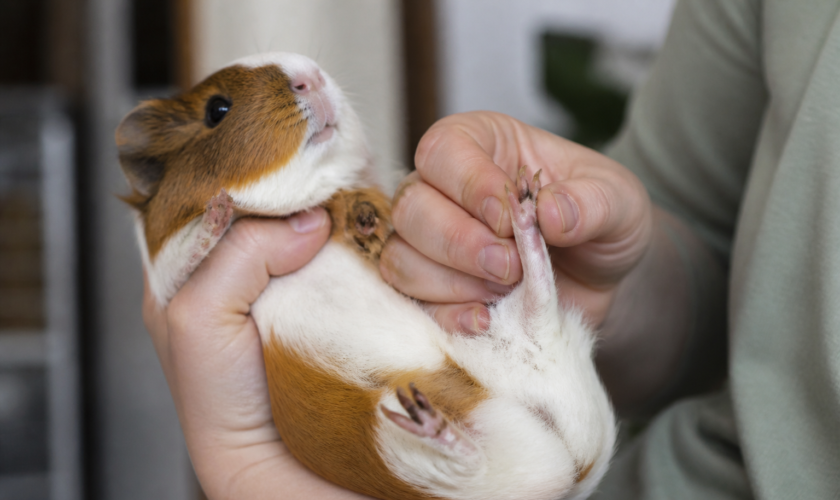
Make weekly paw checks a permanent part of your care routine. Gently cup your pet in your hand, turn them over in good lighting, and inspect the bottoms of all four paws. Look for:
  • Unusual redness or pale, hardened calluses.
  • Flaking, cracked skin or localized swelling.
  • Tiny scabs, dark spots, or dried discharge.
  • Resistance or squeaking when you gently touch the footpad.
Catching pododermatitis during the early redness stage allows you to resolve the problem simply by correcting the environment and applying soothing, vet-approved barrier balms. Once deep ulcers form, resolution requires professional veterinary care, prescription anti-inflammatory medications, systemic antibiotics, and daily antiseptic foot soaks.

Prioritizing Prevention Over Tradition

The enduring popularity of wire mesh wheels is a frustrating relic of outdated pet care standards. For decades, retail manufacturers prioritized cheap production costs and easy packaging over basic animal safety, normalizing equipment that poses an unacceptable threat to small pets.
Exercise should be a source of joy, mental enrichment, and vibrant health for your animals, not a pathway to chronic pain and crippling bacterial infections. By ditching the wire grates in favor of large, solid-surface, axle-free wheels, you remove one of the most dangerous hazards in companion animal care. Your pet gets to log their nightly miles in total safety, and you get to enjoy the quiet hum of their wheel with complete peace of mind.
read more
Pet Care

Saving Your Sofa: Redirecting a Cat That Scratches Leather Furniture

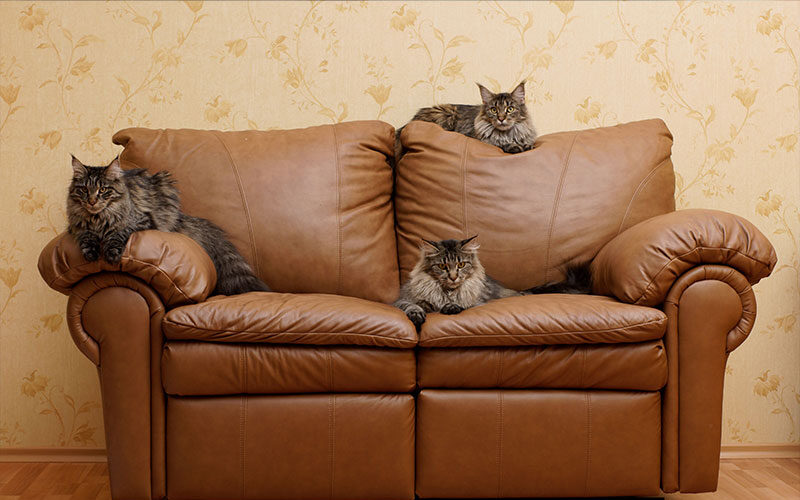
Few household sounds produce a sudden spike of adrenaline quite like the rhythmic, hollow crunch of cat claws sinking into supple leather. You dash into the living room only to find your cat fully extended, hind legs braced against the rug, methodically perforating the rolled arm of an expensive leather sofa. A split second of human hesitation leaves behind a cluster of pale, jagged punctures that no amount of leather conditioner can erase.
Leather furniture represents a substantial investment, which makes feline vandalism feel particularly personal. The instinctual human response is often loud and emotional: a startled shout, a clap of the hands, or an exasperated lunge across the room with a spray bottle. Yet reacting with anger or panic accomplishes nothing. To your cat, that sofa corner is not a luxury centerpiece or an heirloom investment. It is an exquisitely placed, structurally sound scratching station that fulfills non-negotiable biological and communication drives.
Protecting your leather does not mean banishing your cat from common areas or resigning yourself to shredded upholstery hidden under bedsheets. Saving your sofa requires understanding the mechanics of feline clawing, providing replacement surfaces that rival the appeal of leather, and systematically reshaping your cat’s territorial habits.

The Feline Perspective: Why Leather Attracts Claws

Scratching is often misunderstood as destructive mischief or a simple grooming routine. While removing old nail husks is part of the equation, the behavior is far more complex, combining physical conditioning, stress regulation, and sophisticated scent communication.

Territorial Billboards and Scent Marking

Cats are intensely visual and chemical communicators. Tucked between the pads of their paws are interdigital glands that secrete unique pheromones. When a cat drags their claws down a surface, they leave behind two distinct territorial messages at once: a bold visual gouge that screams occupancy to any passing animal, and a chemical signature that reinforces their sense of security within the territory.
Furniture placed in high-traffic communal zones, such as the living room sofa, naturally becomes a target. The living room carries the strongest concentration of your scent, alongside the scents of visitors, other pets, and outdoor stimuli drifting through windows. By scratching the primary furniture pieces in this shared space, your cat is effectively co-signing the lease. They are blending their scent profile with yours to create a comforting communal scent boundary.

Somatic Stretching and Keratin Shedding

A cat’s claws grow in continuous layers, similar to an onion. As fresh keratin forms underneath, the dull, brittle outer sheath must be sloughed away to reveal a razor-sharp point. Scratching provides the mechanical friction necessary to peel away these dead sheaths.
Simultaneously, the physical act of scratching serves as an essential somatic exercise. Cats anchor their front claws deeply into a stable substrate so they can pull backward against their own weight. This action extends their spine, releases tension throughout the shoulders and upper back, and keeps the flexor tendons of their paws conditioned for balance and agility.

The Specific Tactile Allure of Leather

Woven fabrics provide threads that catch and pull, which many cats love. Leather, however, offers an entirely different tactile feedback loop. It is smooth, slightly cool, and stretched taut over firm wooden frames and dense foam padding.
When a cat tests leather, their claws sink into the material with minimal resistance before meeting the firm underlying cushion. There are no loose threads to snag a toe, and the puncture creates a distinct, satisfying pop. Moreover, real leather retains natural animal oils and aromas that pique a predator’s curiosity. Once a cat realizes that a leather sofa corner does not wobble or tip when pulled with full body weight, that piece of furniture becomes prime real estate.

Choosing the Right Alternatives: The Match-and-Upgrade Strategy

The most common mistake owners make when attempting to redirect a cat is buying a flimsy, carpet-covered post from a supermarket and sticking it in a quiet corner of the house. That post will sit ignored while the leather sofa continues to take the beating.
To win your cat away from leather, your alternative scratching posts must match the structural integrity and spatial importance of the sofa, while offering superior tactile satisfaction.

Prioritize Height and Unshakable Stability

Watch your cat scratch the sofa. Notice how they extend their spine to full length, stretching their front legs as high as possible while planting their rear feet firmly on the floor.
If you provide a replacement post that is only eighteen inches tall, your cat cannot achieve that full-body extension. If the post has a narrow, lightweight base that wobbles or tips when twenty pounds of kinetic force pulls against it, the cat will immediately abandon it for the immovable stability of the sofa.
Choose a vertical post that stands at least thirty to thirty-six inches tall with a wide, heavy wooden base. The post must remain rigid under significant lateral tension. If you push the top of the post with your finger and it rocks, add a flat cast-iron plate beneath the base or secure it to a wall.

Select Superior Textures Over Carpet

Many commercial cat trees are wrapped in standard loop carpet. This is problematic for two reasons: the carpet fibers easily snag claw sheaths, causing pain, and it teaches your cat that home textiles are appropriate scratching surfaces.
Instead, provide materials that offer clean, satisfying resistance:
  • Woven Sisal Fabric: Far superior to wound sisal rope. Woven sisal cloth allows claws to slide through the weave without catching, delivering a smooth, shreddable pull that mimics tree bark.
  • Real Wood Logs or Cedar Posts: Some cats that target leather crave the natural, unyielding density of natural wood. A debarked cedar post or untreated split log brings an outdoor tactile experience inside.
  • Dense Corrugated Cardboard: High-density, multi-layer cardboard provides a crisp, crunching feedback loop under the claws that many cats find even more addictive than leather.

Strategic Placement: The Micro-Location Principle

Location is frequently the deciding factor between a used scratcher and a neglected one. In the cat world, a scratcher placed in a spare bedroom or hidden behind a bookshelf does not exist. The mark must be visible in the social hub of the home.
Place your new, heavy-duty scratching post directly in front of the specific sofa corner your cat currently targets. The post should physically block their approach to the damaged leather. If your cat has to squeeze past a towering, ultra-stable sisal post to touch the leather, the sisal post will intercept their visual and physical path.
Leave the post directly against the sofa for several weeks. Once your cat is using the new post exclusively, you can begin moving it away if desired. However, you must move it incrementally: no more than three to four inches per day. If you move it across the room in a single afternoon, your cat will simply default back to the nearest immovable vertical surface: your sofa.

Shielding the Leather Without Causing Ruin

While you establish alternative habits, you must remove the sofa’s tactile reward. If your cat can still plunge their claws into the leather whenever you leave the room, the variable reinforcement cycle continues.
Protecting leather requires extra care because adhesives, tape residues, and chemical sprays can strip delicate leather finishes and cause permanent discoloration.

Rigid Acrylic Guard Panels

The most effective, leather-safe physical barrier is a set of clear, rigid acrylic furniture shields. Unlike adhesive vinyl sheets that peel away the leather’s protective topcoat upon removal, rigid acrylic shields can be hung or slipped under the sofa cushions without touching the leather with glue.
The smooth, hard surface of acrylic provides zero traction for claws. When your cat approaches to scratch, their paws slide down the slick surface without puncturing anything. Robbed of the tactile purchase they crave, cats quickly lose interest in that specific access point.

Temporary Drape Barriers

If rigid guards are not an option for your furniture’s shape, drape heavy, slick blankets or tightly woven quilted moving pads over the vulnerable arms and corners. Tuck the fabric deeply into the cushion crevices to keep it taut. A thick canvas drop cloth or a heavy throw blanket prevents claws from reaching the leather beneath while changing the texture of the corner into something far less appealing.

Scent-Based Deterrents (Applied Responsibly)

Cats possess an extraordinary olfactory sense and naturally dislike intense citrus, rosemary, and eucalyptus scents. However, you must never spray essential oils or acidic citrus liquids directly onto genuine leather; the acids and oils can stain, dry out, or degrade the hide.
Instead, spray a diluted citrus or botanical deterrent onto clean cotton washcloths or ribbon strips, allow them to air-dry slightly until they are damp rather than soaking wet, and pin or drape those cloths across the sofa corners. The aroma will create a perimeter scent barrier that repels the cat’s sensitive nose without exposing the leather grain to moisture damage.

Rewiring the Routine: Positive Reinforcement and Maintenance

Deterrents only solve half the equation. To build permanent domestic peace, you must make using the proper scratching station the most rewarding part of your cat’s daily routine.

Catching the Good Behavior

Never carry your cat to a new scratching post and manually drag their paws down the sisal. Cats dislike having their limbs manipulated, and forcing the motion creates negative friction with the object you want them to love.
Instead, make the post naturally enticing. Rub high-grade catnip or silvervine powder into the woven fibers of the post, or trail a feather wand up the side of the sisal column so your cat sinks their claws into the material during play.
Keep a jar of premium, meat-based treats near the sofa. Whenever you notice your cat approach the post and begin scratching, remain calm and quiet. Wait until they finish their stretch, then immediately offer verbal praise and deliver a high-value treat right at the base of the post. With consistent repetition, your cat learns that interacting with the post yields a direct culinary reward, whereas approaching the shielded leather yields nothing.

Routine Claw Trimming

A disciplined claw-care schedule dramatically lowers the stakes while your training takes hold. An untrimmed claw functions like a curved needle, penetrating leather on the slightest contact. A freshly blunted claw, by contrast, slides off leather surfaces with minimal damage.
Trim your cat’s front claws every ten to fourteen days. Use a dedicated, sharp scissor-style pet nail trimmer:
  1. Handle your cat’s paws during calm, sleepy moments, offering treats for simply allowing their toes to be gently squeezed.
  2. Press gently on the center pad to extend the claw outward.
  3. Locate the pink triangle inside the nail known as the quick, which contains blood vessels and nerves.
  4. Snip only the clear, hooked tip of the claw, staying several millimeters away from the pink tissue.
If your cat resists full sessions, do not force the issue. Trim two or three nails while they nap, reward them, and finish the remaining paws later in the day. Keeping the tips blunt ensures that an accidental jump or brief investigative tap will not leave an indelible mark on your leather.

Addressing Existing Leather Damage

Once your cat has transitioned to their designated posts, you can assess the salvageability of the furniture. Small, clean puncture marks from blunted claws can often be improved significantly at home:
Use a high-grade leather conditioner and recoloring balm matched to your furniture’s dye lot. Massaging rich conditioner into the puncture zones softens the stretched edges of the leather fibers, allowing the holes to contract and visually blend into the natural grain.
For deep tears or shredded corners where the fibrous suede layer beneath has been exposed, avoid messy do-it-yourself glues that cure into hard, sharp lumps. Contact a mobile leather restoration specialist. Professional technicians can apply sub-patches, sand frayed leather fibers flat, inject flexible water-based binders, and airbrush custom-matched color pigments, restoring the structural integrity of your sofa arm so effectively that the previous damage becomes virtually undetectable.

The Long-Term Balance

Living happily with cats does not require sacrificing an eye for interior design or settling for battered furniture. It simply demands that we stop viewing scratching as an act of defiance and start managing it as the biological necessity it is.
When you install sturdy, well-textured posts in the rooms where your family actually spends time, shield vulnerable corners with slick barriers, and keep claws neatly maintained, the conflict evaporates. Your cat retains their essential outlets for marking, stretching, and conditioning their body, while your leather sofa remains the pristine, elegant centerpiece of your living room for years to come.
read more