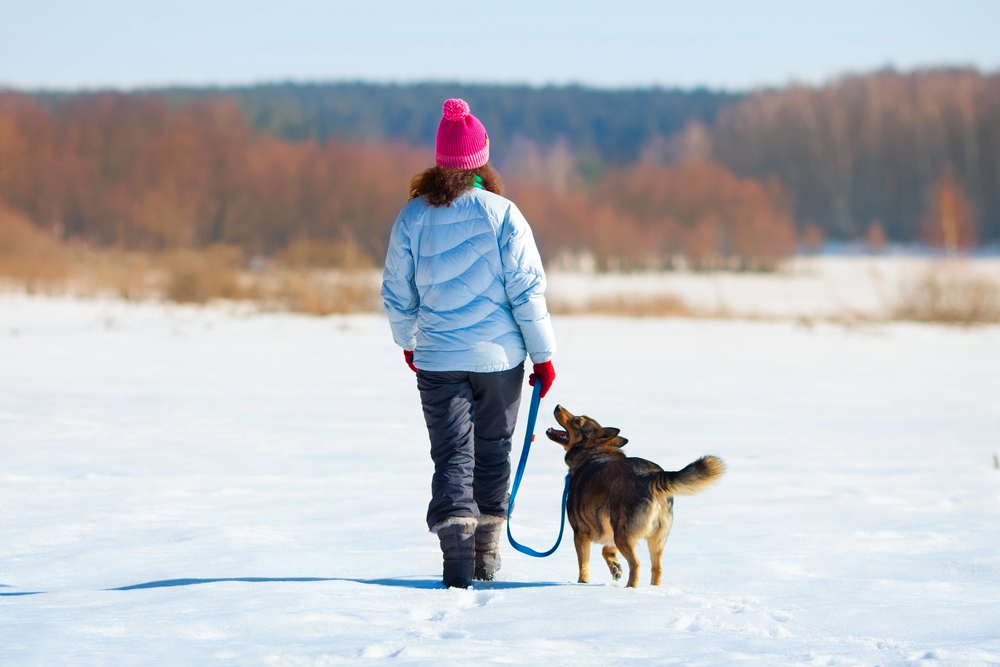
Stepping out into a biting January wind at six in the morning is miserable enough on its own. It becomes an exercise in pure exasperation when you are standing in a snowbank in your slippers, pleading with an eight-pound puppy who has anchored all four paws to the welcome mat and refuses to budge. You wait ten freezing minutes while your puppy shivers violently, stares at you with absolute betrayal, and accomplishes nothing. The moment you give up and step back into the warm house, your puppy trots straight to the living room rug and relieves themselves without hesitation.
Winter potty training is notorious among dog owners for a reason. While spring and summer litters have the luxury of soft green grass, warm sunshine, and leisurely outdoor exploration, winter puppies face an uphill battle against the elements. When a young dog balks at snow, they are rarely acting out of spite or stubbornness. To a puppy, winter represents acute sensory shock, physical discomfort, and genuine instinctual vulnerability.
Transforming those icy standoffs into swift, reliable outdoor bathroom breaks requires shifting your approach from patience alone to structured preparation, physical protection, and targeted incentives.
Understanding the Winter Resistance: Why Puppies Balk at Snow
Before you can fix the behavior, you have to understand what happens to a young dog when they encounter freezing weather. Puppies possess minimal body fat, thin coats, and bellies that sit just inches above the ground. Plunging into a drift of snow is the human equivalent of wading naked through an ice bath.
The Physical Reflex of Cold Ground
Urination and defecation require a dog to relax specific muscle groups. When sub-zero temperatures hit a puppy’s bare paws and icy slush splashes against their underside, their nervous system triggers an involuntary physical reaction: muscles contract, the body shivers to generate heat, and the posture tightens. The physiological relaxation necessary to eliminate becomes nearly impossible while the puppy is locked in a full-body clench.
Disappearing Scent Markers
Canine elimination is heavily scent-driven. Dogs rely on lingering scent cues from previous outings, soil, and decomposing vegetation to trigger the urge to go. A fresh blanket of snow seals away those familiar odors under several inches of frozen insulation. For a young dog whose routine is still fragile, an odorless white blanket looks, feels, and smells like an entirely foreign environment where they do not yet know how to behave.
Sensory Overload and Fear
Snow transforms the acoustics and visuals of your yard. Familiar objects disappear, sounds are muffled, and wind creates sudden, alarming gusts. Depending on your puppy’s temperament, deep snow either triggers intense panic or sudden, frantic overstimulation. Some pups freeze in place out of fear, while others turn into manic snow-plows, biting at snowflakes and tunneling through drifts, completely forgetting the biological urge that brought them outdoors in the first place.
Preparing the Yard: Creating a Winter Elimination Zone
Expecting a tiny puppy to trudge through deep snow to find a spot on their own is setting them up to fail. Your first job as a winter puppy parent is physical landscaping.
Shovel down to the bare earth. Clear a wide pathway from your exit door leading directly to a dedicated relief station. Shovel out a flat square roughly four feet by four feet, clearing away the snow completely until you reach frozen grass, dirt, or pavement. This provides your puppy with stable, flat footing where cold snow is not actively pressing into their belly or tail.
Choose a sheltered perimeter. Wind chill is often a greater deterrent than ground temperature. Establish your puppy’s winter relief area in the most sheltered corner of your property, such as against a tall privacy fence, alongside an exterior brick wall, or behind an evergreen windbreak. Blocking the direct sweep of freezing wind keeps your puppy focused and prevents panic.
Insulate the ground surface. Frozen ground leeches warmth from small paw pads within seconds. To make the cleared area inviting, spread an insulating layer over the bare dirt or ice. A light layer of clean straw, untreated wood shavings, or even a spare piece of artificial turf provides thermal separation between your pup’s feet and the frozen earth. The familiar texture of straw or turf also helps reactivate their elimination instincts.
Equipping Your Puppy for Sub-Zero Trips
Proper winter gear is not about vanity or dressing up your pet; it is functional equipment that keeps their nervous system calm enough to do business.
Core Warmth
A small, single-coated, or short-legged puppy loses body heat rapidly. Invest in a well-fitted, fleece-lined jacket or sweater that wraps snugly around the chest and torso. The jacket must have a high-cut belly line so that it stays dry when the puppy squats or lifts a leg. Wet fabric against bare skin accelerates chilling and will make the next outdoor trip twice as difficult. Put the coat on your puppy a minute or two before opening the door so their core is already warm when the cold air hits.
Paw Protection and Salt Safety
Snow easily packs between delicate toes, forming hard ice balls that stretch the paw pads and cause sharp pain. Furthermore, urban and suburban sidewalks are often coated in chemical de-icers and coarse rock salt that can burn tender footpads.
-
Apply a dense, food-grade paw protection wax to your puppy’s pads before heading out. Wax creates a semi-permeable shield that repels moisture, stops snowballs from sticking to paw hair, and protects against drying salt.
-
If your puppy tolerates footwear, lightweight rubber booties offer complete moisture protection. However, do not introduce booties for the first time during an urgent potty break. Practice wearing them indoors with treats first so your puppy does not freeze in place trying to kick them off in the yard.
-
Keep a clean, damp towel by the entryway. The second you step inside, wipe down your puppy’s paws to remove snow, road salt, and dirt. This prevents stinging and ensures they do not ingest toxic chemical melts by licking their paws clean.
The Winter Potty Protocol: Step by Step
Consistency is the backbone of housebreaking, but winter demands speed and precision. Lengthy, casual sniff-walks are counterproductive in freezing weather.
1. Carry, Do Not Walk
When taking a puppy out in deep winter, pick them up and carry them through the doorway and straight to their designated shoveled relief patch. If you allow a small puppy to walk the whole way, they will waste their brief threshold of tolerance stumbling through drifts, shivering, or trying to turn back toward the warm house. Placing them directly into the target zone conserves their energy and immediately frames the purpose of the trip.
2. Keep Them on a Short Leash
Never let a winter puppy loose in the yard to roam freely. An off-leash puppy will either sprint back to the door or get lost in snowdrifts and lose focus. A standard four-to-six-foot leash keeps your pup centered on the shoveled patch, restricts wandering, and establishes that outdoor trips are purely business. Stand calmly in the center of the patch and let the puppy move in a small circle around you.
3. The Strict Four-Minute Window
Set a strict timer in your head: three to four minutes maximum. If your puppy has not gone within that window, keeping them outside longer will only cause escalating misery and negative associations with cold weather.
If they do not go, calmly pick them up and bring them inside. Do not grant them immediate house freedom. Place them directly into their crate, a playpen, or tether them to your waist via an umbilical leash for ten to fifteen minutes. During this holding period, their bladder remains full, but supervision prevents an accident. Once the holding period is up, carry them straight back out to the cleared patch and try again. Repeat this cycle until they eliminate outside.
4. Deploy High-Value Jackpot Rewards
Standard kibble is rarely enticing enough to overcome the discomfort of freezing temperatures. When training in winter, you must bring out top-tier incentives. Keep moist, aromatic, high-protein treats in a coat pocket where your body heat keeps them warm and fragrant. Small slivers of plain roast chicken, freeze-dried liver, or hot dog work exceptionally well.
The exact second your puppy finishes eliminating, deliver enthusiastic praise and a succession of three to four high-value treats directly to their mouth. Deliver the reward while your puppy is still standing in the snow. If you wait until you walk back inside, your puppy will associate the treat with entering the house rather than relieving themselves in the cold.
Handling Extreme Weather and Common Setbacks
Even the most dedicated training plan runs into complications when severe winter storms, blizzards, or sub-zero polar vortexes arrive.
Navigating Hazardous Wind Chills
When temperatures drop into single digits or sub-zero wind chills, young puppies face a real risk of hypothermia and frostbite within minutes. During severe winter weather advisories, prioritize safety over outdoor perfection.
Set up a temporary indoor transition station in an unheated porch, attached garage, or utility room. Lay down a plastic tarp topped with a tray of fresh sod or clean straw. This keeps the sensory experience of natural substrate intact without exposing a vulnerable puppy to life-threatening wind chills. Once the severe cold front breaks, transition immediately back to your outdoor shoveled zone.
Breaking the Indoor Relief Habit
If your puppy develops a habit of immediately peeing on the rug after coming inside, you are likely leaving the outdoor zone too quickly or missing subtle pre-potty signals. When you return inside after an unsuccessful attempt, do not set the puppy down on carpeting or rugs. Hold them or keep them on a non-porous floor like tile or laminate where you can watch their body language. The moment they drop their tail, circle, or sniff intently, scoop them up mid-motion with a cheerful interruption and head back outside.
Clean every indoor accident thoroughly with a dedicated enzymatic cleaner. Standard household detergents remove visible stains but leave behind microscopic uric acid salts that signal to your puppy that the carpet is an approved indoor bathroom.
Raising a Weatherproof Companion
Winter housebreaking tests the stamina of every dog owner. It requires shivering through dark mornings, shoveling snow paths at midnight, and maintaining discipline when curling up under a warm blanket sounds far more appealing.
Yet there is a distinct silver lining to winter litters. Dogs raised to potty reliably in snow, ice, and biting winds rarely develop the weather sensitivity that plagues dogs raised in mild climates. By protecting your puppy’s physical comfort, clearing their path, and making success unmistakably rewarding, you teach them that winter is manageable. With a week or two of clear, structured execution, your puppy will learn to step outside, finish their business promptly, and trot back inside to the warmth with pride.